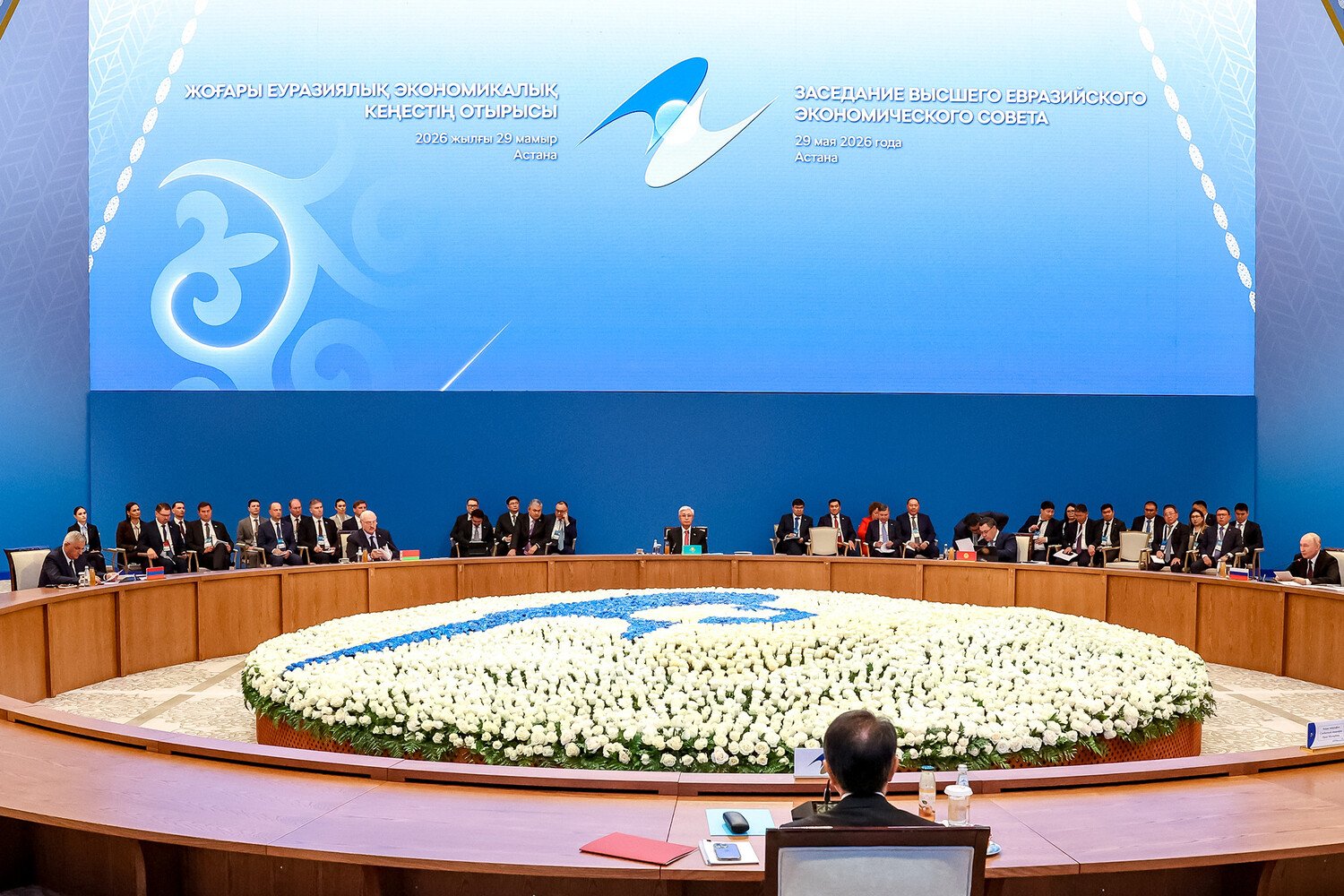
Presidents of Russia, Belarus, Kazakhstan and Kyrgyzstan adopted a joint statement in which they called on Armenia to decide between rapprochement with the European Union and continued participation in the EAEU.
In the document adopted at the EAEU summit in Astana on May 29 and published on the Kremlin website, it is said that possible preparations for Armenia’s accession to the EU could create “serious risks for the economic security” of the Eurasian Economic Union.
“We share the position on the need to hold a national referendum in the Republic of Armenia as soon as possible on whether to join the European Union or continue to be part of the Eurasian Economic Union,” the statement says.
The EAEU countries expect that a special report will be prepared by December on the possible consequences for Armenia if its participation in the Union is suspended.
Previously the Parliament of Armenia adopted a law on the beginning of the country’s accession to the European Union. Prime Minister of Armenia Nikol Pashinyan then stated that the document on the launch of European integration “does not mean Armenia’s membership in the European Union in the literal sense of the word,” emphasizing that a decision on this issue can only be made in a referendum, reminds me of RBC.
Pashinyan has repeatedly emphasized that the issue of Armenia’s exit from the EAEU is not being considered. According to him, Yerevan does not intend to damage relations with Moscow, but will not put Russian interests above national ones.
Russian President Vladimir Putin, in turn, called on Yerevan to decide between the two integration associations, noting that in the case of a course towards the EU, a “soft and intelligent divorce” is possible. The Kremlin believes that as Armenia moves closer to the EU, it may encounter contradictions between European norms and the rules of the EAEU.
The Russian side also warned of possible suspension or denunciation agreements on the supply of natural gas and petroleum products to Armenia if the course towards joining the EU continues. Against this background, restrictions were introduced on the supply of a number of goods from Armenia, including agricultural products, flowers and alcohol.