Starbucks Korea is facing one of the biggest crises in its history after a marketing campaign triggered accusations that it mocked South Korea’s historic democratization movements and victims of state violence.
The controversy has sparked nationwide backlash, executive dismissals, police complaints and renewed scrutiny over the ownership structure between Emart, a core retail unit of Shinsegae Group, and Starbucks’ US headquarters.
- May 18: Starbucks Korea launches a promotional campaign for its “Tank” tumblers, using phrases like “Tank Day” and “Slam on the desk.”
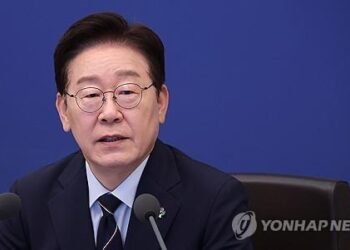
- May 18: Criticism erupts among online communities as the phrases were interpreted as evoking military suppression by the military government in the 1980s. “Tank Day” evoked the military tanks used during the May 18 Gwangju Democratic Uprising, while “Slam on the desk” reminded of the dictatorship-era’s attempt to cover up the torture death of student activist Park Jong-chul in 1987. Starbucks Korea pulled the campaign quickly and fired CEO Seon Jeong-hyun. President Lee Jae Myung chastized the marketing.
- May 19: Shinsegae Group Chair Chung Yong-jin issues an apology. Starbucks’ US headquarters also releases an apology, calling the promotion an “unacceptable marketing incident.”
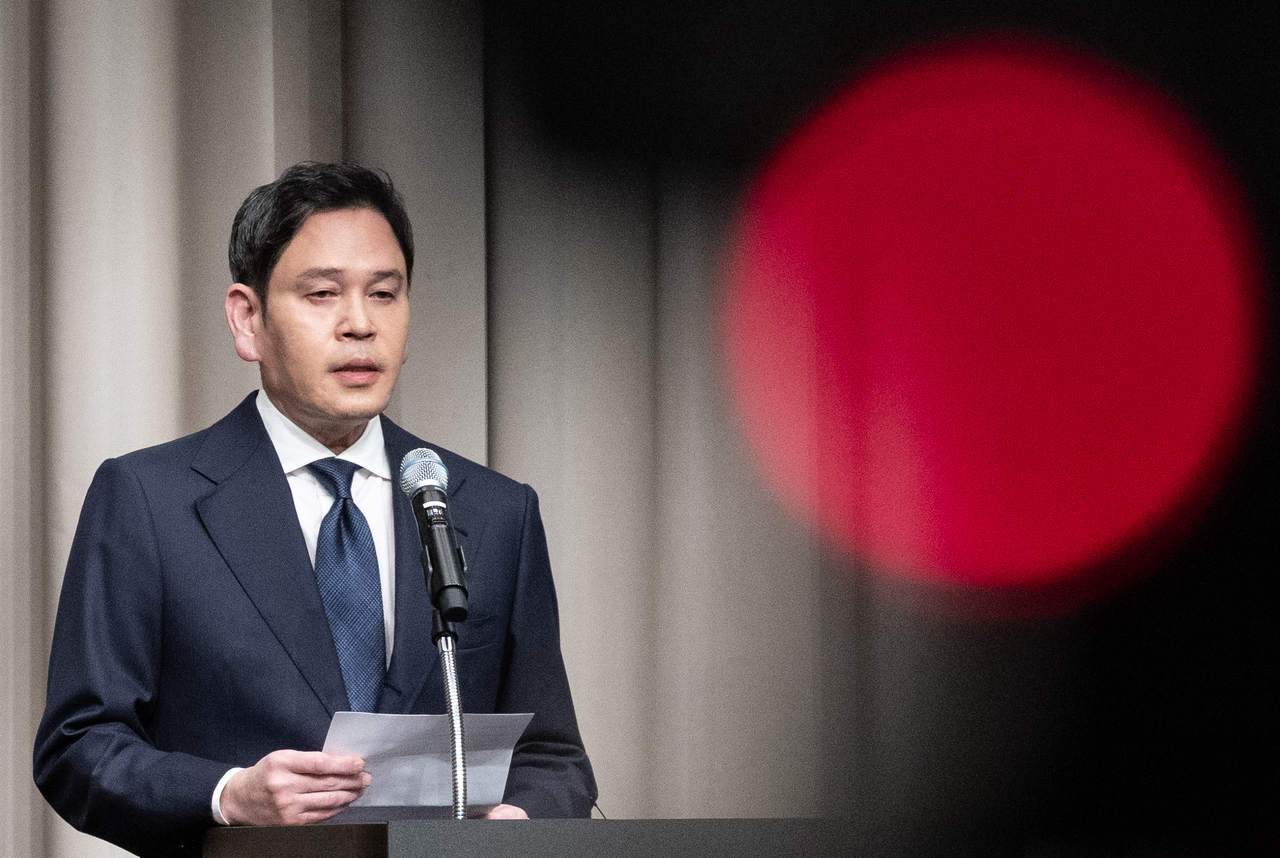
- May 26: Chung bows in apology during a press conference, pledging to take full responsibility for the controversy. Shinsegae announces that it found no definitive evidence proving the marketing proposal had been made with the intention of referencing the democratic movements.
How did “Tank Day” marketing get approved?
- Starbucks Korea’s commerce team proposed the marketing campaign. It passed through its team leader, manager, division leader and CEO. No one objected to its approval.
- Commerce team employees who came up with the phrases say they were attempting wordplay with similar-sounding phrases, that artificial intelligence tools were used for marketing ideas, and that they did not think the phrases would cause trouble.
- Some executives did not even open the attached campaign images during review. The legal team skipped review due to the urgency of launching the campaign.
- Civic groups filed police complaints against Chung and Starbucks Korea’s former CEO on allegations including defamation of the May 18 Gwangju Democratic Uprising.
- Consumers are uploading videos destroying Starbucks’ tumblers and merchandise as boycotts spread.
- Shinsegae vows to fully cooperate with the police investigation, pledging to hold those involved in the incident accountable if found guilty.
- Starbucks Korea will allow customers with prepaid cards to receive full refunds regardless of the amount from June 1 to 14 amid public backlash.
- Starbucks Korea is a key profit source for Emart, which holds a 67.5 percent stake in it.
- Starbucks Korea logged record sales of 3.24 trillion won ($2.16 billion) and an operating profit of 173 billion won in 2025.
- Under the licensing agreement between Emart and Starbucks Coffee International, Starbucks can repurchase Emart’s 67.5 percent stake at a 35 percent discount to a mutually agreed, fair valuation if the marketing incident is deemed as Emart’s liability to terminate the contract.