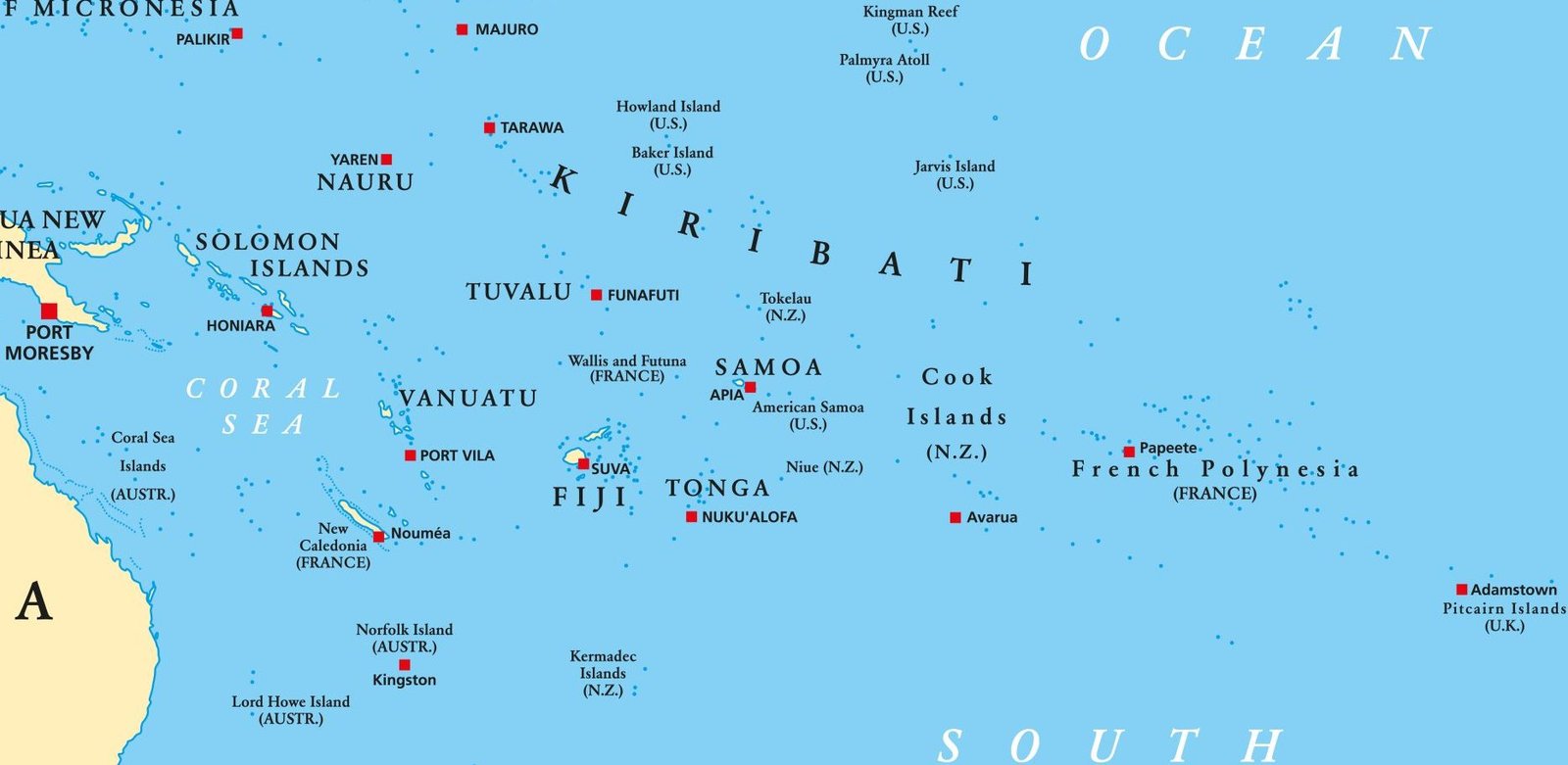
The United Nations has warned that for Pacific Island countries, the Middle East crisis is already showing up in higher fuel prices, electricity uncertainty and fears that communities sitting at the far end of global supply chains could be pushed into deeper economic insecurity.
Energy and supply chain pressure on Pacific island states
According to a senior UN Development Programme (UNDP) official, these island nations are effectively at the end of the supply chain, meaning shocks in global fuel and freight markets quickly translate into higher costs, service instability, and shortages in places that are already highly import-dependent and geographically isolated.
We are at the end of the supply chain so this energy crisis is really impacting our communities
… Tuya Altangerel, a senior UN Development Programme (UNDP) official in the Pacific region, told UN News.
Risks from global shipping chokepoints
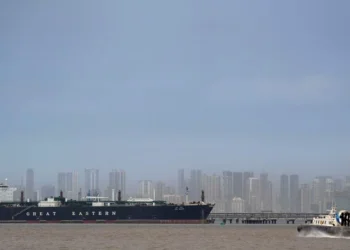
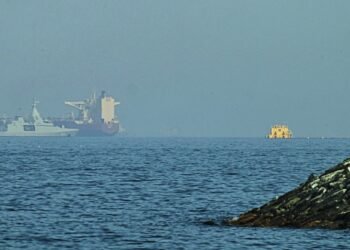
A key risk driver is instability around global shipping chokepoints such as the Strait of Hormuz, which carries around 20% of global seaborne oil and gas trade. Any disruption there can push up global oil prices, bunker fuel costs, and freight rates. These impacts are then transmitted through Asia-Pacific supply chains to remote islands in the Pacific.
Weak connectivity and high import costs
The region is especially vulnerable because of weak shipping connectivity and heavy dependence on imports. Maritime transport is essential, but many island states have few direct shipping routes and rely on transshipment, which raises costs. Some countries receive only 40 to 50 container ship visits per year, and Pacific SIDS have historically paid about twice as much for imports as developed countries. This affects essentials like food and fuel, making them more expensive and less stable in supply.
Heavy reliance on imported fuel
Fuel dependence further increases the risk. Transport accounts for about 70% of fuel use in the region, and in some countries reliance on diesel is near total. For example, Tuvalu gets more than 90% of its energy from imported diesel. As a result, even modest global price spikes quickly strain national budgets and household access to electricity and transport.
Government responses across the region
Governments are already responding with emergency measures. Fiji, a key regional hub, has warned against panic buying amid rising fuel prices. Tuvalu has declared a state of emergency, while the Marshall Islands has announced a 90-day economic emergency. Others, including the Solomon Islands, Vanuatu, Palau, Nauru, and Kiribati, are also preparing responses.
Immediate impacts and longer-term risks
The immediate impact is already being felt through fuel shortages, electricity instability, and blackouts in some communities. Officials warn that if energy prices rise further, it could disrupt essential services and long-term resilience projects, including climate adaptation efforts. The concern is that distant geopolitical and supply chain shocks are directly undermining the stability and development of some of the world’s most remote and climate-vulnerable nations.