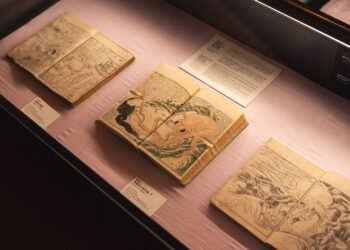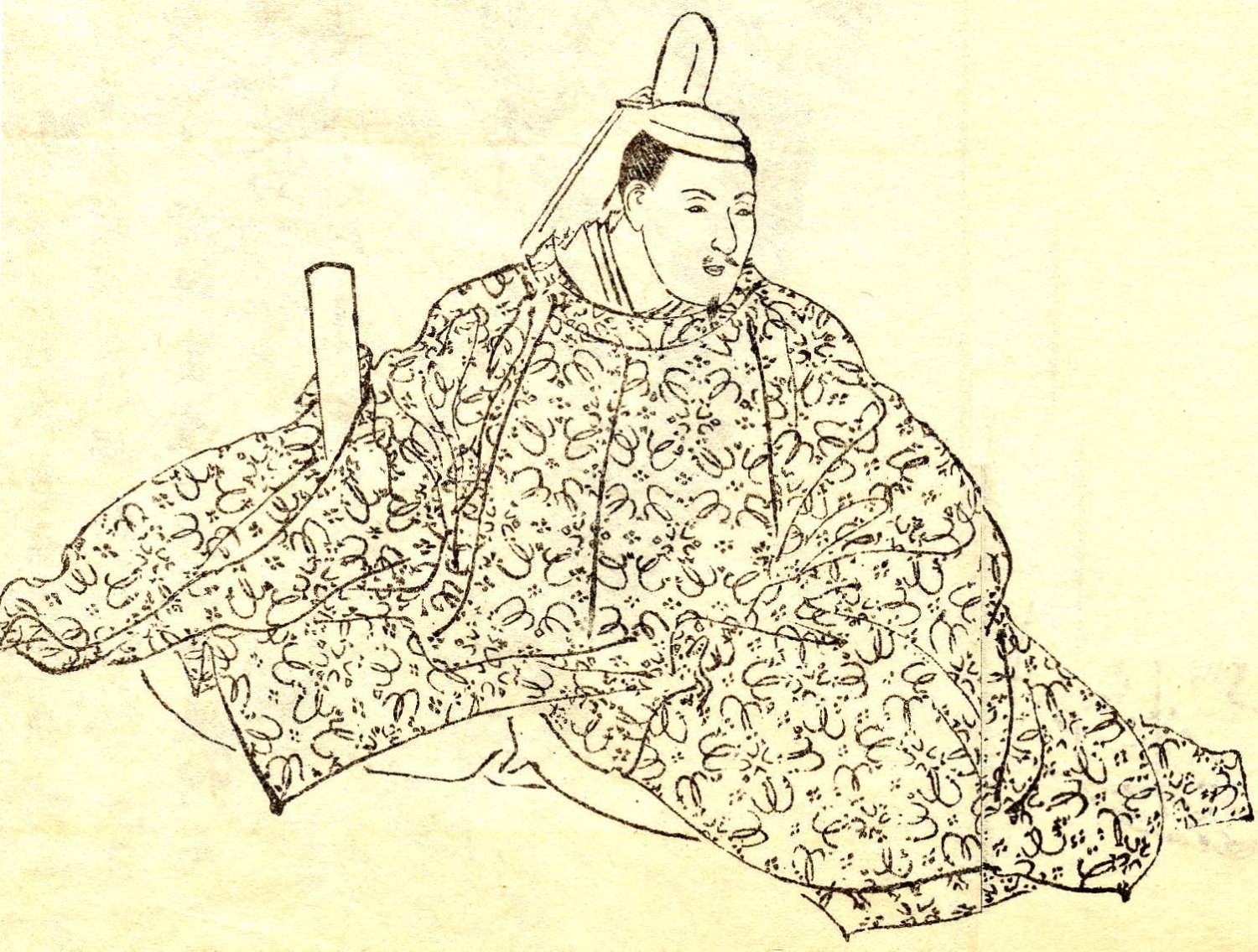
On Feb. 21, 1204, Japanese poet Fujiwara no Teika described in his diary a bizarre phenomenon: the northern Kyoto skies suddenly burning red at night.
Two days later, he observed that the red light had mysteriously appeared again after sunset, which terrified him.
His descriptions of what is now believed to have been a rare occurrence of auroras in low-altitude areas such as Kyoto are helping scientists 800 years later, as they study the mechanisms and frequency of “solar storms” — explosions of particles, energy and magnetic fields blasted out by the sun.