Monday, May 4, 2026
    The GeoStrategic Consensus
    No Result
    View All Result
    • Login
    • HOME
    • AMERICAS
      • Argentina
      • Brazil
      • Canada
      • Chile
      • Colombia
      • Costa Rica
      • Cuba
      • Dominican Republic
      • Ecuador
      • El Salvador
      • Greenland
      • Guatemala
      • Honduras
      • Mexico
      • Nicaragua
      • Panama
      • Paraguay
      • Peru
      • United States
      • Uruguay
      • Venezuela
    • ASIA-PACIFIC
      • Australia
      • Brunei Darussalam
      • Cambodia
      • China
      • Federated States of Micronesia
      • Fiji
      • Indonesia
      • Japan
      • Kiribati
      • Laos
      • Malaysia
      • Marshall Islands
      • Mongolia
      • Myanmar
      • Nauru
      • New Zealand
      • North Korea
      • Palau
      • Papua New Guinea
      • Philippines
      • Samoa
      • Singapore
      • Solomon Islands
      • South Korea
      • Taiwan
      • Thailand
      • Timor-Leste
      • Tonga
      • Tuvalu
      • Vanuatu
      • Vietnam
    • CARICOM
      • CARICOM – Non-English
        • Haiti
        • Suriname
      • CARICOM Associates
        • Anguilla
        • Bermuda
        • British-Virgin-Islands
        • Cayman-Islands
        • Curacao
        • Turks-and-Caicos
      • CARICOM English
        • Antigua and Barbuda
        • Barbados
        • Belize
        • Dominica
        • Grenada
        • Guyana
        • Jamaica
        • Montserrat
        • Saint Kitts and Nevis
        • Saint Lucia
        • Saint Vincent and the Grenadines
        • The Bahamas
        • Trinidad and Tobago
    • EURASIA
      • Armenia
      • Azerbaijan
      • Balarus
      • Georgia
      • Kazakhstan
      • Kyrgyzstan
      • Moldova
      • Russia
      • Tajikistan
      • Turkmenistan
      • Ukraine
      • Uzbekistan
    • EUROPE
      • Albania
      • Andorra
      • Austria
      • Bosnia and Herzegovina
      • Bulgaria
      • Croatia
      • Cyprus
      • Czech Republic
      • Denmark
      • Estonia
      • Finland
      • France
      • Germany
      • Greece
      • Holy See
      • Hungary
      • Iceland
      • Ireland
      • Italy
      • Kosovo
      • Latvia
      • Liechtenstein
      • Lithuania
      • Luxembourg
      • Malta
      • Monaco
      • Montenegro
      • Netherlands
      • North Macedonia
      • Norway
      • Poland
      • Portugal
      • Romania
      • San Marino
      • Serbia
      • Slovakia
      • Slovenia
      • Spain
      • Sweden
      • Switzerland
      • United Kingdom
    • MIDDLE EAST AND NORTH AFRICA
      • Algeria
      • Bahrain
      • Egypt
      • Iran
      • Iraq
      • Israel
      • Jordan
      • Kuwait
      • Lebanon
      • Lybia
      • Morocco
      • Oman
      • Palestinian Territories
      • Qatar
      • Saudi Arabia
      • Syria
      • Tunisia
      • Turkey
      • United Arab Emirates
      • Western Sahara
      • Yemen
    • SOUTH ASIA
      • Afghanistan
      • Bangladesh
      • Bhutan
      • India
      • Maldives
      • Nepal
      • Pakistan
      • Sri Lanka
    • SUB-SAHARAN AFRICA
      • Angola
      • Benin
      • Botswana
      • Burkina Faso
      • Burundi
      • Cabo Verde
      • Cameroon
      • Central African Republic
      • Chad
      • Comoros
      • Cote d’Ivoire
      • Democratic Republic of the Congo
      • Djibouti
      • Equatorial Guinea
      • Eritrea
      • Eswatini
      • Ethiopia
      • Gabon
      • Gambia
      • Ghana
      • Guinea
      • Guinea Bissau
      • Kenya
      • Lesotho
      • Liberia
      • Madagascar
      • Malawi
      • Mali
      • Mauritania
      • Mauritius
      • Mozambique
      • Namibia
      • Niger
      • Nigeria
      • Republic of the Congo
      • Rwanda
      • Sao Tome and Principe
      • Senegal
      • Seychelles
      • Sierra Leone
      • Somalia
      • South Africa
      • South Sudan
      • Sudan
      • Tanzania
      • Togo
      • Uganda
      • Zambia
      • Zimbabwe
    • HOME
    • AMERICAS
      • Argentina
      • Brazil
      • Canada
      • Chile
      • Colombia
      • Costa Rica
      • Cuba
      • Dominican Republic
      • Ecuador
      • El Salvador
      • Greenland
      • Guatemala
      • Honduras
      • Mexico
      • Nicaragua
      • Panama
      • Paraguay
      • Peru
      • United States
      • Uruguay
      • Venezuela
    • ASIA-PACIFIC
      • Australia
      • Brunei Darussalam
      • Cambodia
      • China
      • Federated States of Micronesia
      • Fiji
      • Indonesia
      • Japan
      • Kiribati
      • Laos
      • Malaysia
      • Marshall Islands
      • Mongolia
      • Myanmar
      • Nauru
      • New Zealand
      • North Korea
      • Palau
      • Papua New Guinea
      • Philippines
      • Samoa
      • Singapore
      • Solomon Islands
      • South Korea
      • Taiwan
      • Thailand
      • Timor-Leste
      • Tonga
      • Tuvalu
      • Vanuatu
      • Vietnam
    • CARICOM
      • CARICOM – Non-English
        • Haiti
        • Suriname
      • CARICOM Associates
        • Anguilla
        • Bermuda
        • British-Virgin-Islands
        • Cayman-Islands
        • Curacao
        • Turks-and-Caicos
      • CARICOM English
        • Antigua and Barbuda
        • Barbados
        • Belize
        • Dominica
        • Grenada
        • Guyana
        • Jamaica
        • Montserrat
        • Saint Kitts and Nevis
        • Saint Lucia
        • Saint Vincent and the Grenadines
        • The Bahamas
        • Trinidad and Tobago
    • EURASIA
      • Armenia
      • Azerbaijan
      • Balarus
      • Georgia
      • Kazakhstan
      • Kyrgyzstan
      • Moldova
      • Russia
      • Tajikistan
      • Turkmenistan
      • Ukraine
      • Uzbekistan
    • EUROPE
      • Albania
      • Andorra
      • Austria
      • Bosnia and Herzegovina
      • Bulgaria
      • Croatia
      • Cyprus
      • Czech Republic
      • Denmark
      • Estonia
      • Finland
      • France
      • Germany
      • Greece
      • Holy See
      • Hungary
      • Iceland
      • Ireland
      • Italy
      • Kosovo
      • Latvia
      • Liechtenstein
      • Lithuania
      • Luxembourg
      • Malta
      • Monaco
      • Montenegro
      • Netherlands
      • North Macedonia
      • Norway
      • Poland
      • Portugal
      • Romania
      • San Marino
      • Serbia
      • Slovakia
      • Slovenia
      • Spain
      • Sweden
      • Switzerland
      • United Kingdom
    • MIDDLE EAST AND NORTH AFRICA
      • Algeria
      • Bahrain
      • Egypt
      • Iran
      • Iraq
      • Israel
      • Jordan
      • Kuwait
      • Lebanon
      • Lybia
      • Morocco
      • Oman
      • Palestinian Territories
      • Qatar
      • Saudi Arabia
      • Syria
      • Tunisia
      • Turkey
      • United Arab Emirates
      • Western Sahara
      • Yemen
    • SOUTH ASIA
      • Afghanistan
      • Bangladesh
      • Bhutan
      • India
      • Maldives
      • Nepal
      • Pakistan
      • Sri Lanka
    • SUB-SAHARAN AFRICA
      • Angola
      • Benin
      • Botswana
      • Burkina Faso
      • Burundi
      • Cabo Verde
      • Cameroon
      • Central African Republic
      • Chad
      • Comoros
      • Cote d’Ivoire
      • Democratic Republic of the Congo
      • Djibouti
      • Equatorial Guinea
      • Eritrea
      • Eswatini
      • Ethiopia
      • Gabon
      • Gambia
      • Ghana
      • Guinea
      • Guinea Bissau
      • Kenya
      • Lesotho
      • Liberia
      • Madagascar
      • Malawi
      • Mali
      • Mauritania
      • Mauritius
      • Mozambique
      • Namibia
      • Niger
      • Nigeria
      • Republic of the Congo
      • Rwanda
      • Sao Tome and Principe
      • Senegal
      • Seychelles
      • Sierra Leone
      • Somalia
      • South Africa
      • South Sudan
      • Sudan
      • Tanzania
      • Togo
      • Uganda
      • Zambia
      • Zimbabwe
    No Result
    View All Result
    Agentially
    No Result
    View All Result
    Home AMERICAS Panama

    Coiba reveals a cradle of sharks and opens a new page for Panamanian science

    The Analyst by The Analyst
    April 16, 2026
    in Panama
    Coiba reveals a cradle of sharks and opens a new page for Panamanian science


    In Coiba, science advances like the tides advance: without stridency, but leaving deep marks.

    At first glance, the discovery seems like marine fauna news. A new record. A confirmed species where it did not appear before. But in reality it is much more than that.

    READ ALSO

    Tax on containers to increase retiree pensions generates alarm in the port sector

    Heroism born of disaster: the tragedy of the Polvorín

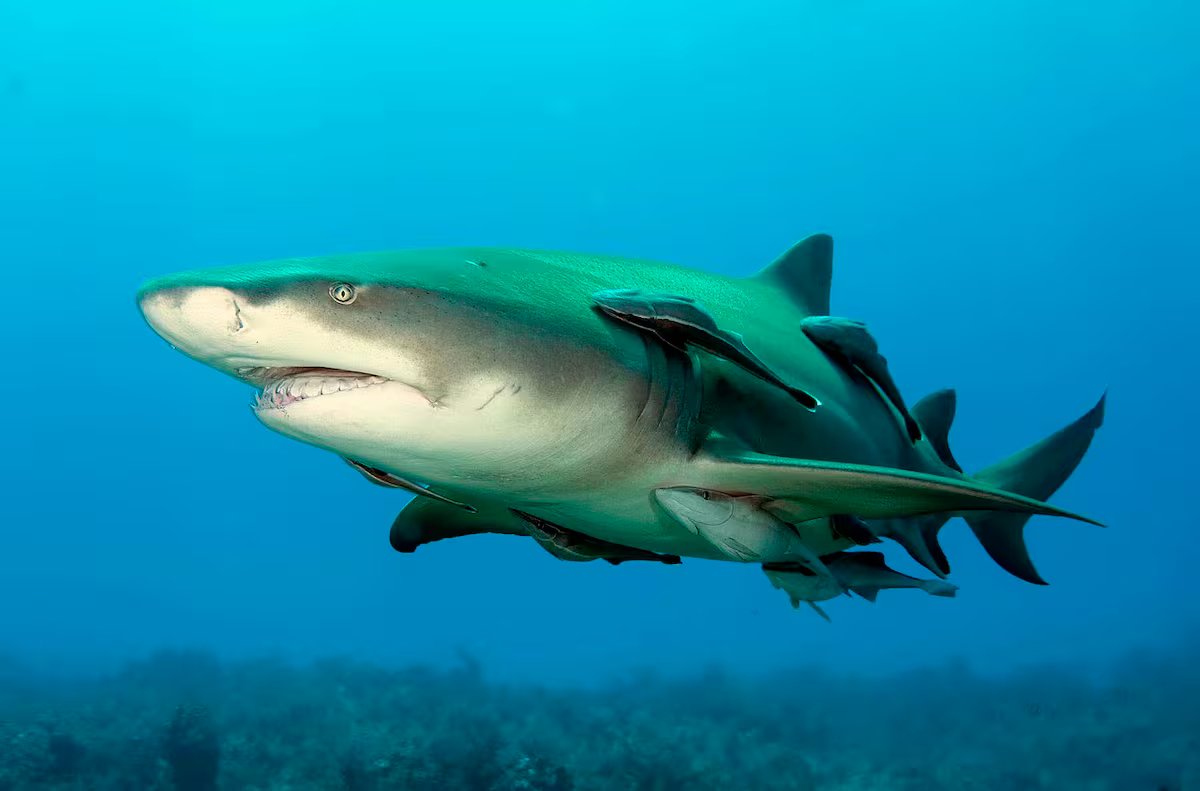
    What a group of Panamanian researchers found in the Boca Grande estuarywithin the Coiba National Parknot only expands the known map of the lemon shark, Negaprion brevirostris; It also reorders a much larger conversation about the health of coastal ecosystems, the strategic value of tropical estuaries, and Panama’s ability to produce high-level science from its own questions, its own laboratories, and its own urgencies.

    The evidence, supported by taxonomic and genetic data, confirms for the first time the presence of the lemon shark in estuarine waters of Coiba. This is not an isolated sighting or a suspicion armed with field intuition. These are six juvenile individuals, captured at different times in 2025 in Boca Grande, whose identity was corroborated by morphological characters and DNA analysis. In other words, the species is not just there: it is there with the severe seal of science. And yet, the most important thing is not just that it is there. What is truly extraordinary is what his presence means.

    Coiba reveals a cradle of sharks and opens a new page for Panamanian science
    The lemon shark is no stranger to Panama. It has been reported in continental areas, and its presence is better known in the Caribbean than in the Pacific. What did not exist until now was a confirmed record for Coiba and, even more so, for island environments in the Panamanian Pacific. It is a new piece to understand the regional distribution of the species.

    A nursery under the mangroves

    Estuaries are often described as transition zones, places where the river gives its pulse to the tide and fresh water learns to coexist with salt. But that definition, although correct, falls short. In reality, estuaries are starter territories. They are nurseries, maternity wards, shelters. They are scenarios where marine life finds shelter in its most vulnerable stages.

    That is what Dr. Edgardo Díaz-Ferguson, executive director of Coiba AIP and leader of the studywhen recounting the origin of this research.

    The project was not born with the idea of ​​finding a “new” species for Coiba, but with a broader and, perhaps therefore, more powerful question: how to measure the environmental quality of Panamanian estuaries using physicochemical, biological and ecological variablesincluding the presence of large predators as an indicator of the good state of the ecosystem.

    On that comparative route, between pristine estuaries of Coiba and intervened estuaries of the continent, Boca Grande began to tell a different story.

    Juvenile sharks appeared there. Not one, but several. And among them, a species that should not be there according to the available inventory: the lemon shark.

    “We saw it and it looks like a lemon to us, but how strange, there is no lemon here,” Díaz-Ferguson says in the interview when remembering that first approach.

    The surprise forced us to do what science does when reality contradicts the file: return to the laboratory, sequence, compare, verify.

    The genetic analysis confirmed that it was, in fact, Negaprion brevirostris. And not from a lost specimen, but from several juveniles found at different times of the year.

    This temporal recurrence allows us to infer that Boca Grande functions as a breeding and breeding area, a space where females arrive, give birth and leave their young in a safe environment, with food and favorable environmental conditions.

    Science has a precise and beautiful expression for this: young of the year. Animals less than a year old, with signs of birth that are still recent, but already fully inserted in the dynamics of the predator. Cubs of the sea, you could say, although the metaphor immediately loses its innocence when we remember that, even as cubs, they are already equipped to hunt.

    The shark as a water thermometer

    For too long, the figure of the shark has been held hostage by fear. Popular culture turned it into a threat rather than a symptom, a shock rather than evidence. But ecology tells another story.

    For Díaz-Ferguson and his team, the presence of top predators or mesopredators in an estuary is not an alarm signal, but a sign of health.

    Where there are sharks, the research essentially says, there is food; where there is food, a functional ecological network persists; Where that network works, environmental quality is sustained.

    That’s why The discovery of the lemon shark in Boca Grande has a value that goes beyond taxonomy: it confirms that this estuary preserves exceptional ecological attributes. Waters with adequate physicochemical conditions, lower bacterial load, well-preserved mangroves, sandy bottoms, shelter and productivity.

    The scientist himself summarizes it with a forceful idea: “predators in general are indicators of health.” And in this case, the indicator could not be more eloquent.

    The lemon shark is a species associated with clear waters, sandy or muddy bottoms and areas bordered by red mangroves.

    Its presence in Boca Grande seems, almost, an ecological certification granted by nature itself. A living verdict. A species saying, without words, that that site still offers the necessary conditions for reproduction and survival.

    It is not a minor detail. In a country where a good part of the continental estuaries faces increasing pressures from pollution, mangrove loss, sedimentation and urban expansion, Coiba emerges not only as a biodiversity sanctuary, but as a baseline. The point of comparison. The clean mirror where Panama can see itself to understand how much it has lost and how much it can still save.

    Coiba reveals a cradle of sharks and opens a new page for Panamanian science
    Edgardo Díaz-Ferguson explains that the project aims to study diversity, connectivity and environmental quality of estuaries as a basis for this national strategy. This discovery about the lemon shark is one of its first visible fruits. But it won’t be the last.

    A discovery that changes the map of the Panamanian Pacific

    The lemon shark is no stranger to Panama. It has been reported in continental areas, and its presence is better known in the Caribbean than in the Pacific. What did not exist until now was a confirmed record for Coiba and, even more so, for island environments in the Panamanian Pacific under this level of genetic and taxonomic validation.

    Therein lies the significance of the discovery. It’s not just an addition to the park’s inventory. It is a new piece to understand the regional distribution of the species and its possible connectivity patterns.

    The research opens decisive questions. Is it a small and relatively isolated local population? Is Panama a source of individuals that later disperse to other areas of the eastern Pacific? Do females return to the same place to give birth, following patterns of philopatry, as has been documented in other regions? Could Coiba be providing individuals to neighboring populations in Costa Rica or Colombia?

    There are no definitive answers yet. But the basis already exists to formulate them rigorously. The team plans to continue monitoring, tagging individuals, and expanding comparative genetic analysis to piece together that regional mobility puzzle. The news, then, does not end with the discovery. He just inaugurated it.

    Panamanian science, science with a thread, science without a parachute

    There is another level to this story that deserves to be told with the same seriousness as the biological discovery. This is not only an important result for marine conservation. It is also a statement about the type of science that Panama can and should produce.

    Díaz-Ferguson puts it bluntly: For decades, much of the theory with which tropical estuaries have been studied comes from temperate systems, from places like the Chesapeake or the Mediterranean. But the tropics have other dynamics, other scales, other pressures and other ecological logics. Understanding them requires situated knowledge, persistent research, and institutional continuity. It also demands breaking with the call parachuting sciencethat practice in which external researchers arrive, extract data and leave, leaving little local roots and little capacity building.

    In that sense, this work embodies something deeper than a scientific publication in the making. It is part of a long-term commitment to build a national estuary conservation strategy from Panama, with Panamanian scientists, with sustained field work and with an agenda that is not limited to describing what exists, but seeks to offer tools to recover what has been degraded and protect what is intact.

    The project, as the researcher explains, aims to study diversity, connectivity and environmental quality of estuaries as a basis for this national strategy. This discovery about the lemon shark is one of its first visible fruits. But it won’t be the last.

    What emerges here is a more ambitious vision: turning Panama into a regional reference for the diagnosis and theory of tropical estuaries. Not as a slogan, but as a scientific program. Not as a promise, but as accumulated work.
    Coiba reveals a cradle of sharks and opens a new page for Panamanian science
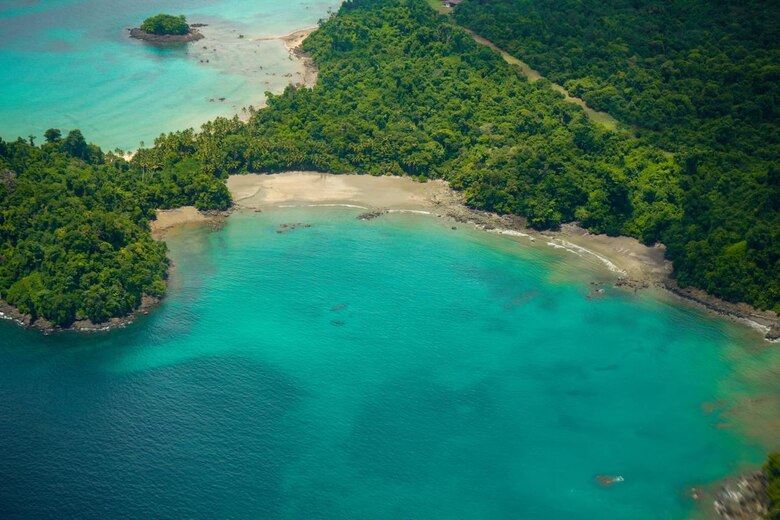
    The Coiba National Park is made up of 27 thousand hectares. Courtesy

    Coiba as a refuge and as an argument

    For years, Coiba has held a privileged place in the country’s environmental imagination. National park, natural heritage, biodiversity laboratory, jewel of the Panamanian Pacific. But each new discovery adds a layer to that identity. This time, the layer is particularly sensitive.

    Because talking about sharks is not easy. The public’s automatic reaction usually oscillates between fascination and fear. Therefore, any responsible narrative must move away from sensationalism. The finding does not authorize a threat reading. Quite the opposite. What it reveals is that Coiba continues to offer refuge to species that need ecological stability to complete critical stages of their life.

    That has concrete management consequences. The scientific team considers that the information can strengthen conservation actions within the park, including the formal incorporation of the species to the biological inventory of Coiba and the possibility of moving towards specific protection figures for areas such as Boca Grande, conceived as shark sanctuaries. The idea is not to turn the discovery into a postcard, but into an instrument of public policy and environmental education.

    The image, however, is powerful: an estuary under mangroves, on an island in the Panamanian Pacific, serving as the birthing room of the sea. A silent cradle for predators whose very existence helps sustain ecological balance. A maternity without walls, where the health of the water, the shelter of the mangrove and the abundance of prey align to allow life to begin.

    What the lemon came to say

    There are species that enter an ecosystem as inhabitants. And there are others that enter as a message. The lemon shark, in Coiba, looks like both.

    He went so far as to say that Boca Grande still preserves the ecological fineness that many areas of the continent have lost. He came to remember that estuaries are not secondary edges of the territory, but essential gears of marine life. He went on to demonstrate that science, when done with patience and method, not only discovers species: it discovers meanings. And he also came to remind the country that conservation cannot rest only on amazement, but on informed decisions, constant monitoring and institutional support.

    Perhaps that is why this find has a rare beauty. Not the loud beauty of the spectacle, but the exact beauty of what reveals a truth larger than itself. The lemon shark did not appear in Coiba to add a line to a list. He appeared to say that beneath the surface there are still fertile secrets, and that Panama has scientists capable of listening to them. And when an estuary speaks, you should pay attention.

    Yelena Rodríguez is a journalist specialized in sustainable development.



    Source link

    Related Posts

    Tax on containers to increase retiree pensions generates alarm in the port sector
    Panama

    Tax on containers to increase retiree pensions generates alarm in the port sector

    May 4, 2026
    Heroism born of disaster: the tragedy of the Polvorín
    Panama

    Heroism born of disaster: the tragedy of the Polvorín

    May 4, 2026
    China accepts judicial procedure for port conflict and seeks to reduce tension with Panama
    Panama

    China accepts judicial procedure for port conflict and seeks to reduce tension with Panama

    May 4, 2026
    Government proposes tax on multinationals without economic substance
    Panama

    Government proposes tax on multinationals without economic substance

    May 4, 2026
    The humpback whale that was stranded on the German coast is transported to the open sea
    Panama

    The humpback whale that was stranded on the German coast is transported to the open sea

    May 3, 2026
    The new crisis between Washington and Havana escalates with threats and sanctions
    Panama

    The new crisis between Washington and Havana escalates with threats and sanctions

    May 3, 2026
    Next Post
    15 days of salary are deducted from 12 Libre deputies due to riots in Congress

    15 days of salary are deducted from 12 Libre deputies due to riots in Congress

    POPULAR NEWS

    Justin Bieber fans flood Coachella festival for headlining show – Entertainment

    Justin Bieber fans flood Coachella festival for headlining show – Entertainment

    April 20, 2026

    Over 600 flee homes as Army, NPA clash in Negros Occidental

    April 21, 2026

    Ex-DPWH exec recalls P800-M ‘delivery’ to Zaldy Co 

    April 20, 2026

    Former PM Paluckas suspends party membership, to waive immunity over criminal probe

    April 24, 2026
    Pres. Ali challenges CARICOM to transform into health research powerhouse

    Pres. Ali challenges CARICOM to transform into health research powerhouse

    April 23, 2026

    EDITOR'S PICK

    Al-Quds newspaper

    Al-Quds newspaper

    May 2, 2026
    The Lebanese army seized 5 stolen cars in Baalbek

    The Lebanese army seized 5 stolen cars in Baalbek

    May 3, 2026
    A hidden romance, his rivalry with Shannen Doherty and the lack of passion with Jason Priestley

    A hidden romance, his rivalry with Shannen Doherty and the lack of passion with Jason Priestley

    April 11, 2026
    Attacker sought to kill Trump, many top officials: Leavitt

    Attacker sought to kill Trump, many top officials: Leavitt

    April 26, 2026

    Recent Posts

    • Ice cream without guilt: Made with one ingredient and ready in 10 minutes
    • A 38-year-old farmer died under a forklift
    • Ranking Culinary compass: where are the best fish restaurants in Slovenia
    • The largest in its history.. “Etoza” launches 30 new lines

      © 2026 Agentially - Navigating shifting sovereignties and global risk .

      Welcome Back!

      Login to your account below

      Forgotten Password?

      Retrieve your password

      Please enter your username or email address to reset your password.

      Log In
      No Result
      View All Result

        © 2026 Agentially - Navigating shifting sovereignties and global risk .

        This website uses cookies. By continuing to use this website you are giving consent to cookies being used. Visit our Privacy and Cookie Policy.