The Fiscal Innocence Law shook the economic criminal jurisdiction. 81% of criminal cases that were processed in Justice for having committed a crime under the criminal tax regime They benefited from the sanction of the new regulations promoted by the Government, which increased and made more flexible the amounts for evasion, the improper withholding of social security contributions and that carried out for taxes, among other crimes.
In detail, The reform of the criminal tax regime impacted a total of 6,750 cases that were in process as of the date of the enactment of Law 27,799, which came into force on January 2 of this year. Within that universe, There were 5,445 files – 81% of them – that recorded amounts that did not exceed the new punishable conditionsas detailed in the management report of the Chief of Staff, Manuel Adorni, prepared on the basis of information from the Ministry of Economy.
The underlying explanation has to do with inflation. Until before the enactment of the Tax Innocence Law, the crime of simple evasion was set at $1.5 million, per tax and per year. It was a A figure that has remained frozen since 2017, when until now there was an increase in the Consumer Price Index (CPI) of 8,501%. Now, that threshold has been moved to $100 million, while starting in January 2027 the amounts will be adjusted by UVA, a unit of measurement that follows inflation.
The same thing happened with other crimes. In the case of aggravated evasion, The limit was raised from the $15 million that applied until that moment to $1,000 million. Due to improper withholding of social security contributions, the increase was from $100,000 per month to $3.5 million per month. And in the case of the crime of improper withholding of taxes, it went from $100,000 per month to $10 million per month. Faced with these strong increases, the cases that were in Justice were retroactively benefited by a more benign criminal law.
“81% of the cases were below the new threshold of punishment. This means that for years the State criminally persecuted taxpayers for amounts that today the law itself considers insignificant. Both ARCA and the Judiciary consumed resources – human, budgetary, time – in cases that should never have reached the criminal court,” said Diego Fraga, tax lawyer and partner at Expansion Holding.
For the specialist, the cost of investigating, processing and litigating a criminal tax case “far exceeds” the amount evaded in the majority of the 5,445 cases that benefited. This, as he explained, caused the State to spend more on “persecution” than the money to be recovered.
“Prosecuting low amounts criminally distorts the system: it criminalizes non-compliance that should be resolved at the administrative level with fines, not with criminal cases,” he concluded.
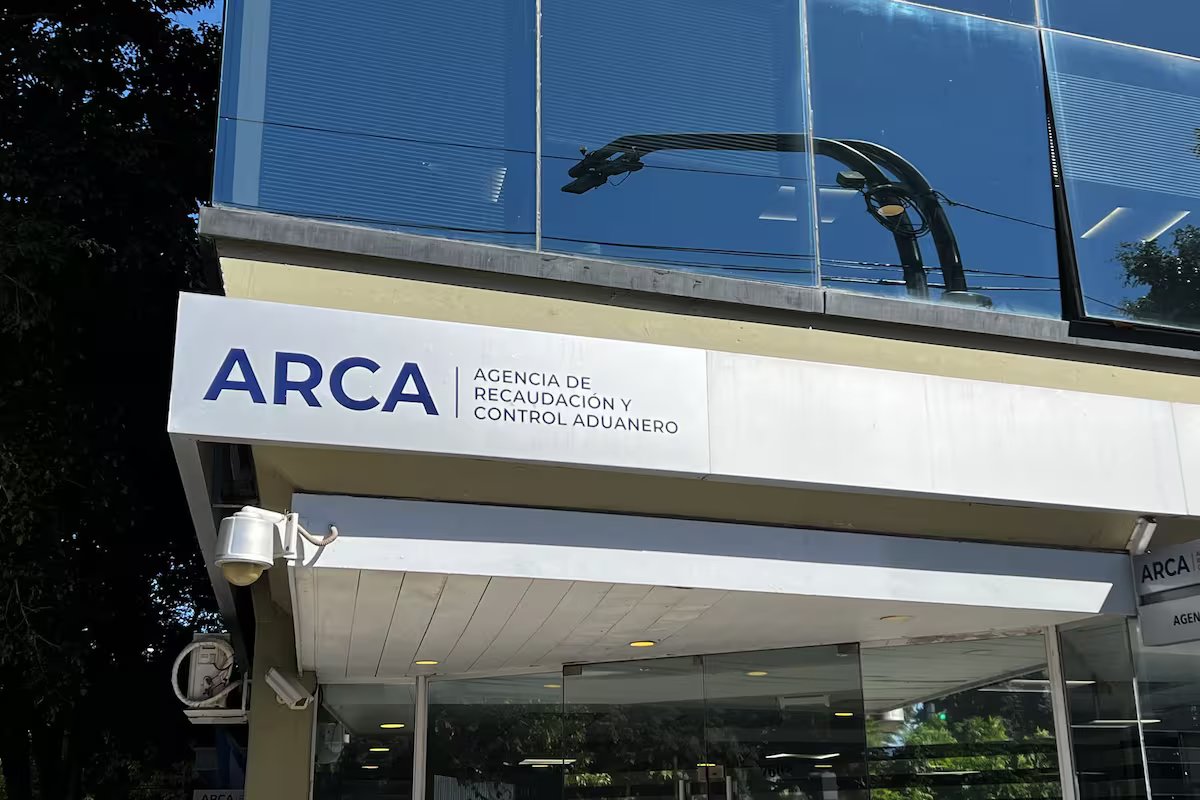
For all cases that benefited from the new Law, General Instruction 01/26 of the Customs Collection and Control Agency (ARCA) was applicable. which provided that the cases should not be promoted because they were below the thresholds. There were also cases in which defense lawyers presented a brief to request that a more lenient criminal law be applied, or it was the judges themselves who acted ex officio and closed the files for this reason.
“Even the judges who had a case pending, and it was below the new thresholds, already applied the most benign criminal law. In rulings like that of ‘Palero’ or ‘Vidal’, cases so substantially analogous, The Supreme Court had ruled and said that the increase in amounts applied retroactively to the old amounts. This causes all the cases to fall,” added Enrique Condorelli, lawyer specializing in economic criminal law and collaborator of MR Consultores.
The case of Lázaro Baéz resonated. The Oral Economic Court No. 3 partially dismissed for applying the benefit of the Tax Innocence Law, since Austral Construcciones was required to pay VAT and Profits for the periods 2010, 2011, 2012, 2013 and 2014. Only in one of those years was the $100 million floor provided for in the new legislation exceeded.
“The thresholds of the criminal tax law were set in nominal pesos, and accumulated inflation liquefied them to the point of making the system irrational: At the time they were great evasions; Today, nominal measures against the updated threshold remain below. The same thing happens with minimum Personal Assets, Earnings scales, monotax ceilings, fines, formal sanctions, the entire Argentine tax system suffers from the same pathology. In the Lázaro case and similar cases, old tax charges could benefit from this effect, although the money laundering cases seem to continue their separate course,” Fraga explained.
For Condorelli, as a result of the threshold correction that was made, the “crime remains unpunished.” In this case, Lázaro Baéz will be tried for other crimes, for which he is currently in prison. However, from now on the thresholds will be adjusted for inflation and that changes the rules of the game going forward. “It was amended by law. Starting in January 2027, it will adjust for UVA, both formal fines – such as not submitting sworn returns when due – and for tax crimes,” he concluded.