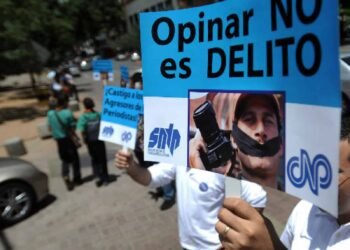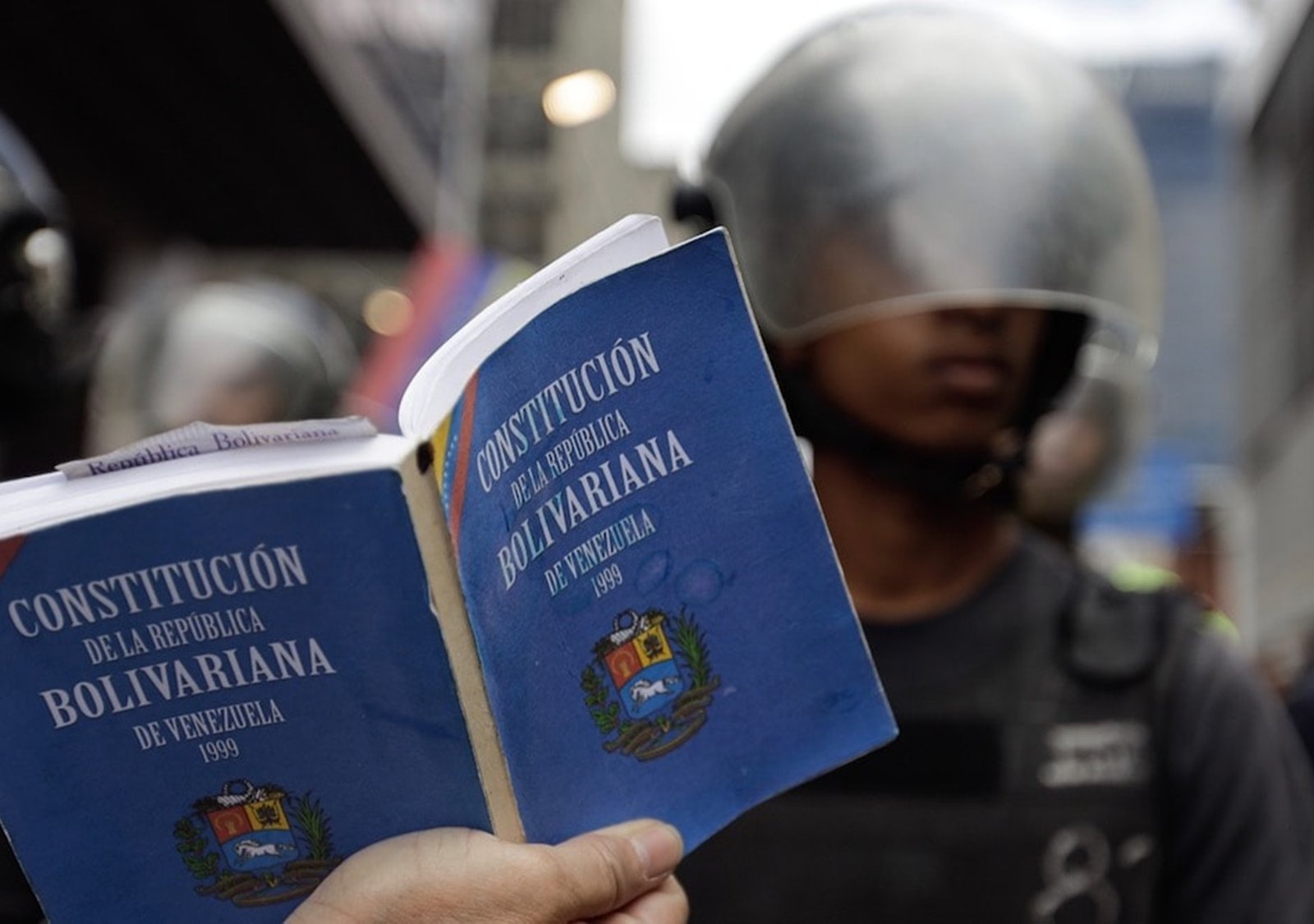
The violations of freedom of expression in Venezuela They continued during the first quarter of 2026, with a total of 75 breaches documented between January and March, according to a report from the NGO Espacio Público.
According to the balance sheet, in that period 30 cases and 27 arrests were registered linked to the exercise of the right to express oneself, which reflects the persistence of restrictions despite the context of releases after the entry into force of the Amnesty Law at the end of February.
Who were the main victims?
In March alone, seven violations were recorded, among which stood out two cases of censorship and two deaths of journalists. The main victims were reporters, media outlets and citizens, while those responsible included state agencies, security forces and officials.
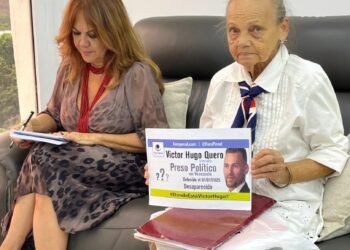
The report also warns of failures in the implementation of the Amnesty Law, who turned one month old on March 26. Although official figures indicate that 8,082 people have received full freedoms out of a total of 11,432 valid requests, the organization reports irregularities such as selective application and complaints of extortion of family members.
In the case of the press, At least 15 workers are still waiting for a response to their requests. Others have been excluded from the benefit, which keeps journalists released under precautionary measures and open processes.
The journalist Carlos Julio Rojas denounced delays in the processing of his case before the Caracas courts, despite the fact that the law establishes a period of 15 days to respond.
During March, two journalist deaths were also recorded. Walter Alexander Jaimes He was found dead in the state of Mérida, after disappearing after going out for cover. Days later, the National College of Journalists reported the death of Yolimar Hidalgo in his home in Aragua.
Public Space demanded from the authorities investigate both cases and punish those responsible.
The report includes complaints about the blocking of more than 200 websites in the country, including news portals, VPNs and social networks.
Civil organizations requested the National Telecommunications Commission to lift these restrictions, without obtaining a response from the authorities.
It was also documented the robbery at the headquarters of Radio Fe y Alegría in Guárico, that affected its operation, and questions about the lack of official information on the yellow fever situation.
At the international level, Espacio Público and the UCAB Human Rights Center alerted the Inter-American Commission on Human Rights about a pattern of harassment and censorship against the independent press in Venezuela.
The UN High Commissioner for Human Rights, Volker Türk, urged the State to guarantee the work of journalists and civil organizations, as well as expanding civic space.