Over the years, Hong Kong has become a global culinary powerhouse. The destination is now home to Asia’s No.1 restaurant – The Chairman – as well as the No. 2 restaurant in the continent, Wing, based on this year’s Asia’s 50 Best Restaurants list.
Despite this lustrous sheen, Hong Kong also hosts a wide range of street food, mid-range restaurants and everything in between. From traditional Cantonese dim sum to roast duck and egg tarts – this is a city where you’ll never go hungry.
These are a selection of fine-dining haunts and mid-range restaurants to whet your appetite for that next trip to Hong Kong.
1. Wing
It is notoriously difficult to get reservations here on a whim (be prepared to book a few months in advance) but this difficulty is a given, considering that Wing is currently ranked Asia’s second- best restaurant on the Asia’s 50 Best Restaurants 2026 list.
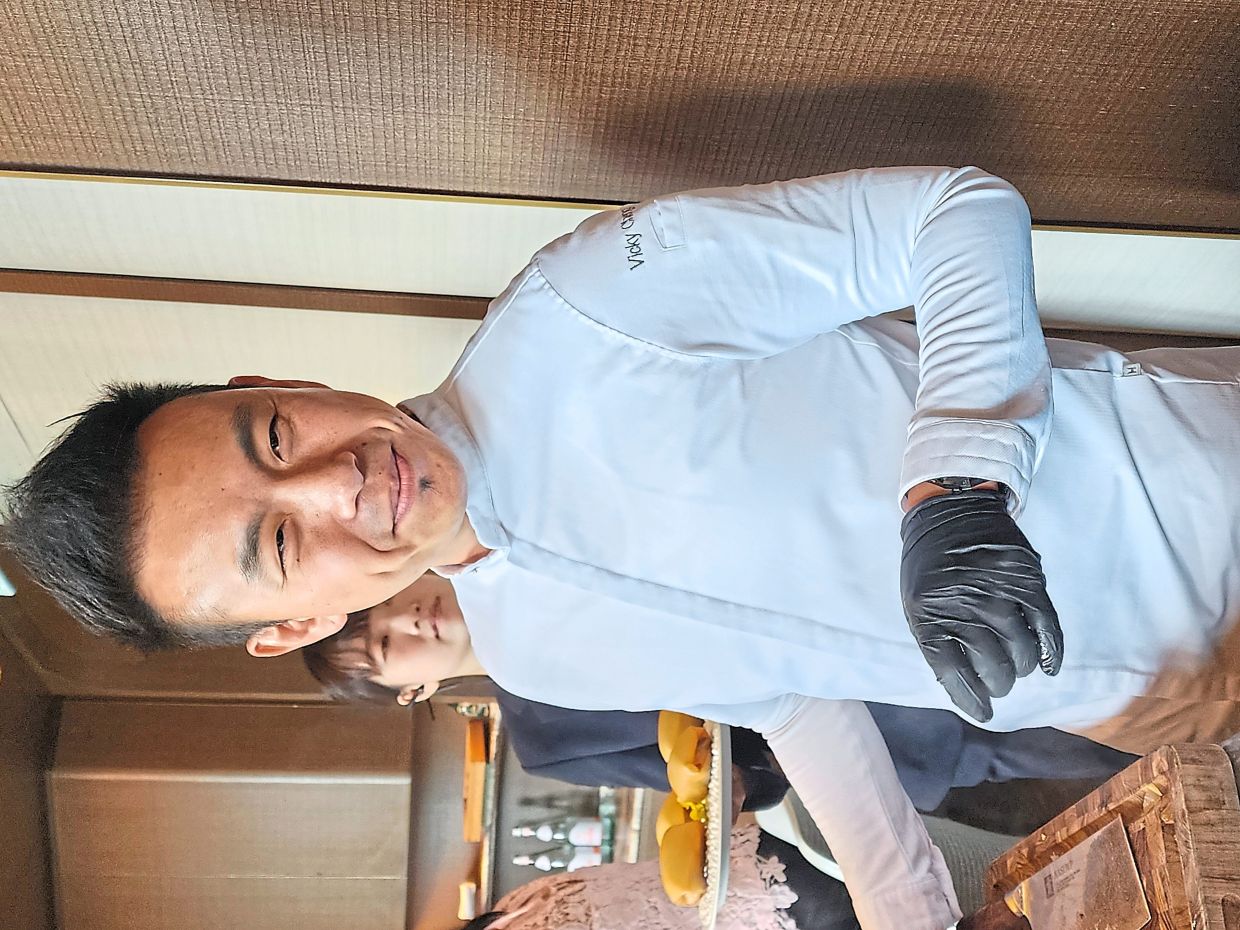
Helmed by indomitable, hugely talented chef Vicky Cheng, Wing is a masterclass in boundary-less Chinese cuisine. Cheng himself is a child of the diaspora, having grown up in Canada where he received classic French culinary training before eventually relocating to Hong Kong.
As a result, his food is buoyed by a sense of freedom and liberation that defines his third culture odyssey and lack of formal Chinese culinary pedigree. And yet, it is also simultaneously tethered and grounded by his Chinese identity.
It is this curious combination of two worlds that has resulted in some of the most innovative, interesting Hong Kong cuisine you are likely to experience. There is no blueprint for what Cheng is doing, which means it is both one-of-a-kind and impossible to replicate.
“All of our dishes are rooted in the familiar flavours of the classic dishes from China’s eight major cuisines. No matter how innovative our creations become, the soul and essence of the original flavours always remain Chinese.
“Through the perspective of a chef that never learn how to cook Chinese cuisine formally, I aim to blend the strengths of what I’ve learnt in the pass with Chinese cuisine, elevating its unique qualities and allowing them to shine in ways never seen before,” says Cheng.
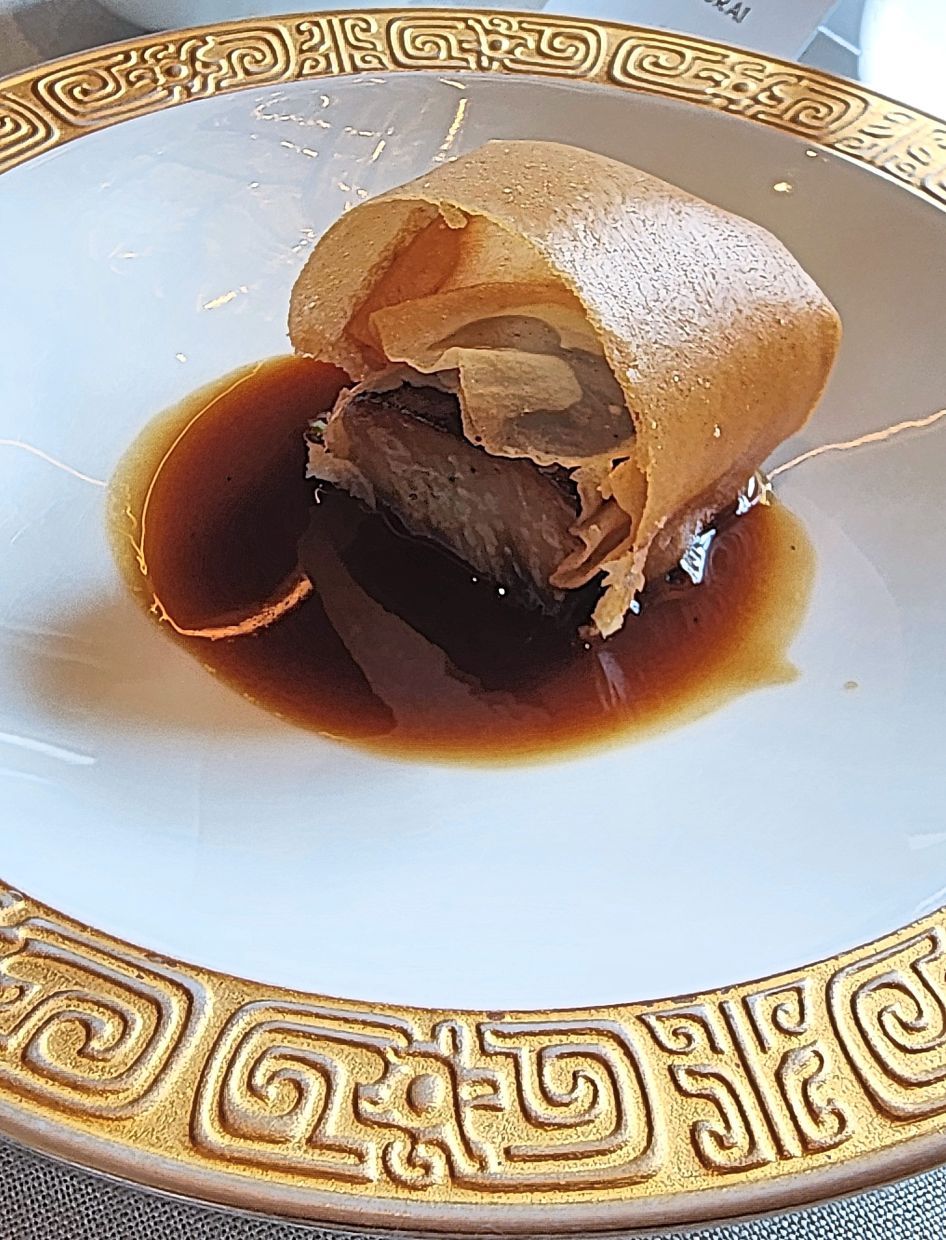
Highlights from the menu include Cheng’s famed sea cucumber spring roll, which uses a cooking technique meant to give the sea cucumber the slippery unctuousness of pork fat.
“In Chinese cuisine, sea cucumber is our caviar and truffle. So what we’re trying to do is take ingredients like sea cucumber – perhaps ones that aren’t so easy to understand but are important to our culture – and make it a little bit more international,” says Cheng.
The sea cucumber roll is outstanding – the aquatic animal cooked to a science and subdued until its structural DNA resembles deeply flavourful, oleaginous, bulbous jelly. The syrupy sauce that coats the sea cucumber is rich with a collagen-esque thickness and the spring roll is brittle and so crispy, it satisfies all ASMR fantasies.
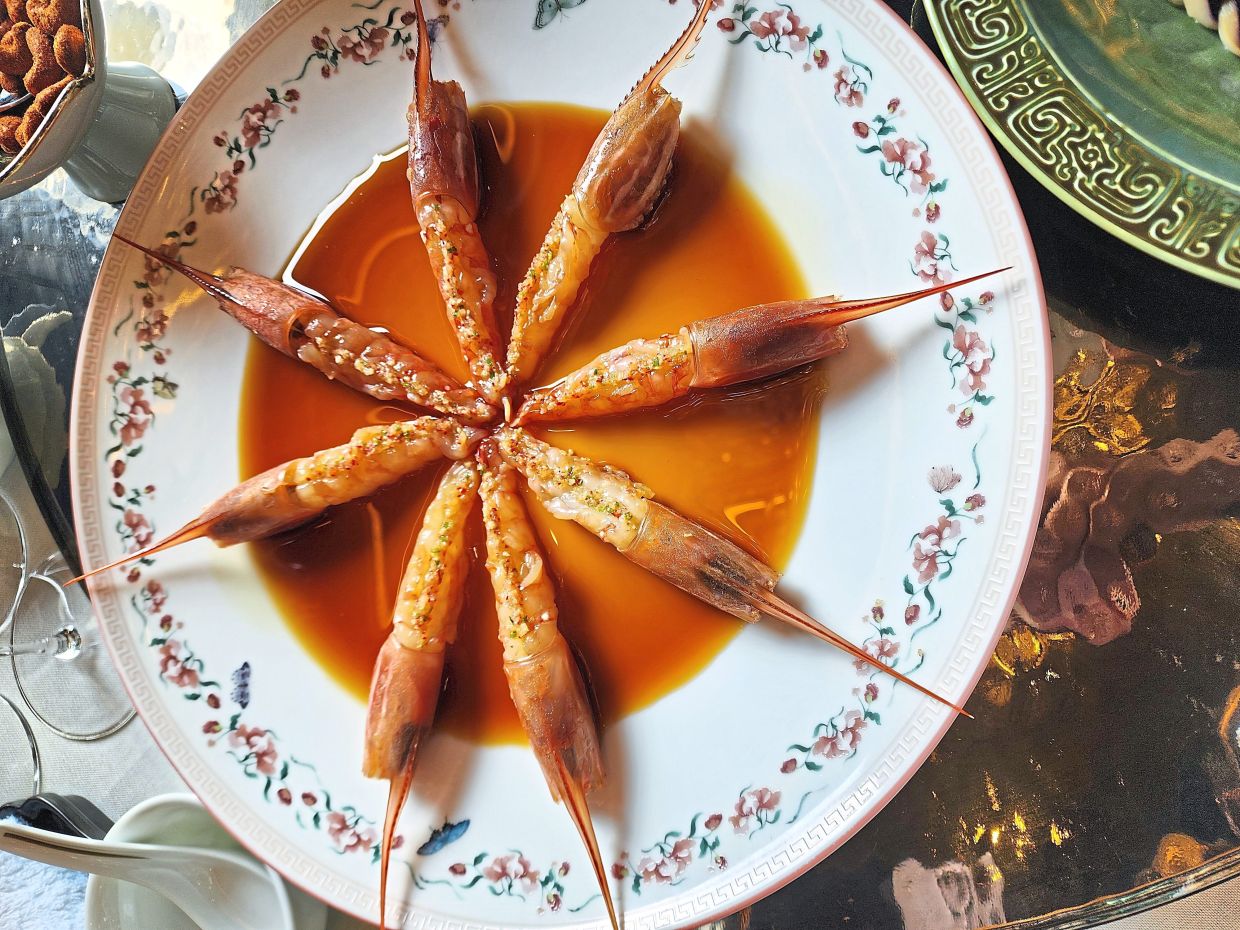
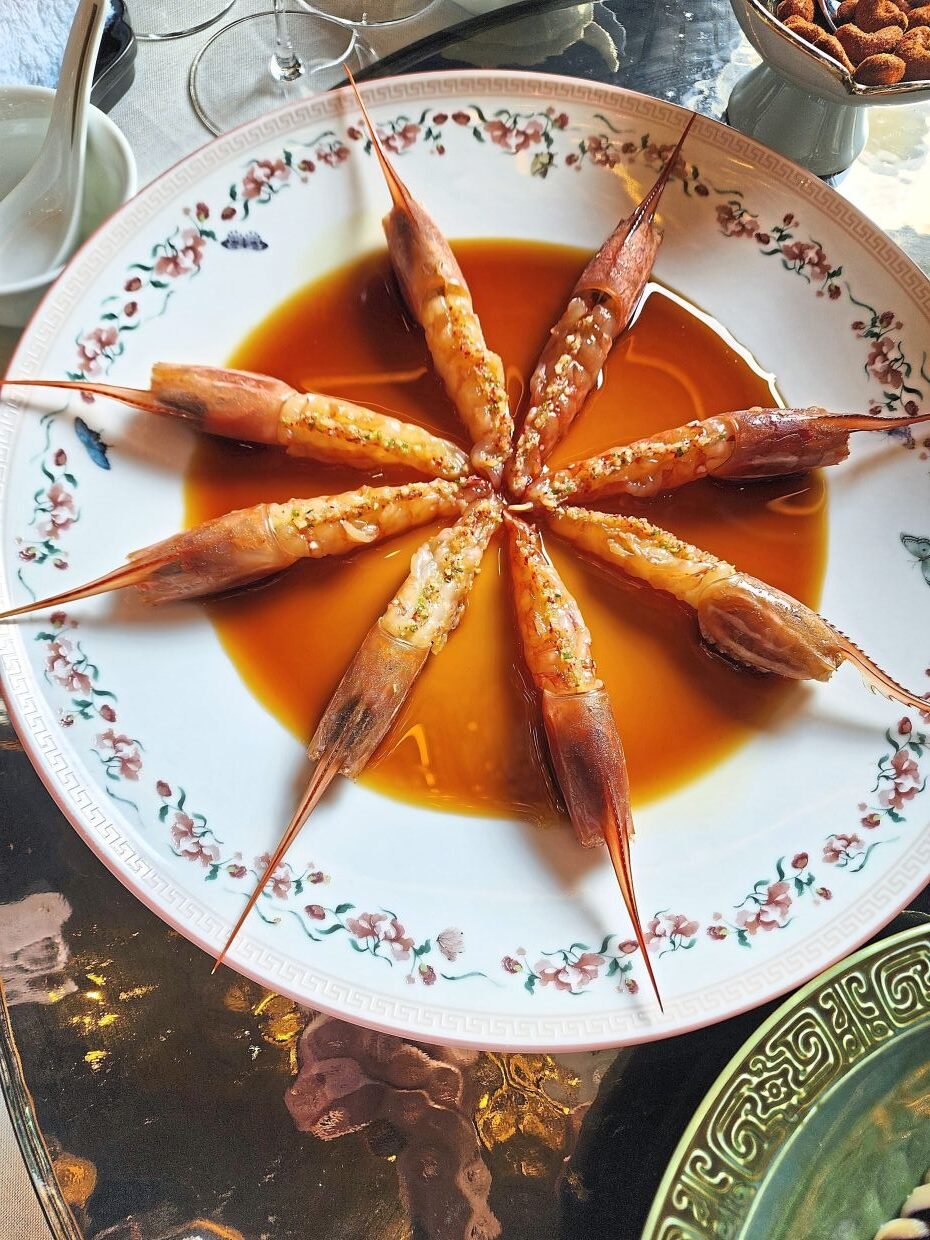
Another fantastic highlight on the menu is the Botan shrimp with “chiu chow” sauce, which highlights the supple, petal-like texture of the prawn astride a feisty sauce that give it a vivacious liveliness.
The meal ends with a bang through the sheer triumph of the fish maw, morrel mushroom and abalone sauce with rice. In this dish, Cheng has packed a smorgasbord of luxury Chinese ingredients and paired them with the humble vessel of rice, which has soaked all the flavours of these produce and given it a brand-new lens – and life.
Ultimately, Wing is worth all the accolades heaped on it because a meal here is defined by a single word: euphoria.
2. Forum Restaurant
This three Michelin-starred stalwart has been around since 1977, established by the legendary Yeung Koon Yat, also known as the “Abalone King”. In its early years, the restaurant served traditional Cantonese comfort food but as competition stiffened, Yeung knew he had to do something to stay one step ahead.
So he set out to master the notoriously difficult dried abalone, a mollusc known for being incredibly tough and chewy. In the 1980s, Yeung created a secret braising technique that yielded incredibly tender abalone cooked in a delicious master stock, thus giving birth to the famed Ah Yat’s Abalone, as it came to be known.
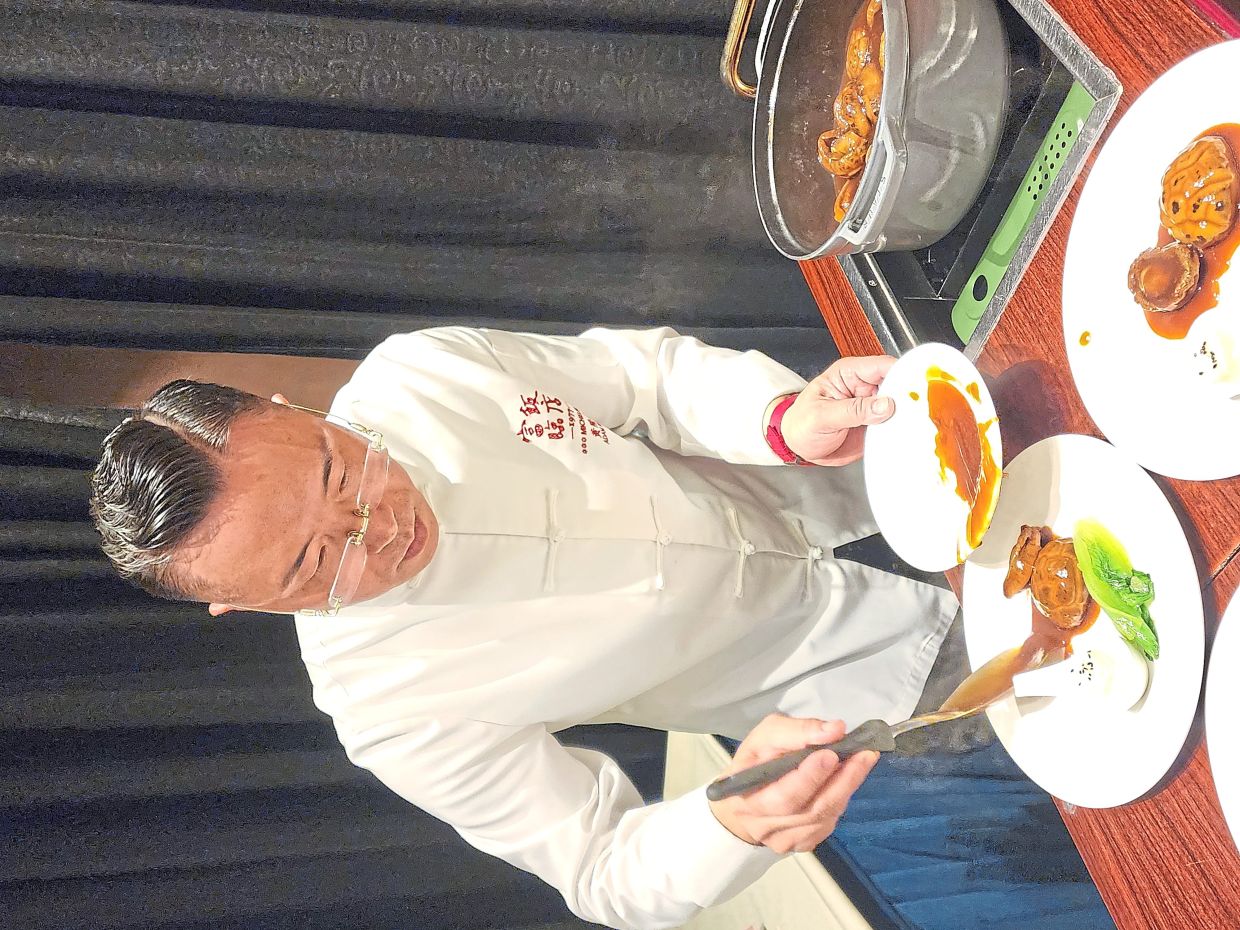
Yeung passed away in 2023 at the ripe old age of 90, leaving the restaurant in the able hands of his protégé Wong Lung To, who has continued the legacy set by Yeung.
If you’re dining at Forum, be sure to try the famed abalone dish that led Forum to glory. The abalone here is incredibly fat and plump and coated in an umami-rich sauce that gives it deeply aquatic underpinnings – well worth those three Michelin stars.
3. Dragons’ Den
This Bib Gourmand (value- for-money in the Michelin Guide) haunt is an ode to yesteryear Cantonese classics, a facet that is immediately omnipresent the minute you enter the eatery, which is decked out with hand-painted retro dragons on the wall and bright, psychedelic colours that hark back to Hong Kong’s 1980s heyday.
The eatery features a range of Cantonese evergreen classics like the eatery’s famed smoked dry-aged pigeon with pear wood, a fabulous dish that showcases pigeon in a whole new light, spotlighting the bird’s crispy, burnished skin, lightly smoky countenance and tender flesh in whole new ways.
The tea-smoked chicken meanwhile is an avian triumph that highlights golden-brown fowl with crackly skin that segues into juicy, succulent flesh awash in rich tannic flavours that draw the mind to the splendours of the Orient.
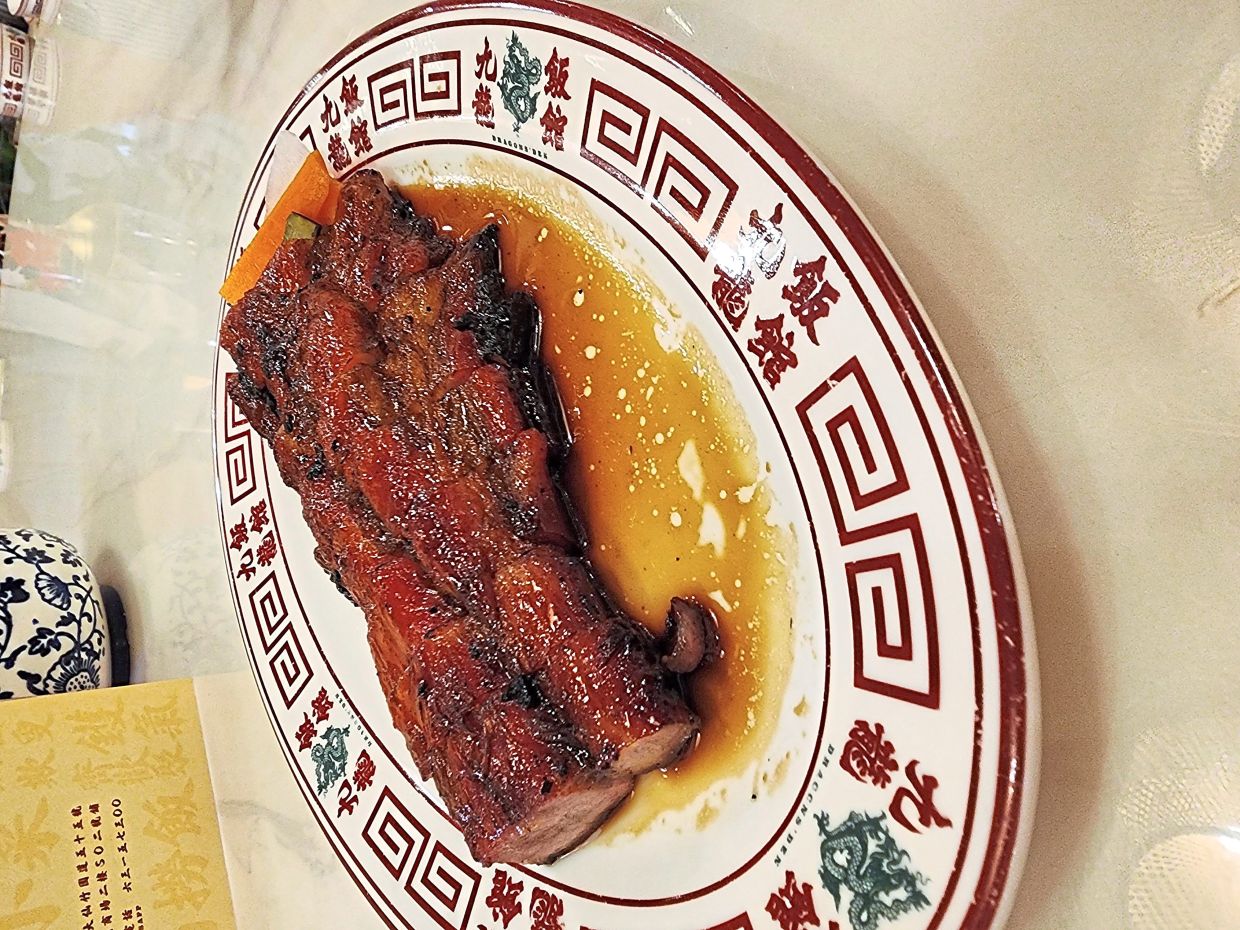
Other show-stoppers on the roster include barbecued pork – gold standard char siew pork with blackened bark at its edges, a ridge of fat around this and juicy, succulent meat to round out this powerhouse performance.
4. Bakehouse
Bakehouse is famed for its sourdough croissant egg tarts and the long, serpentine queues that trail outside the doors of each of its eight outlets scattered throughout Hong Kong.
The brand employs 400 people and most of this manpower is dedicated to making its egg tarts, which account for 45% of daily sales.
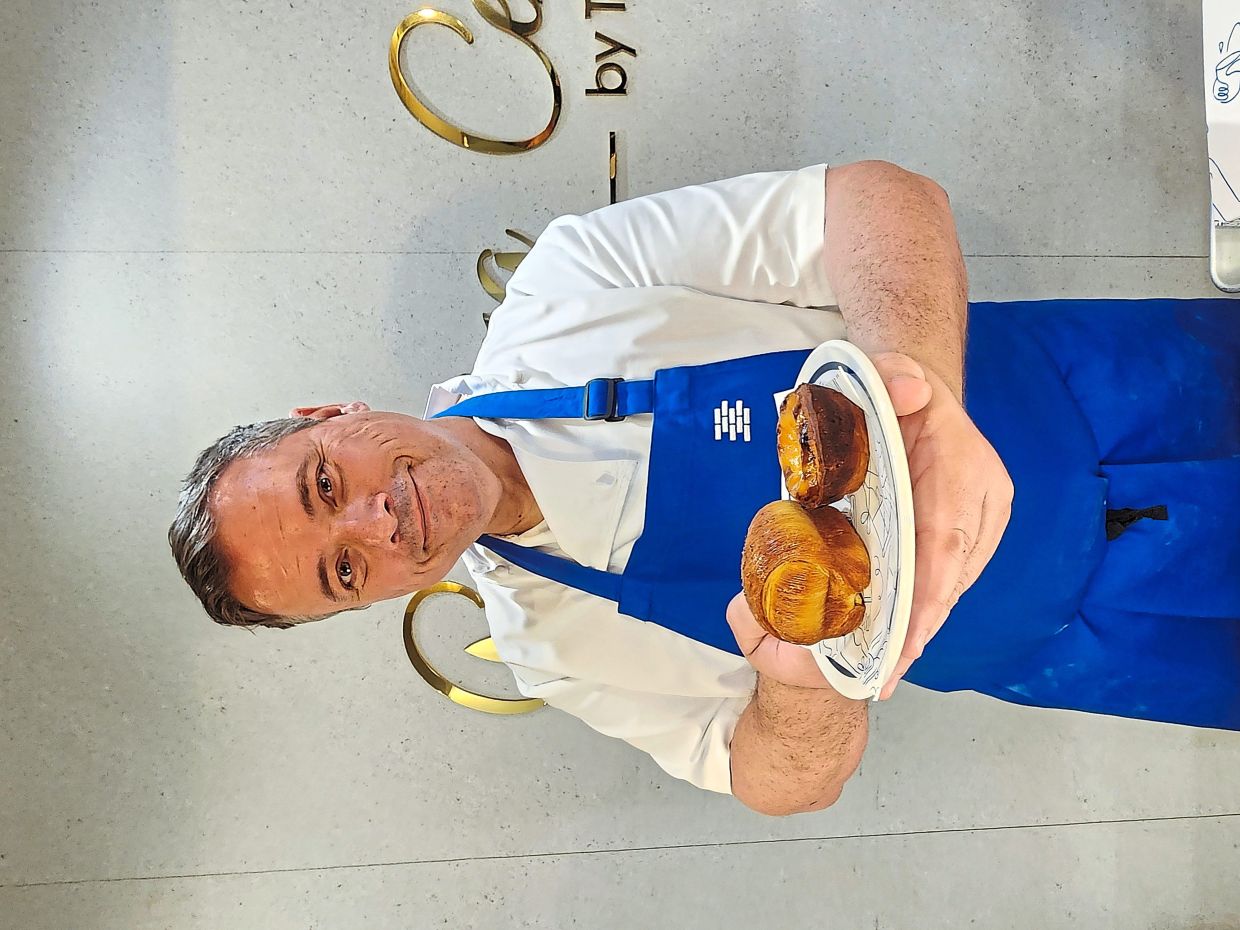
In fact, demand is so high that according to the eatery’s founder, acclaimed pastry chef Gregoire Michaud, the brand typically produces 35,000 egg tarts a day!
“We started Bakehouse in June 2018 and before that, no one was making egg tarts using sourdough croissant dough. But now, lots of people are copying us, which is a great form of flattery,” says Michaud, a Frenchman who speaks fluent Cantonese.
The eatery’s signature egg tarts are absolutely worth queuing for – buttery, flaky with a creamy centre that is suitably squidgy, this is an egg tart that is superlative from start to finish. In fact, once you’ve had one, it will be nay impossible to form an allegiance to any other pastry.
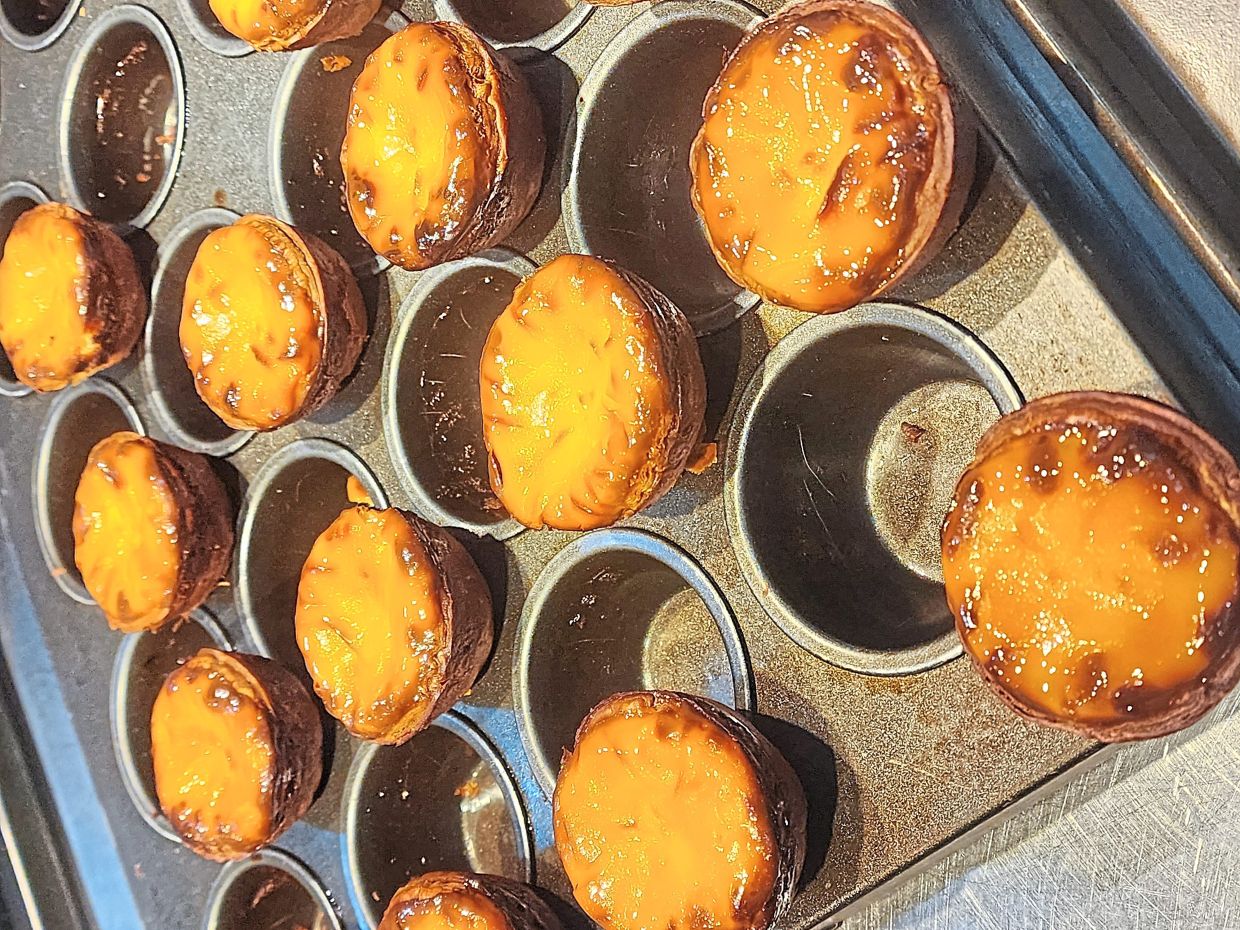
Pro tip: Eat the tarts while they’re piping hot. Trust me, don’t linger on this experience.
5. Lok Hau Fook
This historic restaurant opened in 1954 and over 70 years later, it has clearly stood the rigors of time. The restaurant serves authentic Chiu Chow (Teochew) cuisine in the Kowloon district of Hong Kong and has been featured in classic Hong Kong films like The Mission (1999).
This vestige of tradition continues through its ownership, with third-generation owner Simon Li now at the helm.
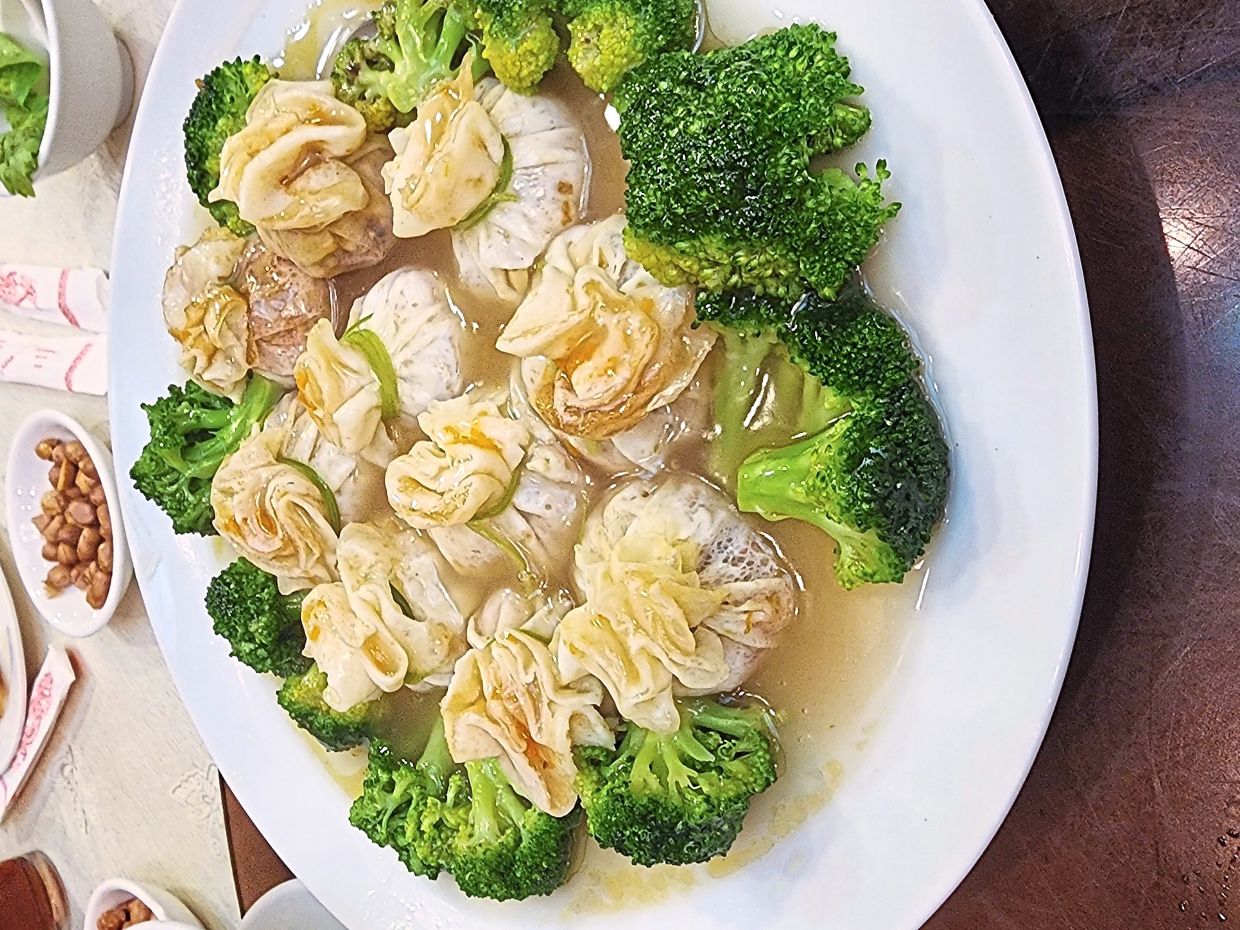
In terms of repast, the restaurant has stuck with heritage, serving up classic fare Teochew fare that you’re unlikely to find anywhere else simply because it’s been phased out over the years.
Some of the eatery’s specialties include deep-fried oyster omelette, a latticed beauty that is crisp on the outside and studded with plump, briny oysters inside.
Then there is the pomegranate chicken, which is essentially minced chicken, mushrooms, bamboo shoots and shrimp wrapped in a thin egg crepe, which is then bound and steamed. This is a rarely-found dish, simply because the skill and technique that is required to create the delicate egg crepe is a dying art that few are willing to undertake.