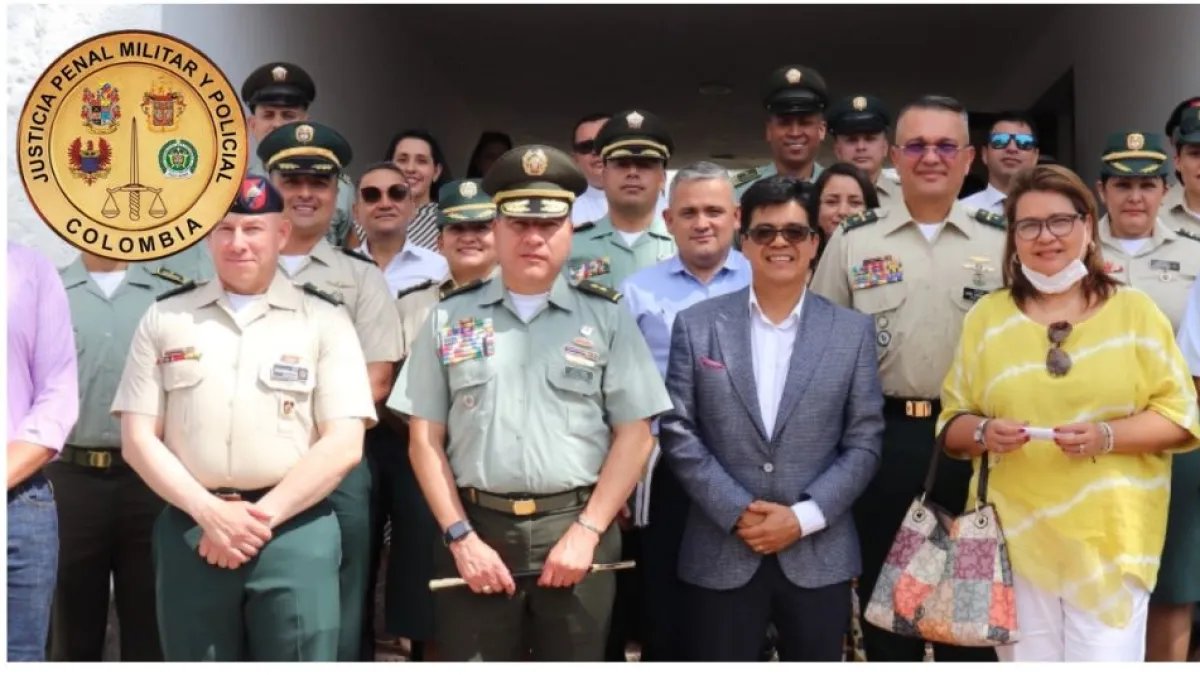
In the Army and the Police they assure that not even the Military Criminal Justice would be spared from the last minute appointments that The outgoing government of Gustavo Petro is doing so in full harmony with that of the elected president Abelardo de la Espriella.
Although there is also an alert regarding appointments to diplomatic positions, because they must remain for at least a year – so as not to incur a financial detriment due to the transfer bonus -, In the case of Military Criminal Justice, the alarm is that people (civilians) without expertise in that jurisdiction land.
READ ALSO
Eight in two minutes
The resumes uploaded by the Presidency. Photo:Presidency of the Republic
“The arrival of so many civilians is not normal. This is specialized justice. Just as in indigenous justice the judges and prosecutors are indigenous, in Military Criminal Justice the largest component must be made up of personnel from the Military Forces. And even high court rulings have pointed this out when they have argued why that jurisdiction should be maintained.“, a member of the Military Criminal Justice told EL TIEMPO.
And he added that during the current administration – headed by José Reyes Rodríguez Casas, close to Iván Velásquez – civilian personnel have been appointed: “And now, as is happening at the junction, they are appointing people close to them to leave there. But it has been happening for many months.”
According to a recent report, There are already 199 civilians (46.5 percent) compared to 229 uniformed personnel (53.5 percent of the total).
READ ALSO
The resumes
The number of civilians in the Military Criminal jurisdiction is increasing. Photo:Military Criminal Justice
EL TIEMPO investigated and established that on July 1, from 3:05:57 in the afternoon to 3:08:45 in the afternoon (two minutes and 48 seconds), the resumes of eight people who aspire to become three positions of investigative judges were uploaded; four military and police criminal prosecutors, and the national coordinator of the technical investigation body of the Military Criminal Justice.
The number of civilians in the Military Criminal jurisdiction is increasing. Photo:Military Criminal Justice
Although the total number of judges in that jurisdiction is 154 and 146 prosecutors, The complainants say that the entry of civilians has been taking place since Rodríguez arrived.
Among the positions to be filled at the end of this four-year period is that of national coordinator of the Technical Investigation Corps of Military Criminal Justice. The candidate is Jeannette González Sanabria, who since 1994 was assigned to the Prosecutor’s Office delegated to the Supreme Court and who served as an investigator in ‘parapolitics’ cases.
Candidates for judges They are Sonia Mireya Sanabria, from Ciénaga (Boyacá), who since 2003 had been serving as criminal judge of the Bogotá circuit. In addition, Gustavo Adolfo Tobo Rodríguez, who from 2013 until last June was departmental delegate of the Registry in Cundinamarca; and Diego Fabián Peñuela, from Villavicencio and who served as sectional director of the Prosecutor’s Office in Casanare.
And for prosecutor positions they are Reinaldo Cardona, Diana Arias and Adriana Lizarazo Guerrero, who already worked in the Military Criminal Justice as judges. Also, Germán León Beltrán, who had already been a prosecutor.
“The issue is not the code, but rather who applies the regulations. They have to be people who have years of experience in the Forces, with extensive knowledge in operational law, human rights, international humanitarian law and police and military doctrine. “The specialty in criminal and procedural law is important, but insufficient,” the complainants point out.
READ ALSO
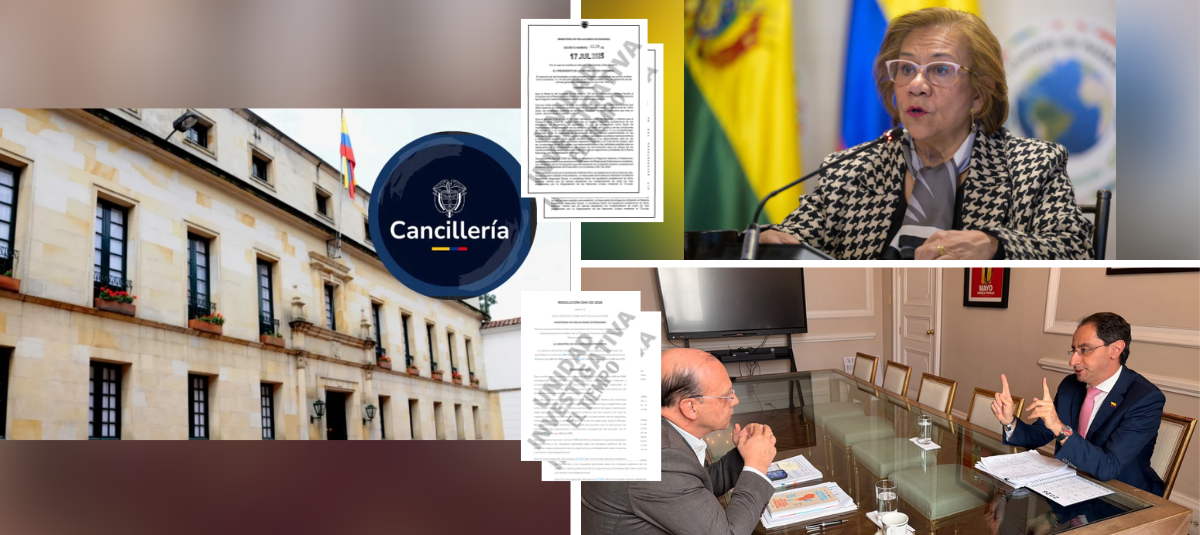
‘They were dammed’
José Reyes Rodríguez Casas, Director of Military and Police Criminal Justice. Photo:Military Criminal Justice
José Reyes Rodríguez Casas, director of the Military and Police Criminal Justice, told EL TIEMPO that these appointments had been coming since January: “Those resumes had been impeded for a long time by the restriction of the law of guarantees. The appointments should have been made in February.” And he added: “They are not last minute, they even underwent a safety study, which takes about two months.”. “It wasn’t like it suddenly occurred to us.”
Besideshighlighted that some come from the same entity.
Regarding the appointment of civilians, he assured: “In most cases, they have more experience than those who come from the Military Forces. Civilians have 10 to 15 years of experience as prosecutors or judges, while police and military personnel are fresh out of university. and they have no knowledge of even how to enter a hearing.”
READ ALSO
And he added: “You have to give them an immersion program, sometimes even assigning them to a judge, so that they acquire the skills and attend training.”
In fact, he said that there could be people from the Military Forces themselves who were not named because they did not meet the suitability requirements.: “So now they are saying that civilians are not capable or do not know about the subject.”
INVESTIGATIVE UNIT
u.investigativa@eltiempo.com
@UinvestigativaET
Follow us now on Facebook