At least 69 merchant seafarers have been killed in war-related attacks on commercial shipping this year, making 2026 one of the bloodiest periods for civilian mariners in decades, with the last clearly comparable episode dating back 38 years to the Iran-Iraq tanker war.
A Splash Crew analysis of casualty figures compiled by the International Maritime Organization (IMO), maritime security specialists and regional authorities reveals the extraordinary human cost of the conflicts engulfing three of the world’s most important shipping regions.
The Black Sea accounts for at least 40 deaths, followed by 25 in the Strait of Hormuz and wider Middle East conflict and four in the Red Sea. The actual figure is almost certainly higher, with dozens of seafarers still missing following attacks on merchant vessels.
The latest confirmed death came aboard the Marshall Islands-flagged tanker Velos Sapphire, attacked in the Middle East Gulf last week. The Filipino seafarer’s death brought the IMO’s official regional tally to 25 since hostilities began on February 28.
At least 130 attacks against commercial vessels have now been verified by the UN agency in the region.
Speaking at the conclusion of last week’s IMO Council meeting in London, secretary-general Arsenio Dominguez warned that seafarers were continuing to lose their lives, suffering serious injuries and facing abandonment, denied repatriation and shortages of basic necessities.
In September, Dominguez delivered an unusually direct message to governments. “Do not use these conflicts to attack innocent seafarers,” he said.
The Black Sea has proved even deadlier. According to figures compiled by maritime security firm Ambrey and the IMO, and reported by the Financial Times, more than 570 vessels have been attacked in the region during 2026, resulting in at least 40 seafarer deaths by late October.
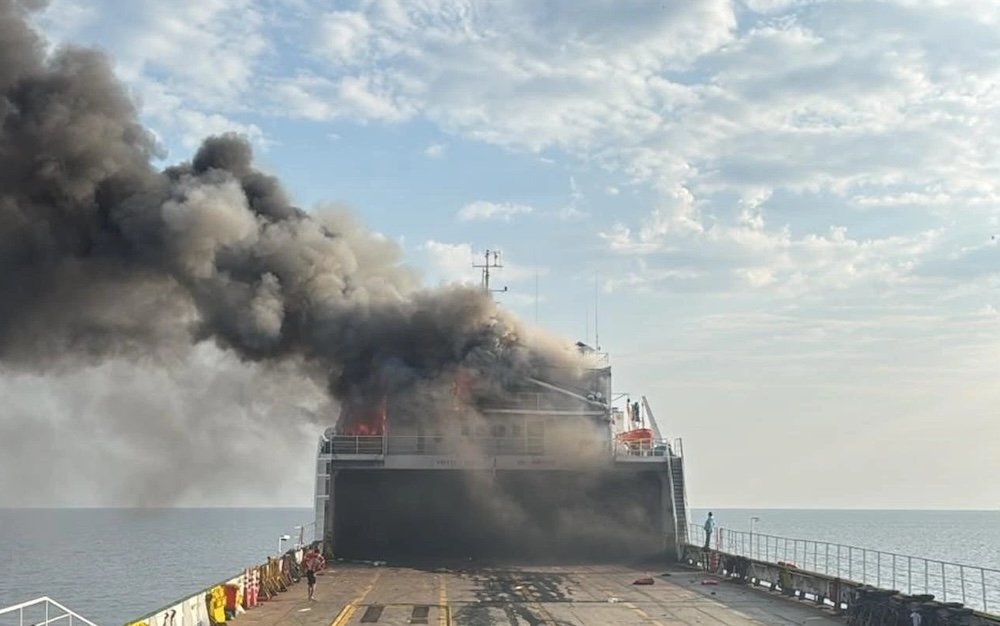
The toll has continued to mount. Bulgarian investigators announced over the weekend that human remains had been discovered aboard the chemical tanker Wine Trader, which was struck by drones off Romania on October 15. Seven of the vessel’s 12 crew had been missing. Local reports suggest the remains of as many as six sailors have been recovered, although formal identification remains outstanding.
Earlier, nine crewmembers and a pilot were killed when the Golden Leo was attacked while leaving Chornomorsk in July.
Oleh Hryhoriuk, chairman of Ukraine’s Marine Transport Workers’ Trade Union, recently described calling at Ukrainian ports as “near suicidal”.
he Red Sea has claimed another four seafarer lives this year, following the Houthi attack on the Egyptian-owned Tihamah in August. Two Yemeni rescuers were also killed in the incident.
To find a comparable concentration of merchant seafarer deaths, maritime historians must look back to the tanker wars of the 1980s.
US naval historical records document 116 merchant sailor deaths from attacks on shipping between 1984 and 1987, with particularly devastating Iraqi strikes on tankers continuing into 1988. One attack on two tankers at Kharg Island in March that year left more than 50 sailors dead.
The International Transport Workers’ Federation (ITF) has repeatedly demanded greater protection for civilian crews.
“Seafarers are not soldiers,” ITF general secretary Stephen Cotton warned earlier this year, arguing that ordinary maritime workers are being forced to bear the consequences of wars they neither started nor can end.
The escalating violence has also brought the rights of seafarers ordered into conflict zones into focus.
Under the International Bargaining Forum’s warlike operations designation covering Hormuz and surrounding waters, seafarers on covered vessels are entitled to additional pay, doubled death and disability compensation and the right to refuse entry, with repatriation at their employer’s expense. Yet thousands of seafarers remain exposed to missiles, drones and naval mines, many aboard vessels unable to leave dangerous waters.