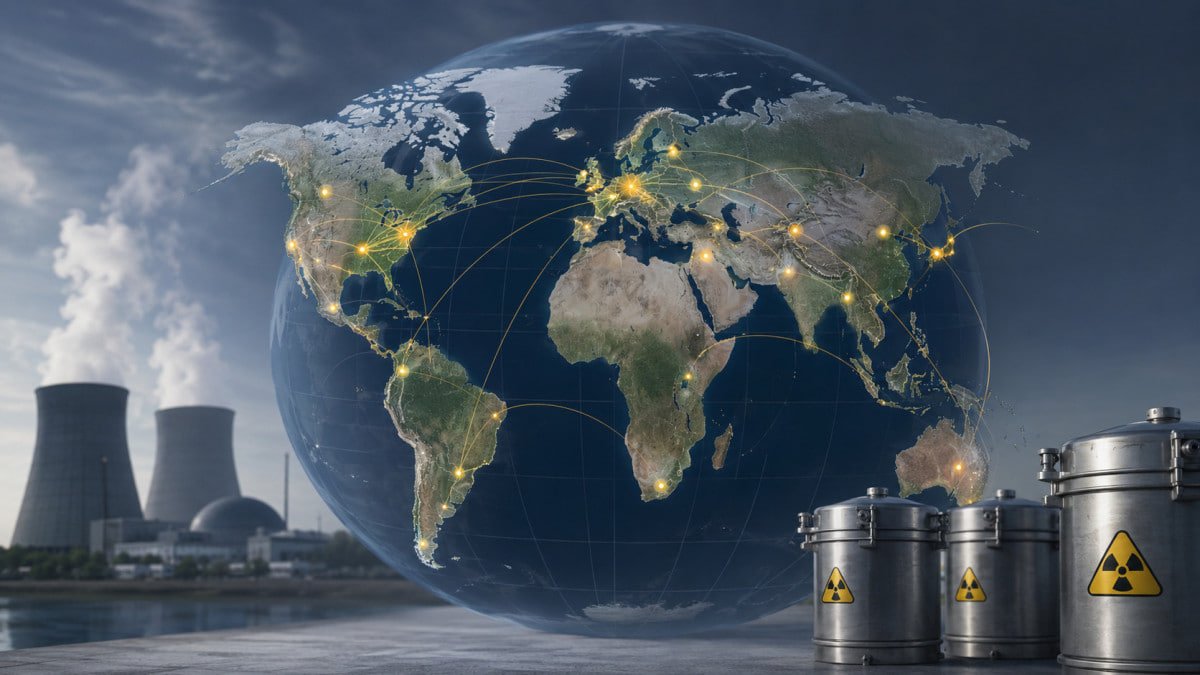
The International Atomic Energy Agency (AEXA) has launched a new interactive map showing the amount of spent nuclear fuel stored in countries around the world and how it is stored. According to the agency, nuclear power plants have generated about 448,000 tons of spent nuclear fuel worldwide.
A new interactive tool brings together the most comprehensive public information on where the world’s spent nuclear fuel is located, how it is stored and recycled. summarizes.
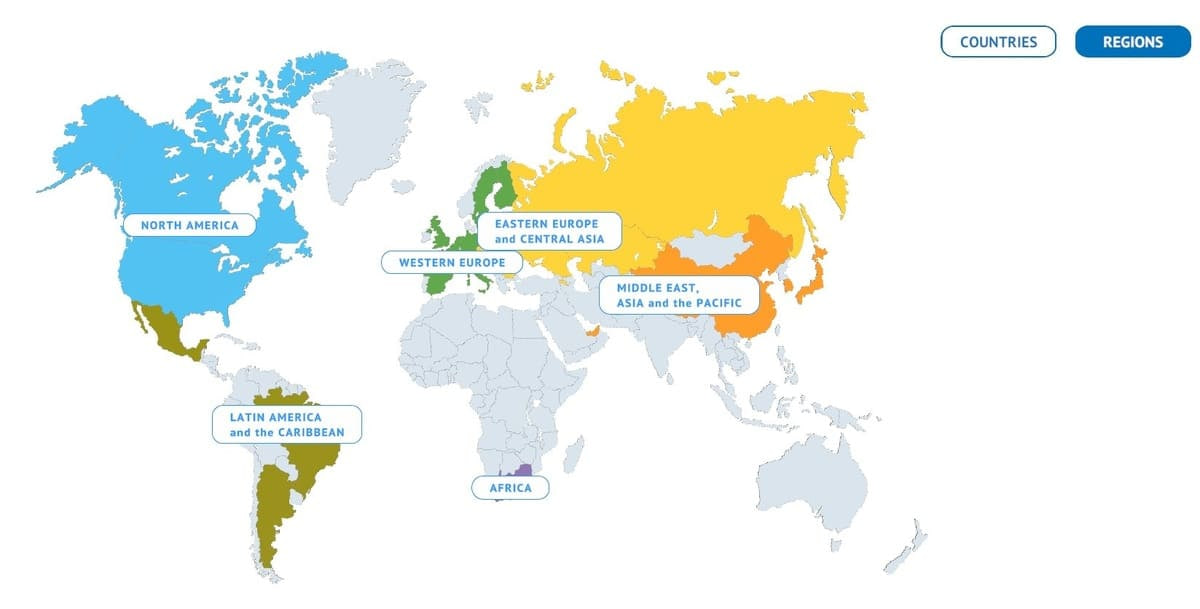
The information was prepared on the basis of reports submitted by AEXA member states under the Joint Convention on the Safe Management of Spent Nuclear Fuel and Radioactive Waste, not the United States.
Through a platform called the Global Spent Nuclear Fuel Inventory Tool, users can explore spent nuclear fuel inventories across countries, regions and storage methods.
448 thousand tons of nuclear fuel were used
According to AEXA’s calculations, approximately 448,000 tons of heavy metals (a unit of measurement used to calculate uranium and other heavy elements in nuclear fuel) have been removed from the world’s nuclear reactors so far.
From this:
322,000 tons are still stored in various warehouses;
126 thousand tons were processed.
The recycling process makes it possible to extract materials that can be used again from the used fuel. This reduces the need for new uranium mining and reduces the volume of highly radioactive waste that requires final disposal.
How is nuclear waste stored?
According to AEXA, the world’s spent nuclear fuel:
41 percent is stored in aqueous (wet) storage systems. These are usually special pools filled with water in the NPP area, where the fuel released from the reactor is cooled and protected from radiation.
31 percent are placed in dry storage systems. Such systems include concrete containers, metal capsules, special warehouses and modular structures.
In recent decades, many countries have begun moving older fuels from liquid storage to dry storage facilities. This is explained by the need to improve waste management strategies and make room for new fuel in operating reactors.
Finland is launching the world’s first deep geological repository
Currently, most countries use temporary storage systems for nuclear waste and are developing solutions for their safe long-term disposal.
In this regard, Finland is preparing to launch the world’s first deep geological repository. This facility is designed to isolate radioactive materials from the environment for a very long time by placing them deep underground.
According to AEXA, such an interactive tool allows scientists, experts, government agencies and the general public to better understand nuclear waste management practices in different countries.