Editorial – BBC News World
A 10-day ceasefire between Israel and Lebanon, which was announced by US President Donald Trump, came into effect at 9:00 p.m. (local time) on Thursday.
Lebanese President Joseph Aoun praised the deal, while Israeli Prime Minister Benjamin Netanyahu called it “a historic opportunity” for peace.
However, the ceasefire announcement appears to have taken Israel by surprise, reportedly even within the government’s own security cabinet.
The Israeli public has also reacted negatively to the deal, with many expressing skepticism about it.
In his post, Trump did not mention Hezbollah, the Iran-backed Lebanese militant group with which Israel has been exchanging fire for the past six weeks.
However, in a subsequent post on Truth Social, Trump urged the group to respect the ceasefire.
“I hope Hezbollah behaves well and responsibly during this important period,” Trump wrote.
“It will be a great moment for them if they do it. Enough of the deaths! We need peace!”
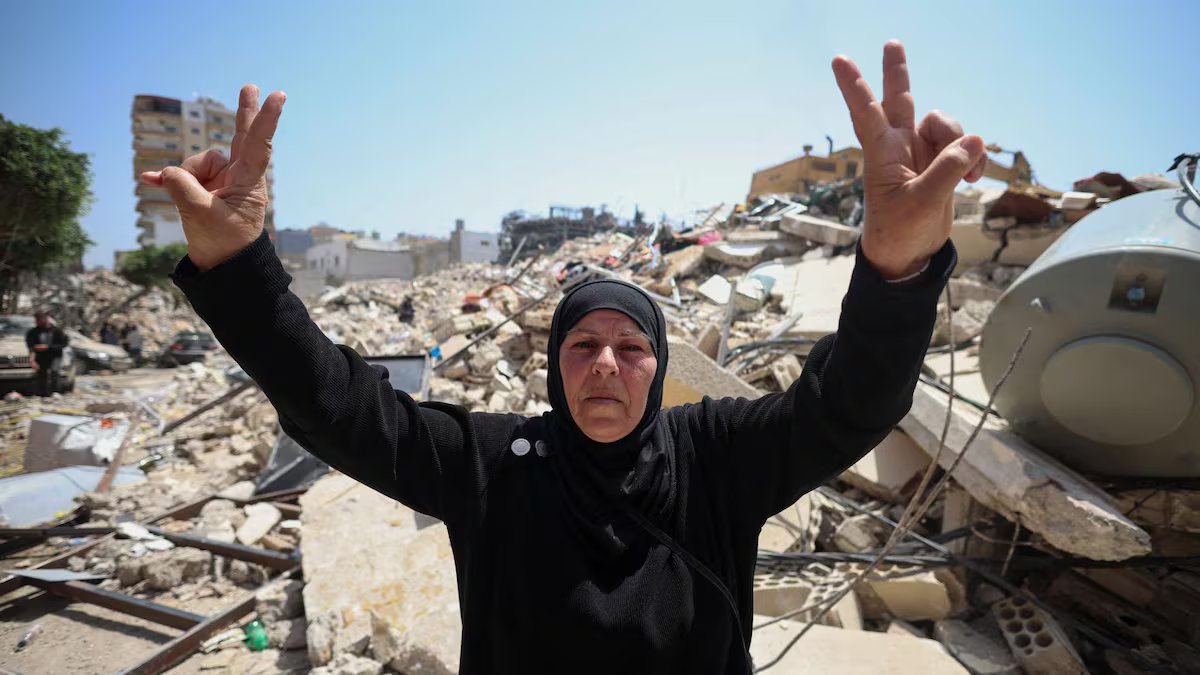
In Lebanon, the population took to the streets to celebrate, while large groups moved in caravans of vehicles towards their homes in the southern region of the country, heavily bombed by Israel since the beginning of last month.
Following the announcement, Donald Trump invited the Israeli prime minister and the Lebanese president to the White House to continue talks.
What does the agreement say?
The terms of the agreement specify that the ceasefire will last for 10 days, with the possibility of it being extended by mutual agreement if negotiations show progress.
According to additional information provided by the US Department of State:
-
Israel retains its right to take all necessary measures in self-defense, at any time, against planned, imminent or ongoing attacks.
-
Lebanon must take effective measures to prevent Hezbollah and other non-state armed groups from carrying out attacks against Israeli targets.
-
The parties involved recognize that the Lebanese security forces have sole responsibility for the country’s security.
-
Israel and Lebanon asked the US to continue facilitating direct talks with the goal of “resolving all outstanding issues.”

What have the different parties said about it?
The leaders of Israel and Lebanon welcomed the truce. Netanyahu called it an “opportunity to reach a historic peace agreement.”
Despite Netanyahu’s words, the announcement of the ceasefire agreement has reportedly taken Israel by surprise.
A widely respected Israeli media outlet described tonight that Netanyahu called a security cabinet meeting with just five minutes’ notice, shortly before the ceasefire was announced.
Leaks from that meeting say ministers did not have a chance to vote on the ceasefire.
“A ceasefire must be granted from a position of strength to serve Israel’s national interests,” said former IDF Chief of Staff and head of the Yashar party Gadi Eisenkot.
“A pattern has developed in which ceasefires are imposed on us – in Gaza, in Iran and now in Lebanon. Netanyahu does not know how to convert military gains into diplomatic advances.”
For many, this is another example of Netanyahu bowing to US President Donald Trump’s demands to stop the fighting, even when the terms or timing are not what Israel wants.
The BBC’s Nahariya, Israel correspondent, Lucy Williamson, notes that on the ground – and across the country – there is skepticism about why Netanyahu has signed the truce.
“I feel like the government lied to us,” said Gal, a student from Nahariya. “They promised that this time it would end differently, but it seems that once again we are heading towards a ceasefire agreement that resolves nothing.”
“We gave the Lebanese government a chance and they didn’t honor the agreement; they didn’t disarm Hezbollah,” said Maor, a 32-year-old truck driver whose home was hit by a rocket last year.
“If we don’t do it, no one will. It’s a shame they stopped. This time it seemed like they had made significant achievements.”
Although Netanyahu welcomed the truce, he also made clear that he would make few concessions on the ground.
He highlighted that Hezbollah had insisted on two conditions: the withdrawal of Israeli forces from Lebanon and a principle of “silence for silence.”
“I didn’t accept either the first or the second,” he said. “These two conditions are not met. We remain in Lebanon in a denser security zone (…) We are there, and we are not leaving.”

For his part, Lebanese Prime Minister Nawaf Salam expressed hope that the agreement would allow those displaced by the conflict to return to their homes.
Hezbollah also expressed its willingness to participate in the ceasefire, but demanded that it include “a complete cessation of attacks” throughout Lebanon and “a ban on freedom of movement for Israeli forces.”
Although the Iran-backed group is deeply embedded in Lebanon, it is not part of the Lebanese government’s security apparatus.
Iran’s Foreign Ministry welcomed the ceasefire, and its spokesman, Esmail Baghaei, expressed its “solidarity” with Lebanon. Tehran had insisted that its own two-week ceasefire with the United States must include Lebanon, while the United States and Israel denied this.
UN Secretary-General António Guterres praised the US role in facilitating the ceasefire and urged all parties to “fully respect” and “comply with international law at all times.”
click here to read more stories from BBC News Mundo.
Subscribe here to our new newsletter to receive a selection of our best content of the week every Friday.
You can also follow us on YouTube, instagram, TikTok, x, Facebook and in our new whatsapp channel.
And remember that you can receive notifications in our app. Download the latest version and activate them.