Wednesday, June 10, 2026
    The GeoStrategic Consensus
    No Result
    View All Result
    • Login
    • HOME
    • AMERICAS
      • Argentina
      • Brazil
      • Canada
      • Chile
      • Colombia
      • Costa Rica
      • Cuba
      • Dominican Republic
      • Ecuador
      • El Salvador
      • Greenland
      • Guatemala
      • Honduras
      • Mexico
      • Nicaragua
      • Panama
      • Paraguay
      • Peru
      • United States
      • Uruguay
      • Venezuela
    • ASIA-PACIFIC
      • Australia
      • Brunei Darussalam
      • Cambodia
      • China
      • Federated States of Micronesia
      • Fiji
      • Indonesia
      • Japan
      • Kiribati
      • Laos
      • Malaysia
      • Marshall Islands
      • Mongolia
      • Myanmar
      • Nauru
      • New Zealand
      • North Korea
      • Palau
      • Papua New Guinea
      • Philippines
      • Samoa
      • Singapore
      • Solomon Islands
      • South Korea
      • Taiwan
      • Thailand
      • Timor-Leste
      • Tonga
      • Tuvalu
      • Vanuatu
      • Vietnam
    • CARICOM
      • CARICOM – Non-English
        • Haiti
        • Suriname
      • CARICOM Associates
        • Anguilla
        • Bermuda
        • British-Virgin-Islands
        • Cayman-Islands
        • Curacao
        • Turks-and-Caicos
      • CARICOM English
        • Antigua and Barbuda
        • Barbados
        • Belize
        • Dominica
        • Grenada
        • Guyana
        • Jamaica
        • Montserrat
        • Saint Kitts and Nevis
        • Saint Lucia
        • Saint Vincent and the Grenadines
        • The Bahamas
        • Trinidad and Tobago
    • EURASIA
      • Armenia
      • Azerbaijan
      • Balarus
      • Georgia
      • Kazakhstan
      • Kyrgyzstan
      • Moldova
      • Russia
      • Tajikistan
      • Turkmenistan
      • Ukraine
      • Uzbekistan
    • EUROPE
      • Albania
      • Andorra
      • Austria
      • Bosnia and Herzegovina
      • Bulgaria
      • Croatia
      • Cyprus
      • Czech Republic
      • Denmark
      • Estonia
      • Finland
      • France
      • Germany
      • Greece
      • Holy See
      • Hungary
      • Iceland
      • Ireland
      • Italy
      • Kosovo
      • Latvia
      • Liechtenstein
      • Lithuania
      • Luxembourg
      • Malta
      • Monaco
      • Montenegro
      • Netherlands
      • North Macedonia
      • Norway
      • Poland
      • Portugal
      • Romania
      • San Marino
      • Serbia
      • Slovakia
      • Slovenia
      • Spain
      • Sweden
      • Switzerland
      • United Kingdom
    • MIDDLE EAST AND NORTH AFRICA
      • Algeria
      • Bahrain
      • Egypt
      • Iran
      • Iraq
      • Israel
      • Jordan
      • Kuwait
      • Lebanon
      • Lybia
      • Morocco
      • Oman
      • Palestinian Territories
      • Qatar
      • Saudi Arabia
      • Syria
      • Tunisia
      • Turkey
      • United Arab Emirates
      • Western Sahara
      • Yemen
    • SOUTH ASIA
      • Afghanistan
      • Bangladesh
      • Bhutan
      • India
      • Maldives
      • Nepal
      • Pakistan
      • Sri Lanka
    • SUB-SAHARAN AFRICA
      • Angola
      • Benin
      • Botswana
      • Burkina Faso
      • Burundi
      • Cabo Verde
      • Cameroon
      • Central African Republic
      • Chad
      • Comoros
      • Cote d’Ivoire
      • Democratic Republic of the Congo
      • Djibouti
      • Equatorial Guinea
      • Eritrea
      • Eswatini
      • Ethiopia
      • Gabon
      • Gambia
      • Ghana
      • Guinea
      • Guinea Bissau
      • Kenya
      • Lesotho
      • Liberia
      • Madagascar
      • Malawi
      • Mali
      • Mauritania
      • Mauritius
      • Mozambique
      • Namibia
      • Niger
      • Nigeria
      • Republic of the Congo
      • Rwanda
      • Sao Tome and Principe
      • Senegal
      • Seychelles
      • Sierra Leone
      • Somalia
      • South Africa
      • South Sudan
      • Sudan
      • Tanzania
      • Togo
      • Uganda
      • Zambia
      • Zimbabwe
    • HOME
    • AMERICAS
      • Argentina
      • Brazil
      • Canada
      • Chile
      • Colombia
      • Costa Rica
      • Cuba
      • Dominican Republic
      • Ecuador
      • El Salvador
      • Greenland
      • Guatemala
      • Honduras
      • Mexico
      • Nicaragua
      • Panama
      • Paraguay
      • Peru
      • United States
      • Uruguay
      • Venezuela
    • ASIA-PACIFIC
      • Australia
      • Brunei Darussalam
      • Cambodia
      • China
      • Federated States of Micronesia
      • Fiji
      • Indonesia
      • Japan
      • Kiribati
      • Laos
      • Malaysia
      • Marshall Islands
      • Mongolia
      • Myanmar
      • Nauru
      • New Zealand
      • North Korea
      • Palau
      • Papua New Guinea
      • Philippines
      • Samoa
      • Singapore
      • Solomon Islands
      • South Korea
      • Taiwan
      • Thailand
      • Timor-Leste
      • Tonga
      • Tuvalu
      • Vanuatu
      • Vietnam
    • CARICOM
      • CARICOM – Non-English
        • Haiti
        • Suriname
      • CARICOM Associates
        • Anguilla
        • Bermuda
        • British-Virgin-Islands
        • Cayman-Islands
        • Curacao
        • Turks-and-Caicos
      • CARICOM English
        • Antigua and Barbuda
        • Barbados
        • Belize
        • Dominica
        • Grenada
        • Guyana
        • Jamaica
        • Montserrat
        • Saint Kitts and Nevis
        • Saint Lucia
        • Saint Vincent and the Grenadines
        • The Bahamas
        • Trinidad and Tobago
    • EURASIA
      • Armenia
      • Azerbaijan
      • Balarus
      • Georgia
      • Kazakhstan
      • Kyrgyzstan
      • Moldova
      • Russia
      • Tajikistan
      • Turkmenistan
      • Ukraine
      • Uzbekistan
    • EUROPE
      • Albania
      • Andorra
      • Austria
      • Bosnia and Herzegovina
      • Bulgaria
      • Croatia
      • Cyprus
      • Czech Republic
      • Denmark
      • Estonia
      • Finland
      • France
      • Germany
      • Greece
      • Holy See
      • Hungary
      • Iceland
      • Ireland
      • Italy
      • Kosovo
      • Latvia
      • Liechtenstein
      • Lithuania
      • Luxembourg
      • Malta
      • Monaco
      • Montenegro
      • Netherlands
      • North Macedonia
      • Norway
      • Poland
      • Portugal
      • Romania
      • San Marino
      • Serbia
      • Slovakia
      • Slovenia
      • Spain
      • Sweden
      • Switzerland
      • United Kingdom
    • MIDDLE EAST AND NORTH AFRICA
      • Algeria
      • Bahrain
      • Egypt
      • Iran
      • Iraq
      • Israel
      • Jordan
      • Kuwait
      • Lebanon
      • Lybia
      • Morocco
      • Oman
      • Palestinian Territories
      • Qatar
      • Saudi Arabia
      • Syria
      • Tunisia
      • Turkey
      • United Arab Emirates
      • Western Sahara
      • Yemen
    • SOUTH ASIA
      • Afghanistan
      • Bangladesh
      • Bhutan
      • India
      • Maldives
      • Nepal
      • Pakistan
      • Sri Lanka
    • SUB-SAHARAN AFRICA
      • Angola
      • Benin
      • Botswana
      • Burkina Faso
      • Burundi
      • Cabo Verde
      • Cameroon
      • Central African Republic
      • Chad
      • Comoros
      • Cote d’Ivoire
      • Democratic Republic of the Congo
      • Djibouti
      • Equatorial Guinea
      • Eritrea
      • Eswatini
      • Ethiopia
      • Gabon
      • Gambia
      • Ghana
      • Guinea
      • Guinea Bissau
      • Kenya
      • Lesotho
      • Liberia
      • Madagascar
      • Malawi
      • Mali
      • Mauritania
      • Mauritius
      • Mozambique
      • Namibia
      • Niger
      • Nigeria
      • Republic of the Congo
      • Rwanda
      • Sao Tome and Principe
      • Senegal
      • Seychelles
      • Sierra Leone
      • Somalia
      • South Africa
      • South Sudan
      • Sudan
      • Tanzania
      • Togo
      • Uganda
      • Zambia
      • Zimbabwe
    No Result
    View All Result
    Agentially
    No Result
    View All Result
    Home EUROPE Serbia

    What does the new Franco-German non paper bring us? – Politics

    The Analyst by The Analyst
    June 10, 2026
    in Serbia
    What does the new Franco-German non paper bring us? – Politics


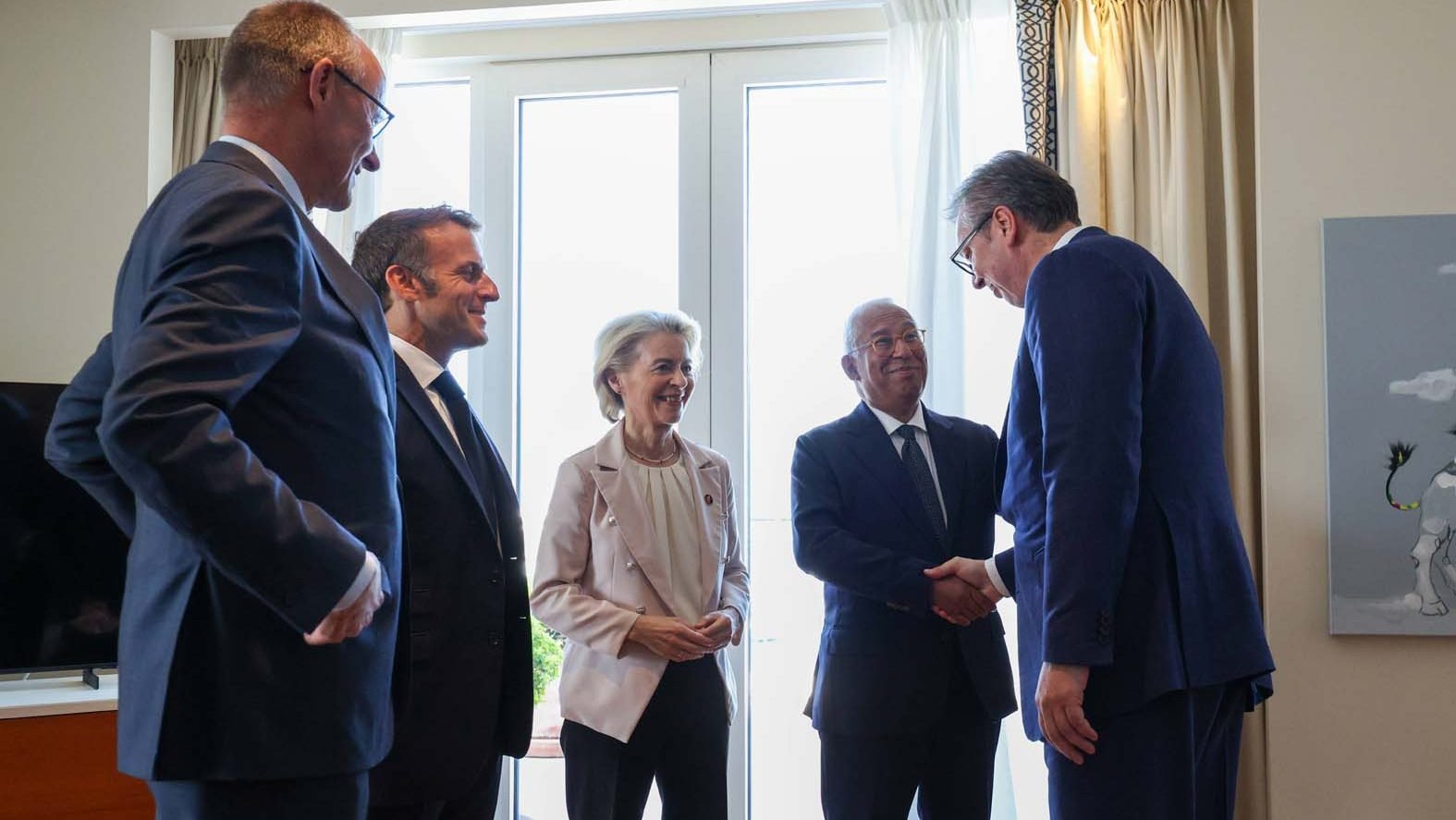
    The new joint proposal of Germany and France, prepared for the summit of the EU and the Western Balkans that was recently held in Tivat, according to Danas interlocutors, is a consequence of previous failures in the enlargement policy.

    READ ALSO

    Who is the future of Serbia for Aleksandar Vučić, and what is the freakish past for the interviewees of Danas? – Politics

    Forget the crowds in Dalmatia: This hidden bay on Pelješac still looks like the Adriatic from 30 years ago

    The new plan presented in this document proposes that the countries of the Western Balkans and Moldova enter the European Union step by step, that is, that the countries would be involved in the work of the EU gradually, depending on how successful they are in implementing reforms.

    “We must provide additional incentives within the gradual merit-based integration process and simplify the existing process to make it more efficient and enable faster and deeper integration,” the Franco-German non-paper states.

    Naim Leo Beshiri, director of the Institute for European Affairs, tells Danas that the French-German proposal is important above all because it is an acknowledgment that the current enlargement policy did not produce the results expected by either the European Union or the candidate countries.

    What does the new Franco-German non paper bring us? 2
    Photo: FoNet/Milica Vučković

    “The European Union has been building a process based on the principle of “stick and carrot” for more than two decades. The idea was simple: implement reforms, align with European values ​​and standards, and you will be rewarded with progress towards membership. However, practice has shown that such a model failed to produce sufficiently strong incentives for political elites, nor did it bring enough tangible benefits to citizens”, explains our interlocutor.

    He reminds that the last big and concrete benefit that the citizens of Serbia directly felt was the visa liberalization in 2009, adding that today even that success is slowly losing its importance.

    “Citizens are already going through additional controls, taking photos and taking biometric data at the borders, while a system of pre-authorization for travel to the EU will be introduced starting in the fall. It is not formally a visa, but for many citizens it represents an additional administrative obstacle and expense,” says Beshiri.

    At the same time, as he states, the countries of the region have not shown the political maturity expected by the European Union. According to him, nationalism is still the “dominant political currency” in the region, and instead of regional cooperation, we often see politics in which it is more important that the neighbor is worse off than that we are better off. Beshiri points out that Serbia is a particularly problematic example due to continuous interference in the internal political processes of neighboring countries, which further undermines trust in the region.

    “After almost twelve years of negotiations, it is clear that the government in Serbia was not capable, and even more importantly, was not willing to implement reforms leading to membership in the European Union. On the other hand, the opposition, civil society and the pro-European part of the public were not strong enough to successfully oppose years of anti-EU propaganda and the systemic collapse of institutions. In this sense, the Franco-German proposal represents an acknowledgment that the previous model did not work. The European Union is now trying to offer “sweeter carrot”. Instead of citizens waiting for full membership as a distant goal, it is proposed to gradually open up certain privileges that until now were reserved almost exclusively for member states”, says our interlocutor.

    The most significant measures from this document, as Beshiri points out, include gradual access to the EU single market, inclusion of candidates in certain meetings of European institutions, access to European programs, stronger security and defense cooperation, integration into the digital market, the energy union, the SEPA payment system, as well as the further removal of obstacles to the movement of people, goods, services and capital.

    “For citizens, this could mean lower transaction costs, easier business, greater investments, cheaper roaming and stronger integration of the region into European flows. However, the question remains whether this will be enough. Free roaming or easier payments across borders are useful steps, but they mean the most to the part of the population that already has the opportunity to travel, do business or study abroad. Therefore, the European Union will have to find more ambitious ways to show citizens that the integration process brings concrete benefits in everyday life,” he says.

    As he assesses, the greatest value of this proposal is not in individual measures, but in the attempt to make the process politically relevant again for both citizens and political elites, noting that at the same time, this document maintains an important principle: privileges can be obtained gradually, but full membership remains reserved for those who meet all the conditions.

    “It is a reasonable approach, but time is not an unlimited resource. The European Union must react much faster than until now, because the extended state between membership and non-membership creates space for the growth of authoritarianism, foreign influence and political instability. Getting the region stuck in endless negotiations could end up costing both the Western Balkans and the European Union itself more than many want to admit today,” concludes Beshiri.

    Dragana Đurica, Secretary General of the European Movement, considers that the Franco-German non-paper is extremely important because, although it does not fundamentally bring anything radically new, it introduces a completely new dynamic and tries to pull the enlargement process out of the political impasse in which it has been for years. Through this new dynamic, as he explains, the document offers concrete benefits for candidate countries, but under the same rules and with significantly greater responsibility.
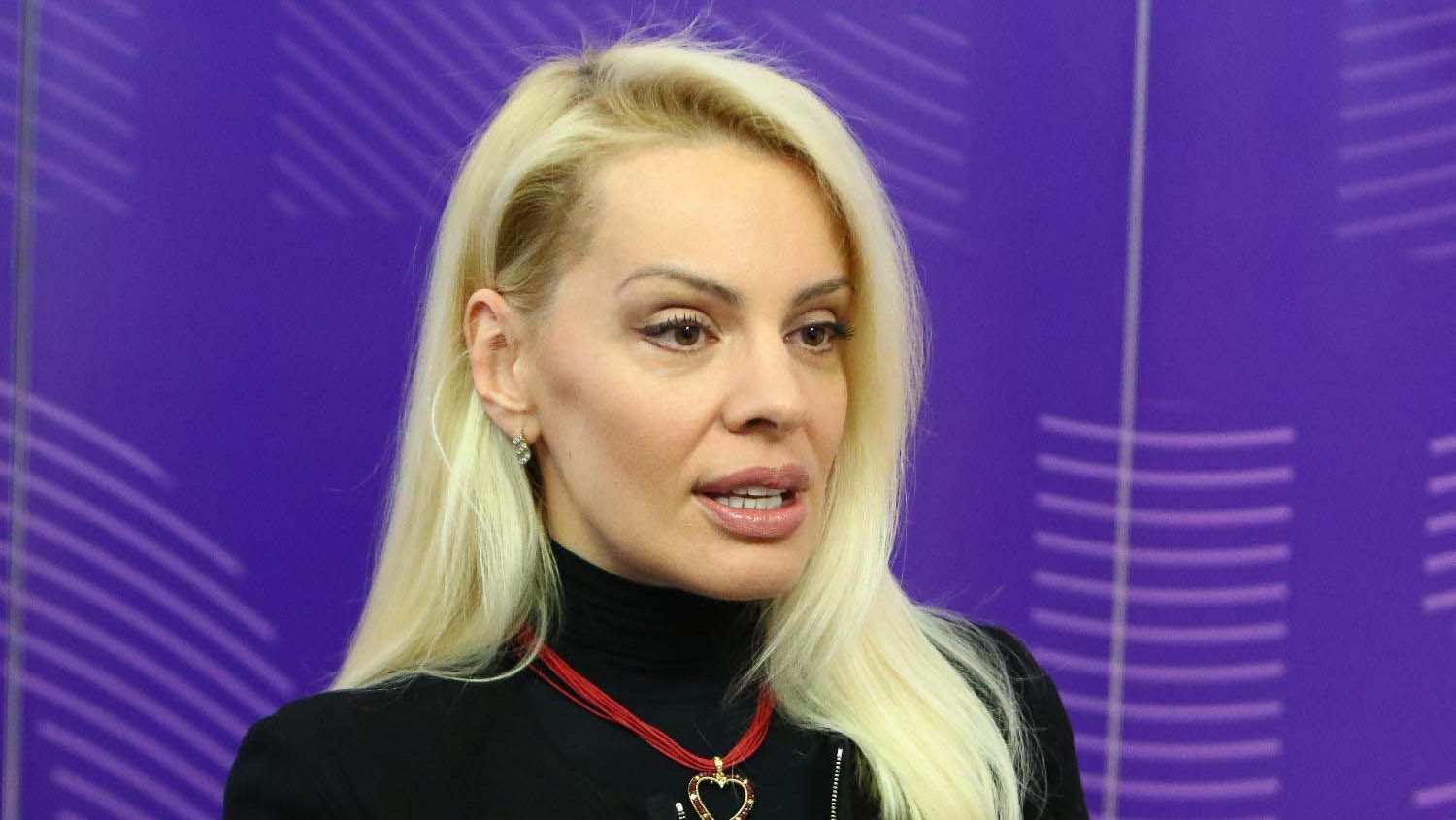
    What does the new Franco-German non paper bring us? 3
    Photo by FoNet Milica Vučković

    “The essence of the proposal is not a shortcut to membership, nor a substitute for full membership, but the introduction of a clear principle: whoever implements reforms can get tangible benefits from European integration sooner, while whoever backslides risks losing what he has already achieved. Thus, the process becomes officially reversible,” says our interlocutor.

    Đurica points out that the key points of this document envisage gradual integration into the single European market and greater involvement of candidate countries in the work of the institutions of the European Union, albeit without the right to vote, noting that this implies access to certain programs of the Union, such as security and defense cooperation, integration in the field of energy, the digital market, the payment system which is already underway, then the introduction of green belts, as well as the harmonization of industrial policies. However, she points out that all these benefits are still strictly conditional.

    “Access to the single market requires compliance with the same rules as the classic accession process, which means that a strict meritocratic principle is in force – meeting the standards and closing the relevant chapters, above all those related to the rule of law, fundamental rights and chapter 31, which concerns foreign and security policy. For Serbia, this proposal is of great importance because it completely breaks the favorite excuse of the local authorities that the European Union supposedly does not know what it wants, that it constantly invents new rules and that there is no political will for expansion. platitudes no longer hold water. Non-paper shows that the political will exists in Brussels, Paris and Berlin, but that the European Union is increasingly introducing the logic of responsibility”, explains our interlocutor.

    In the case of Serbia, she points out that in this process it is particularly important to separate the citizens from the authorities. She notes that the citizens of Serbia are divided when it comes to the European Union itself as an organization, and this should not be ignored, but that the vast majority of people want exactly what is at the very core of the accession process: an orderly state, independent institutions, justice, less corruption, free media, security, predictability and, in a word, a normal life. She points out that this is exactly why European integrations must not be reduced to geopolitics or the question of identity, but must return to where they belong – to the question of what kind of country we are building.

    “Serbia is currently not stuck because it lacks knowledge and capacity, or because our society has no need for an organized system. On the contrary, both the knowledge and the need exist. Serbia is stuck solely because the government does not want reforms that would seriously limit its power and put it under control. Because of such a policy, our negotiations have practically been at a standstill since December 2021. Since then, we have not had a new Intergovernmental Conference, we have not opened a single new chapter, or a single cluster. The problems are located exactly where real readiness is measured of one state for European integration: in the rule of law, democratic institutions, the fight against corruption and organized crime, as well as in harmonizing with the European Union’s foreign policy. This proposal opens the door to Serbia wider than before, but you cannot go through that door with the declarative rhetoric that we are on the European path, but you can only go through it with an organized state.”

    Follow us on our Facebook and Instagram page, but also on X account. Subscribe to PDF edition of Danas newspaper.




    Source link

    Related Posts

    Who is the future of Serbia for Aleksandar Vučić, and what is the freakish past for the interviewees of Danas? – Politics
    Serbia

    Who is the future of Serbia for Aleksandar Vučić, and what is the freakish past for the interviewees of Danas? – Politics

    June 10, 2026
    Forget the crowds in Dalmatia: This hidden bay on Pelješac still looks like the Adriatic from 30 years ago
    Serbia

    Forget the crowds in Dalmatia: This hidden bay on Pelješac still looks like the Adriatic from 30 years ago

    June 10, 2026
    Sneakers that the fashion world does not take off their feet: They are 60 years old and still undisputed
    Serbia

    Sneakers that the fashion world does not take off their feet: They are 60 years old and still undisputed

    June 10, 2026
    Next Post
    Flip flops can get you fines of up to €2,500 if you wear them off beaches in several European tourist destinations

    Flip flops can get you fines of up to €2,500 if you wear them off beaches in several European tourist destinations

    POPULAR NEWS

    Thousands march for French schoolgirl murdered after police failed to question suspect | France

    Thousands march for French schoolgirl murdered after police failed to question suspect | France

    June 10, 2026
    The Kyrgyzstan Greco-Roman wrestling team took 2nd place at the rating tournament in Mongolia

    The Kyrgyzstan Greco-Roman wrestling team took 2nd place at the rating tournament in Mongolia

    June 10, 2026
    (VIDEO) Ceban demolished an art object “because of LGBT”?/ Dodon’s advisor – about the video with the “ball”/ There are no poor people in Moldova?

    (VIDEO) Ceban demolished an art object “because of LGBT”?/ Dodon’s advisor – about the video with the “ball”/ There are no poor people in Moldova?

    June 10, 2026
    Press review: Russia’s strikes on Kiev boost pressure as Israel could derail US-Iran deal – Press Review

    Press review: Russia’s strikes on Kiev boost pressure as Israel could derail US-Iran deal – Press Review

    June 10, 2026
    FAS recommended telecom operators to adjust their shares due to unfair competition

    FAS recommended telecom operators to adjust their shares due to unfair competition

    June 10, 2026

    EDITOR'S PICK

    “Customs” opens the registration of American or American-branded vehicles and equipment for two months

    “Customs” opens the registration of American or American-branded vehicles and equipment for two months

    June 10, 2026
    Brussels wants to force Germany to roll out smart meters

    Brussels wants to force Germany to roll out smart meters

    June 10, 2026
    Detour to union dues and voting rights of foreigners

    Detour to union dues and voting rights of foreigners

    June 10, 2026

    KCNA | Article | Comrade Xi Jinping, General Secretary of C.C., CPC and President of PRC, Lays Flower Basket at Friendship Tower

    June 10, 2026

    Recent Posts

    • The Kyrgyzstan Greco-Roman wrestling team took 2nd place at the rating tournament in Mongolia
    • (VIDEO) Ceban demolished an art object “because of LGBT”?/ Dodon’s advisor – about the video with the “ball”/ There are no poor people in Moldova?
    • Press review: Russia’s strikes on Kiev boost pressure as Israel could derail US-Iran deal – Press Review
    • FAS recommended telecom operators to adjust their shares due to unfair competition

      © 2026 Agentially - Navigating shifting sovereignties and global risk .

      Welcome Back!

      Login to your account below

      Forgotten Password?

      Retrieve your password

      Please enter your username or email address to reset your password.

      Log In
      No Result
      View All Result

        © 2026 Agentially - Navigating shifting sovereignties and global risk .

        This website uses cookies. By continuing to use this website you are giving consent to cookies being used. Visit our Privacy and Cookie Policy.