US President Donald Trump has extended the ceasefire with Iran while maintaining a naval blockade, as negotiations between the two sides remain unresolved about the ending of the illegal US-Israeli war against Iran.
The announcement came hours before the truce was due to expire, with Washington stating that the ceasefire will remain in place until Tehran submits a proposal and talks conclude. Trump said the blockade of Iranian ports will continue, a condition that Iranian officials reject as a breach of the agreement.
Iran has yet to confirm participation in further talks planned in Islamabad. The White House also cancelled a visit by Vice-President JD Vance, raising doubts about the timing of negotiations. Pakistani officials, who have mediated discussions, said efforts continue but no meeting is scheduled.
Iran’s Foreign Minister Abbas Araghchi said the blockade “is an act of war and thus a violation of the ceasefire”, adding that Tehran will not negotiate under pressure. Iran’s UN ambassador Amir-Saeid Iravani stated that talks will resume only if the United States lifts the blockade, saying “as soon as they lift the blockade, the next round of negotiations will be held in Islamabad”.
A senior adviser to Iran’s parliament speaker, Mahdi Mohammadi, dismissed the extension, calling it “a ploy to buy time for a surprise strike” in a post on X. Iranian military officials also warned of retaliation if hostilities resume.
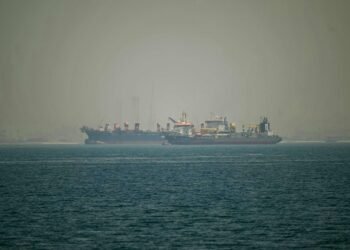
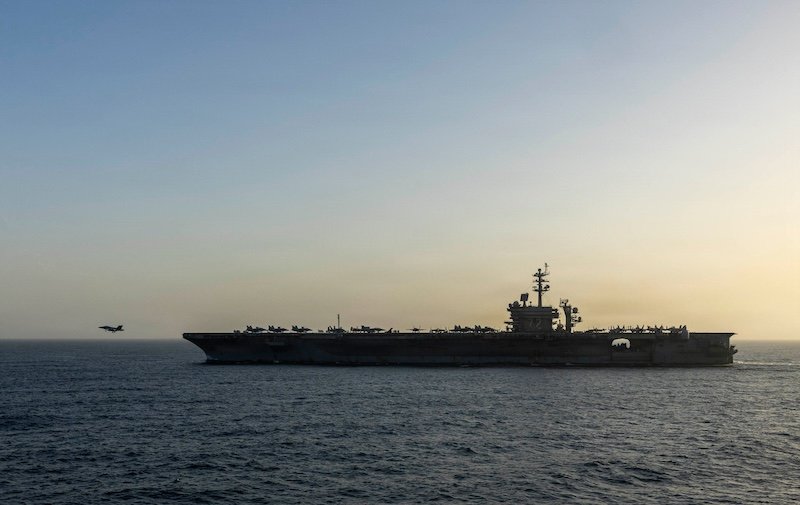
The standoff has centred on the Strait of Hormuz, a key route for global oil supplies. Iran has restricted passage in recent weeks as retaliation against strikes, while the US Navy has enforced a blockade of Iranian trade. Around 20 vessels passed through the strait during a brief reopening, but most traffic remains disrupted.
The conflict has affected energy markets and shipping routes. Brent crude traded near $98 per barrel, while analysts reported a shift in demand towards US oil exports. Data showed 71 large tankers heading to US ports compared with an average of 27 last year.
Global economic pressure has increased as the conflict continues. In the UK, inflation rose to 3.3% in March, driven by fuel costs. The Office for National Statistics said transport prices recorded the largest increase since 2022.
In the Gulf, countries reliant on oil exports have pushed for de-escalation. Kuwait, which depends on the strait for 90% of state revenue, has urged both sides to maintain the ceasefire. Regional officials warned that renewed fighting would disrupt global supply chains.
Violence has continued in southern Lebanon, as Israel keeps carrying out strikes and shelling. One person was killed in a drone strike in the Bekaa Valley despite a separate ceasefire between Israel and Hezbollah.
Israeli forces have also kept illegally occupying parts of the south, and established a “yellow line”, similar to the one in Gaza, allegedly meant to separate their forces from Hezbollah fighters. Officials have called for the annexation of southern Lebanon, stating that Israel needs to extend its borders. “The Litani River must become our new border with the State of Lebanon—just like the buffer line in Gaza,” Israel’s Finance Minister Bezalel Smotrich said in a speech last month.
Since February, fighting has killed at least 3,375 people in Iran and more than 2,290 in Lebanon, according to reports. Additional deaths have been recorded in Israel and Gulf states.
HT