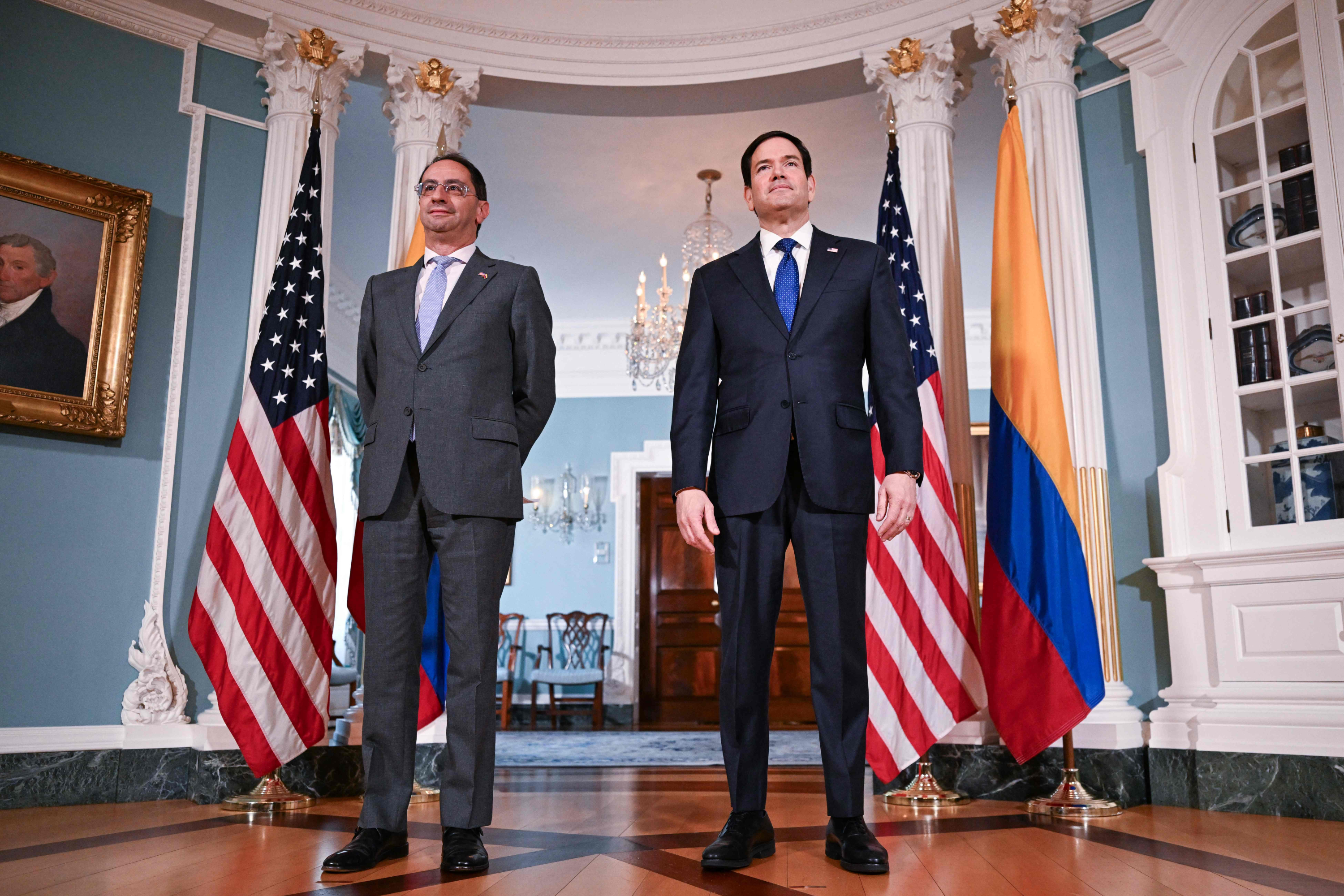
The new relationship between Colombia and USA It will revolve around five pillars. That was the central message of the first part of the vice president-elect’s tour, Jose Manuel Restrepoand the delegation of the elected president, Abelardo De La Espriella, in Washingtona visit that concluded this Wednesday with a 45-minute meeting with the US Secretary of State, Marco Rubio, which both parties described as “fruitful.”
READ ALSO
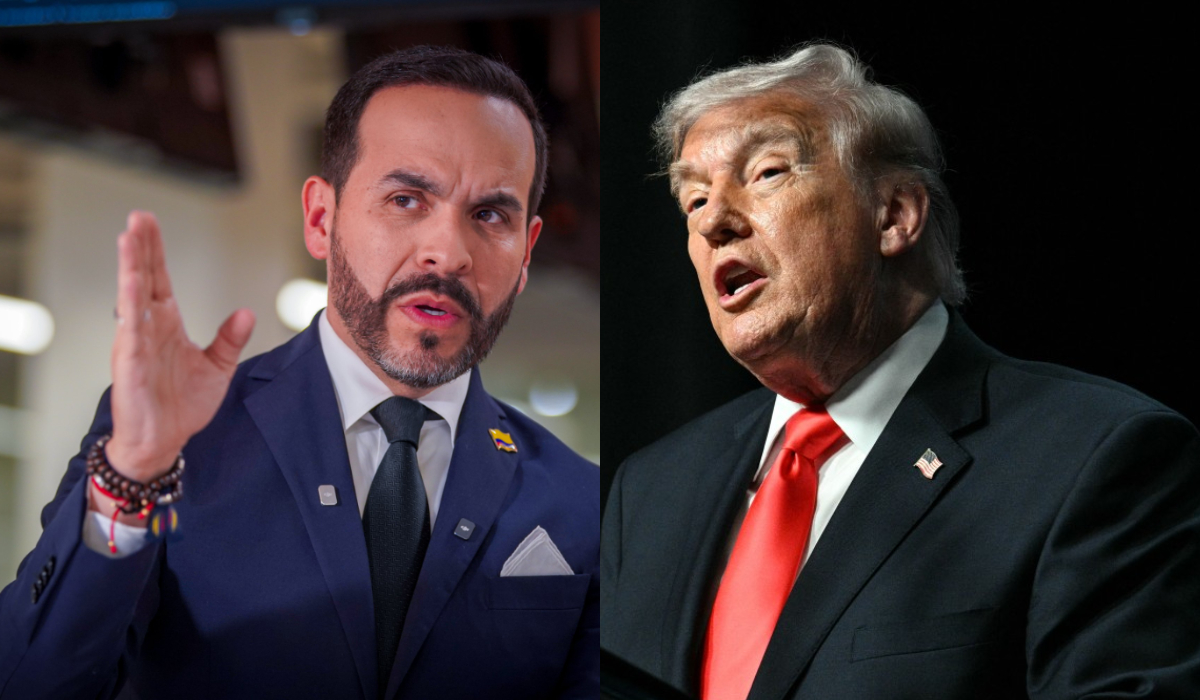
“We look forward to working with the next administration of President-elect Abelardo De La Espriella to strengthen security cooperation and expand economic ties”said Rubio, considered President Donald Trump’s right-hand man, at the end of the meeting.
During the meeting, Restrepo reiterated the interest of the next Government in joining the Shield of the Americasthe security coalition promoted by the United States, to “strengthen security cooperation, the eradication of illicit crops, the recovery of order and the strengthening of our Military Forces,” always “with absolute respect for national sovereignty.”
The vice president-elect added that the strengthening of the bilateral relationship seeks to translate into concrete benefits for Colombians, especially for the most vulnerable sectors.
José Manuel Restrepo in Washington with the director of the IMF, Kristalina Georgieva. Photo: @KGeorgieva/X
“All this work responds to a commitment to Colombian families, especially the most vulnerable. FStrengthening the alliance with the United States means generating more employment, increasing household income and accelerating the social transformation that Colombia needs.”he stated.
The five pillars of the Bogotá-Washington relationship
The five axes that will guide the bilateral relationship were presented on Tuesday at the Atlantic Council in Washington, before an audience made up of officials, analysts, businessmen and representatives of the diplomatic corps who came to learn first-hand about the priorities of the administration that will take power on August 7. The message was reiterated throughout the rest of the tour.
The first, explained Restrepo, It will be the expansion of bilateral trade and the attraction of foreign investment. To achieve this, he assured, the new government will seek to regain the trust of the markets, promote large infrastructure programs through public-private alliances, strengthen supply chains and turn Colombia into a platform for nearshoring for American companies interested in producing from the country.
READ ALSO
The second axis will be aimed at strengthening the economic and national security of both countries. The third will consist of consolidating Colombia’s role as a strategic ally of the United States and as a platform to promote the democratization of Venezuela.
The fourth pillar will be the defense of democracy and institutions, while the fifth will be focused on a prosperity agenda based on private investment and job creation.
During much of his interventions, Restrepo maintained that the country today is experiencing “a mixture of hope and optimism” after the presidential elections. In that sense, he recalled that one of the first decisions taken by the president-elect was to meet with the high courts and, later, with the board of directors of the Bank of the Republic, to convey a message of respect for institutional independence. “We are going to respect the institutions, even when they make decisions that we do not like,” he assured.
Colombia has important allies in both parties in the United States Congress.
In Washington we held meetings with Republican and Democratic congressmen who, over the years, have accompanied our country and supported the defense of its institutions… pic.twitter.com/9JwxNoS3US
— José Manuel Restrepo Abondano (@jrestrp) July 15, 2026
Congress and businessmen close ranks with the new government
One of the central moments of the agenda was the series of meetings with Republican and Democratic congressmen, as well as the participation of the delegation in the hearing ‘A new beginning for Colombia’, organized by the Subcommittee for the Western Hemisphere of the Foreign Relations Committee of the House of Representatives and chaired by Congresswoman María Elvira Salazar.
During the session, legislators from both parties agreed on the importance of maintaining Colombia as one of the main allies of the United States under the new government.
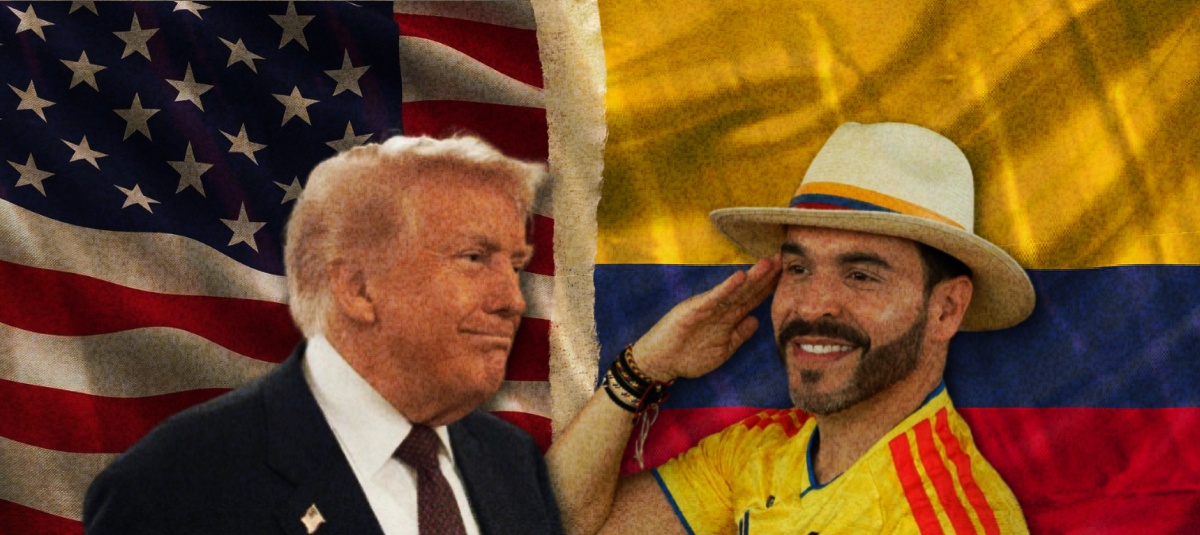
“Colombians chose prosperity, security and democracy when they elected De La Espriella. “He has committed to being a bold ally of the United States and we welcome that commitment, especially as our nations share a common cause: freedom, security and opportunity throughout the Western Hemisphere,” Salazar said in opening the hearing.
READ ALSO
For his part, Democratic Congressman Joaquin Castro, the highest-ranking member of his party on the subcommittee, highlighted that Colombia “is one of our main allies and I want that to continue.” However, he asked to maintain peace efforts and questioned the idea of replicating the megaprison model. “You cannot replicate what happened in El Salvador in Colombia,” he said.
Cartwright Weiland, deputy undersecretary of the Office of International Narcotics and Law Enforcement Affairs of the State Department, also participated in the hearing, who assured that, despite the tensions with Gustavo Petro’s government, bilateral cooperation was never interrupted. “We continue to collaborate with Colombia due to its strategic importance and we hope that this cooperation reaches a much higher level with the De La Espriella government”he stated.
Also testifying was Luis Méndez, deputy undersecretary for the Western Hemisphere of the State Department, who maintained that the Petro government’s policies weakened Colombian institutions. “Petro weakened the institutions and his policies were failed. That is why he was discredited. With De La Espriella we hope for a restart of relations,” he said.
Ilan Goldfajn, president of the IDB, and José Manuel Restrepo Photo:@igoldfajn
In addition to the meetings at the Capitol, the delegation developed an intense agenda with representatives of the American private sector. Earlier, Restrepo and the delegation were received by Neil Herrington, senior vice president for the Americas of the US Chamber of Commerce, and César Vence, executive director of the US-Colombia Business Council, at a meeting with more than 40 business leaders interested in investment opportunities in Colombia.
These meetings are added to the agenda developed during the first day of the visit, on Tuesday. That day, Restrepo and the designated Ministers of Commerce, Mauricio Gómez Amín, and of Finance, Miguel Gómez, held a meeting with representatives of the World Bank, who in the coming weeks will travel to Colombia to define, together with the De La Espriella government, a cooperation and investment package.
READ ALSO
During that meeting, the economic priorities of the elected government were presented: strengthening the health system, supporting rural producers, promoting tourism, consolidating manufacturing and training human talent. Restrepo also met with Nigel Clarke, deputy managing director of the International Monetary Fund (IMF), agency that will provide technical assistance to the new government to confront the fiscal deficit.
SERGIO GÓMEZ MASERI – EL TIEMPO Correspondent – Washington @sergom68
CAMILO A. CASTILLO — International Deputy Editor — X: @camiloandres894