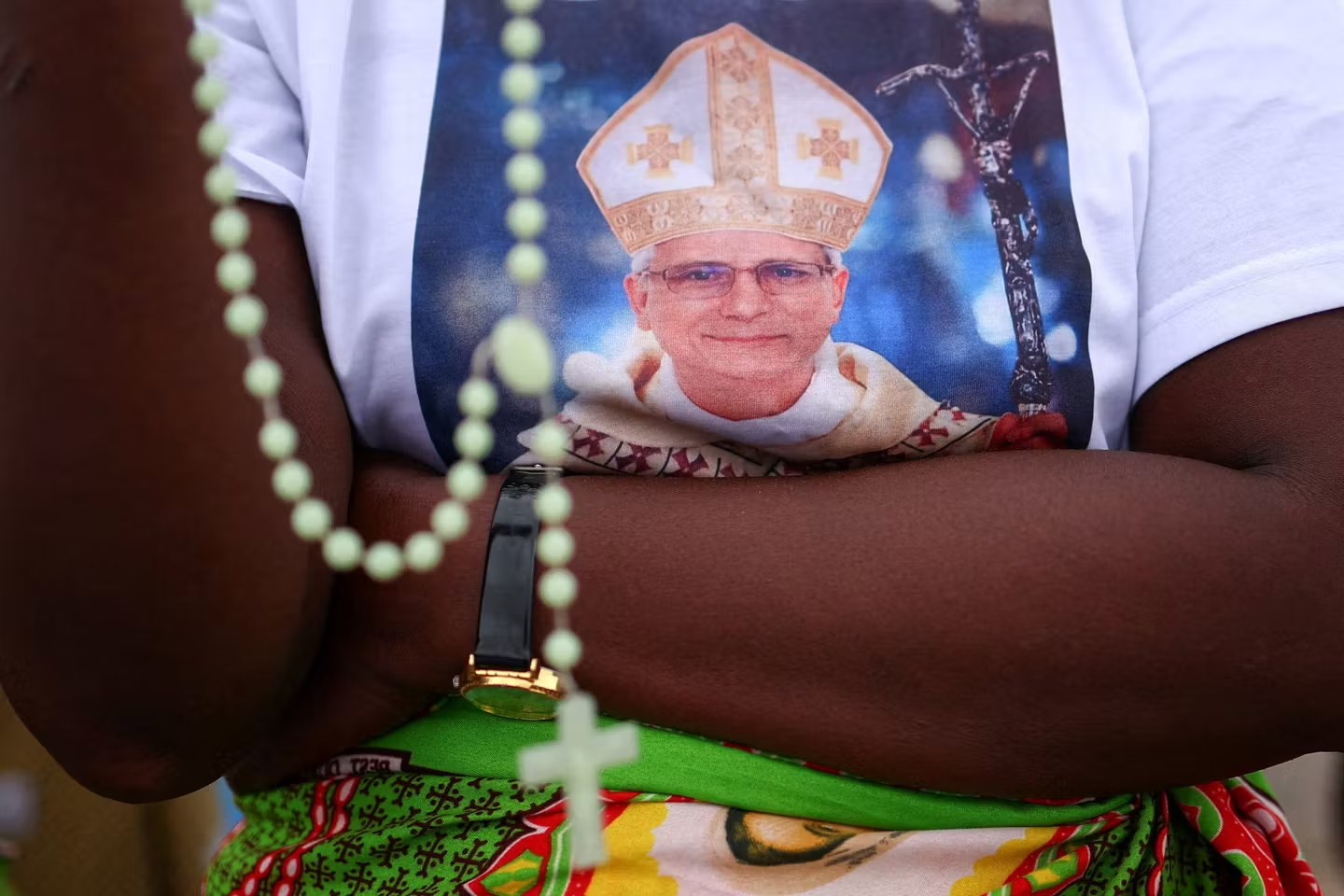
After a first year as pope marked by caution and restraint, Pope Leo XIV is now making his voice heard and directly challenging those in power. This reminder of their responsibilities was originally meant to be part of a lengthy apostolic tour across the African continent. But Leo XIV’s lesson took on a unique tone after repeated provocations from US President Donald Trump, who could not bear being criticized by the successor of Saint Peter regarding his chosen war against Iran.
Yet this admonition, consistent with the Catholic Church’s message of peace, was just as predictable as, from a military standpoint, Iran’s closure of the Strait of Hormuz in retaliation for the American and Israeli bombings. By attacking the pope for being “weak” and posting a Christ-like image of himself on his social network, Trump mainly offered yet another illustration of his fragile ego.
When, in 1978, Leo’s distant predecessor John Paul II uttered his famous “Be not afraid” during the inaugural mass of his papacy, it was widely interpreted as a message of hope by the former bishop of Krakow, in Poland, the scene of the upheavals that set in motion the collapse of the Soviet Union. Forty-eight years later, the first American pope echoed that phrase, declaring he was not “afraid” of the US president or his loyalists, including Vice President JD Vance, a recent convert, who felt it appropriate to lecture Leo on theology.
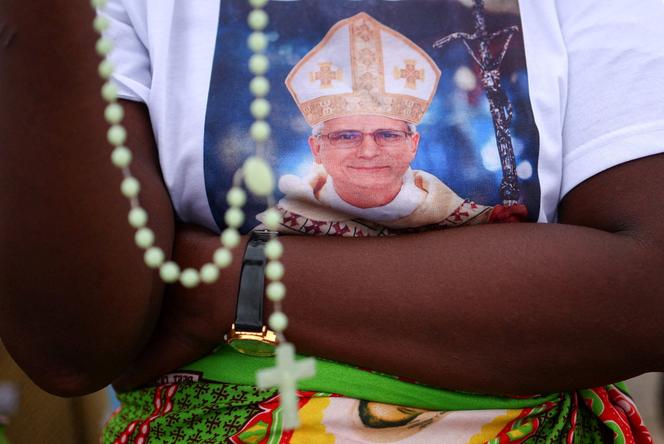
Throughout his stops on African soil, the pope demonstrated that he did not want to become mired in a superficial and futile feud, given Trump’s attitude. He used his voice to reaffirm the Catholic Church’s convictions and the strength of a spiritual power above the temporal. At every stop on his trip, the pope hammered home two themes: the importance of youth – crucial on a continent whose demographic vitality stands in stark contrast to the rest of the world – and the condemnation of the extractivist and predatory practices carried out there at the expense of the people.
In Algeria, in the presence of President Abdelmadjid Tebboune, the pope called on “those of you who hold positions of authority in this country” to “promote a vibrant, dynamic and free civil society,” five years after the repression of the Hirak movement for democracy. “Do not be afraid of disagreement; do not suppress the ideas of the young or the dreams of the elderly,” he later repeated in Angola.
In Cameroon, where the unyielding Paul Biya has held power for more than four decades, Leo likewise lamented a world “being ravaged by a handful of tyrants” and by corruption. He also condemned, as he did in Angola, “the hidden side of the environmental and social devastation caused by the frantic race for raw materials and rare earths,” which fuels wars and foreign interference on the African continent. The pope also warned against the misuse of artificial intelligence to stoke “polarization, conflict, fear and violence.”
None of these messages, which place Leo XIV in the tradition of Pope Francis, are fundamentally new. But the pope is determined to ensure they are not drowned out by the world’s turmoil.