The decision will come into effect on May 1, 2026 and was explained by the long-term development prospects of the UAE economy.
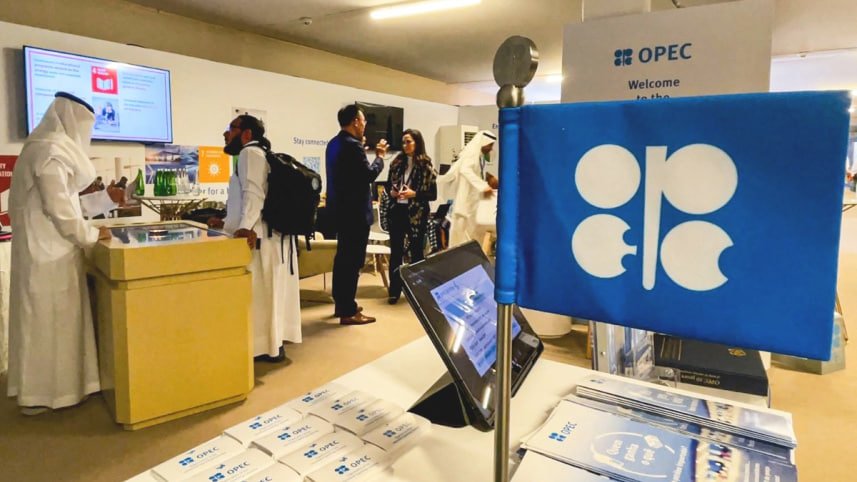
United Arab Emirates from the Organization of the Petroleum Exporting Countries (OPEC) and the OPEC+ Alliance exit officially announced. The decision will come into force on May 1, 2026. This was reported by the state news agency WAM with reference to the Minister of Energy Suhail al-Mazruyi.
Why is the UAE leaving?
The official reasons have not yet been fully disclosed, but sources attribute the decision to the backlash:
– Disputes on oil production quotas;
– Inadequate support from Gulf partners;
– Consequences of regional tensions, including recent events surrounding Iran.
The UAE is one of the founding members of OPEC (since 1967) and produces approximately 3-3.5 million barrels of oil per day. He has long expressed a desire for more freedom to increase mining. The country is actively investing in increasing capacity and plans to reach 5-6 million barrels per day in the coming years.
Implications for the market
The UAE decision will be a serious blow to OPeK+ unity. This can lead to:
– Increase in the volume of extraction of the Emirates outside the quota;
– Downward pressure on world oil prices;
– To new negotiations within the alliance.
Saudi Arabia and other members of the cartel are already preparing retaliatory measures. Analysts predict increased volatility in the oil market in the coming weeks.
Minister Al-Mazrui said: “We are grateful to our partners for many years of cooperation, but it is time to make independent decisions for the long-term development of the UAE economy.”