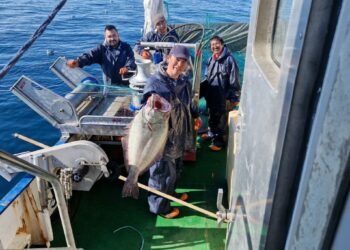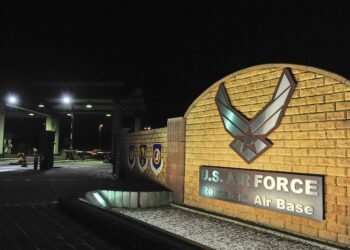
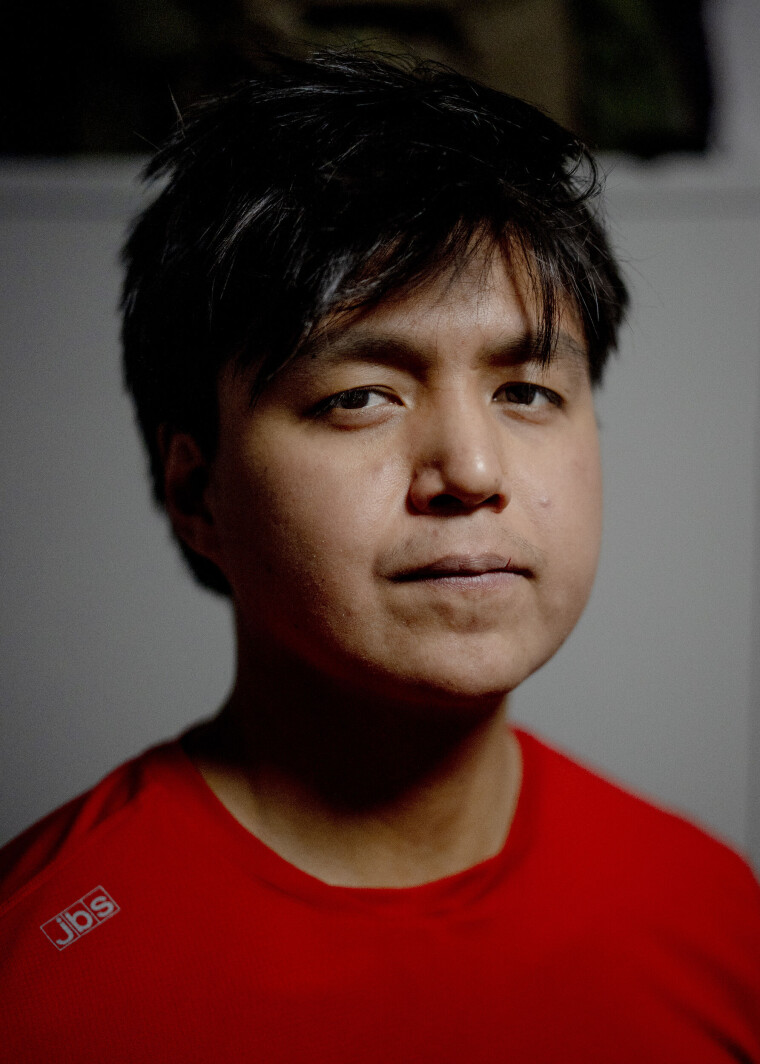
It is rare that killer whales come past Ittoqqortoormiit. The day they did, 24-year-old Hammeken sat in a small dinghy.
– I’m a little afraid of them because they’re so clever. We were on a very small boat. It was absolutely crazy, he says and continues:
– There were quite a few killer whales, but luckily we weren’t the only boat. It is the first time that we have caught an orca in Ittoqqortoormiit.
But how do you catch an orca?
– You just do it. Trying his way, as Hammeken dryly says.
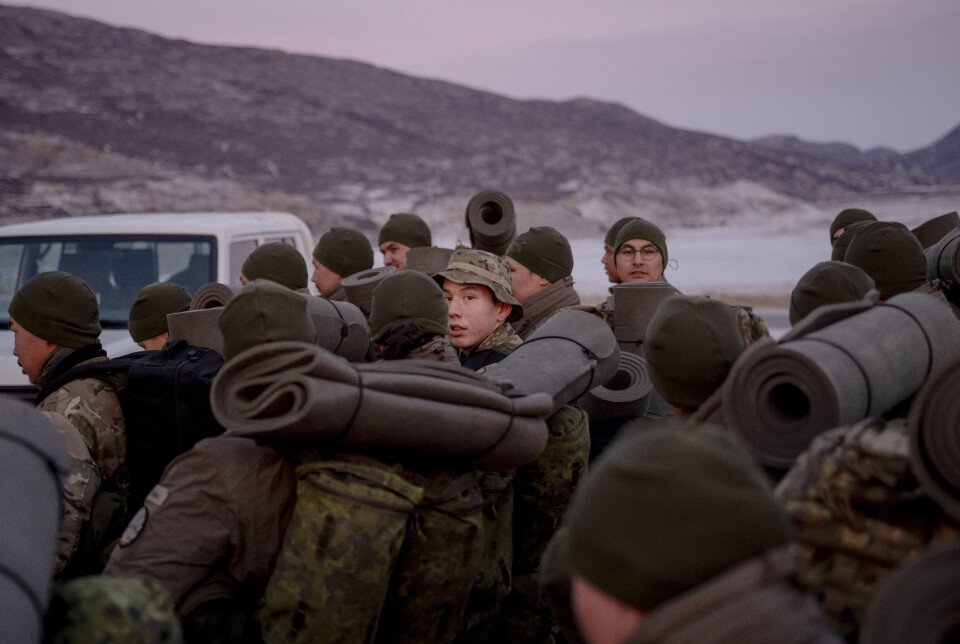
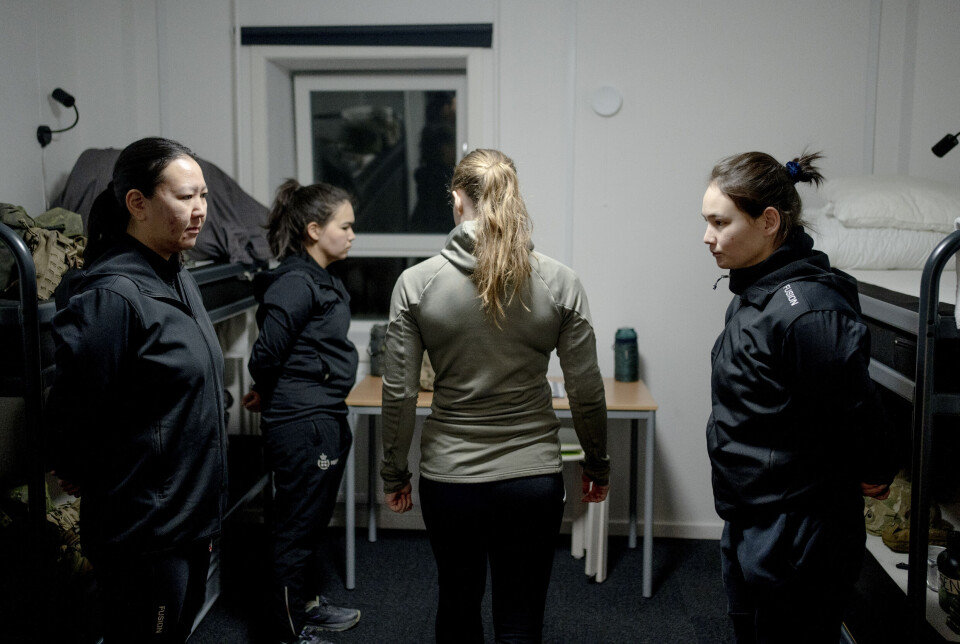
Now Hammeken stands straight, straight back and sleepy eyes, together with 23 other Greenlandic youngsters, in front of his room for the morning inspection. Most are in their early twenties, and roomies, communal baths and the play station in the common room could indicate that we are at a college. But we are far from doing that.
We are visiting the Greenlandic recruits at Arctic Basic Training in Kangerlussuaq. Hammeken is a quiet guy with big dreams, which takes him back to his hometown in East Greenland. Dreams whose seeds were sown during the education and which we will return to later.
As a child, Hammeken went on trips to the Bay of Whales or went hunting with his grandfather. He is used to behaving in nature. From the age of 18, he himself was a commercial prisoner. Often on a trip for several days alone.
One day Hammeken was scrolling on his phone. An advertisement appeared on Facebook for Arctic Basic Training. At first he just kept scrolling. But then “someone came with the ships,” as Hammeken puts it. Arctic Command had come to town to promote Arctic Basic Training. Hammeken went to their presentation, and just like when he had to catch an orca for the first time, he just jumped into it.
– After the presentation I thought “Why not?” It’s exciting to try something new. I applied together with my friend Danny, and now we are here, he says.
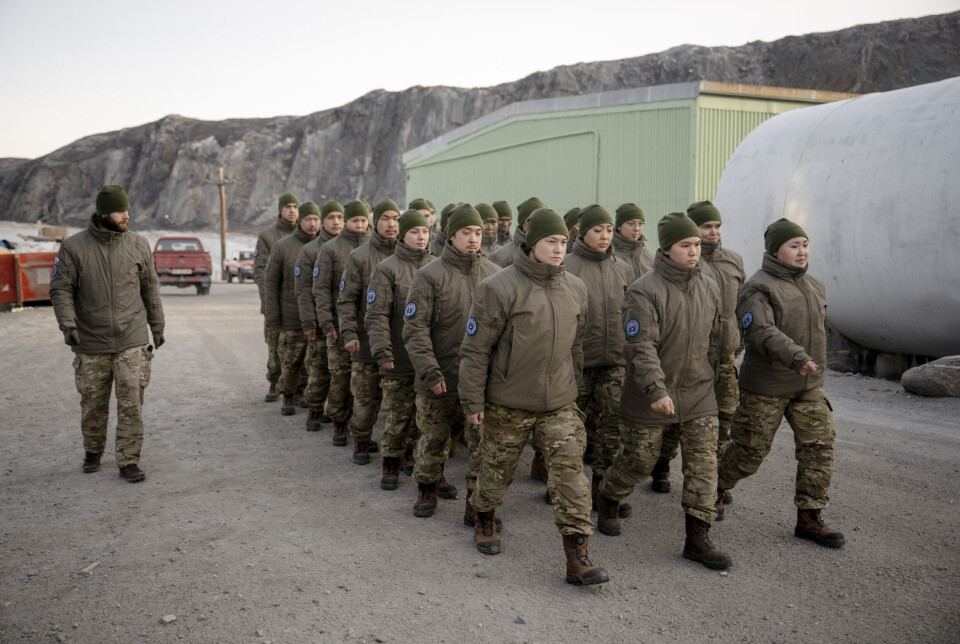
Robust youngsters with Erfalasorput on their shoulders
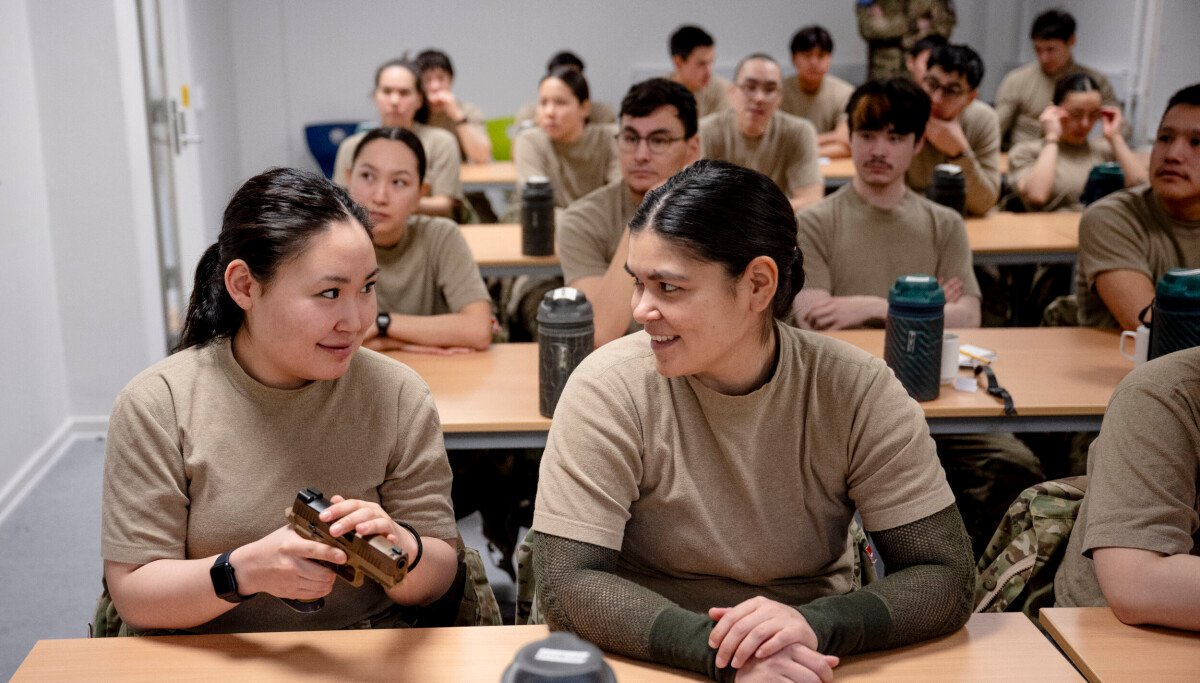
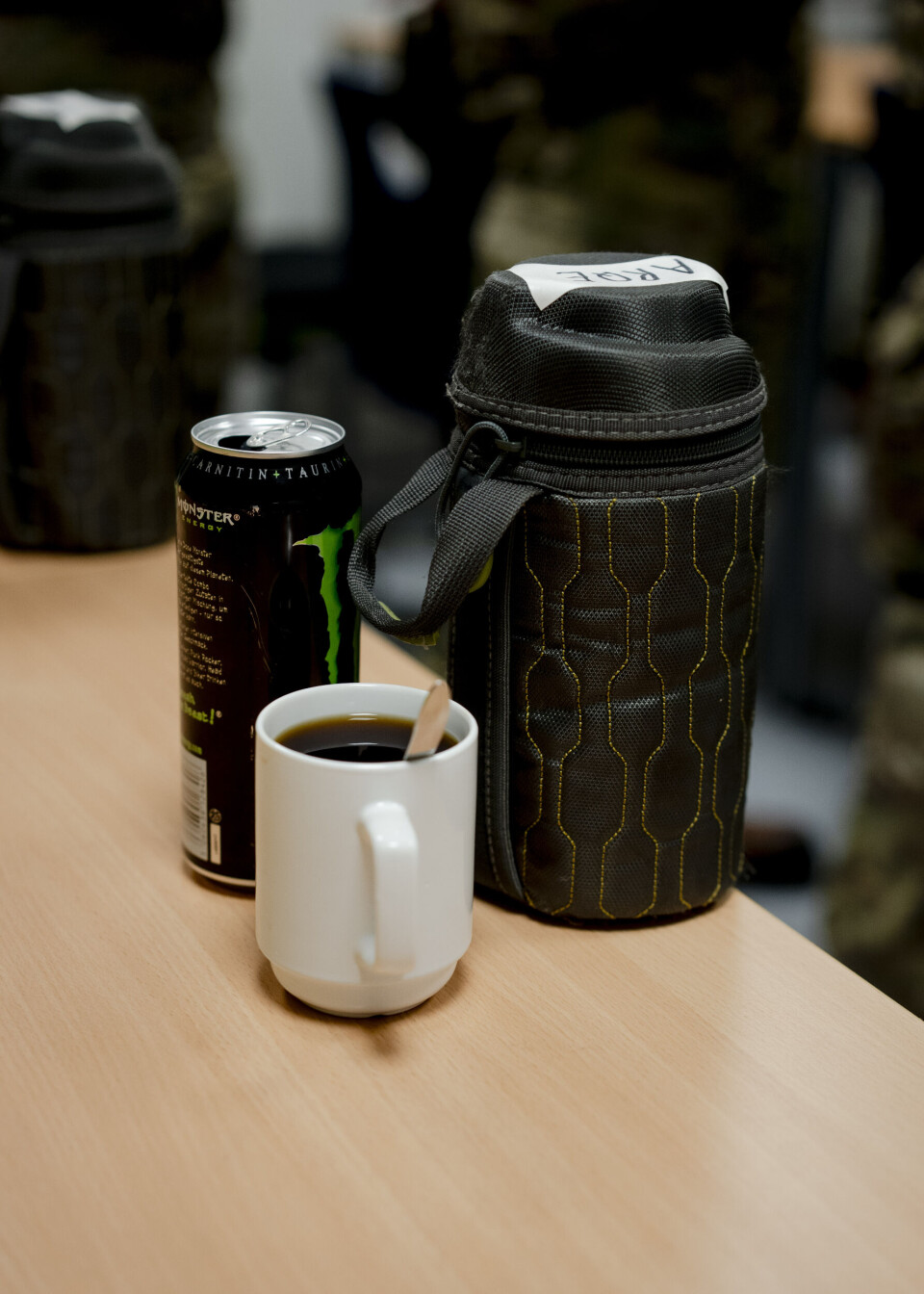
When the sleep is rubbed out of the eyes, and the caffeine from one morning monner bought from the vending machine in the common room has got the circulation going, the young recruits settle into a classroom. The program at Arctic Basic Education – or simply ABU – varies from day to day. The training, which is under the Arctic Command, provides military, maritime and emergency preparedness skills in one big conglomerate Greenlandic military suaasa. Young soldiers with special knowledge of Greenlandic conditions are sought after – especially in the times we live in.
– We hope that the young people will move on from here as strengthened individuals and as skilled soldiers, firefighters and policemen, so that they can go out and create resilience and security where they come from, says captain in the Norwegian Armed Forces and head of the training, Mathias La Cour Vågen, to the question of what kind of training the training actually is.
La Cour is a gentle man, with a sharp, close-trimmed beard, who took charge of the program back in September 2025.
A few days before, Mathias La Cour Vågen sat in a bouncy car on his way out to a shooting range practice and gave an interview to DR’s news podcast Genstart and Jyllands-Posten. TV2 and DR were visiting the week before. Most recently, the king visited Arctic Basic Education twice. Media coverage and grand politics have affected the education.
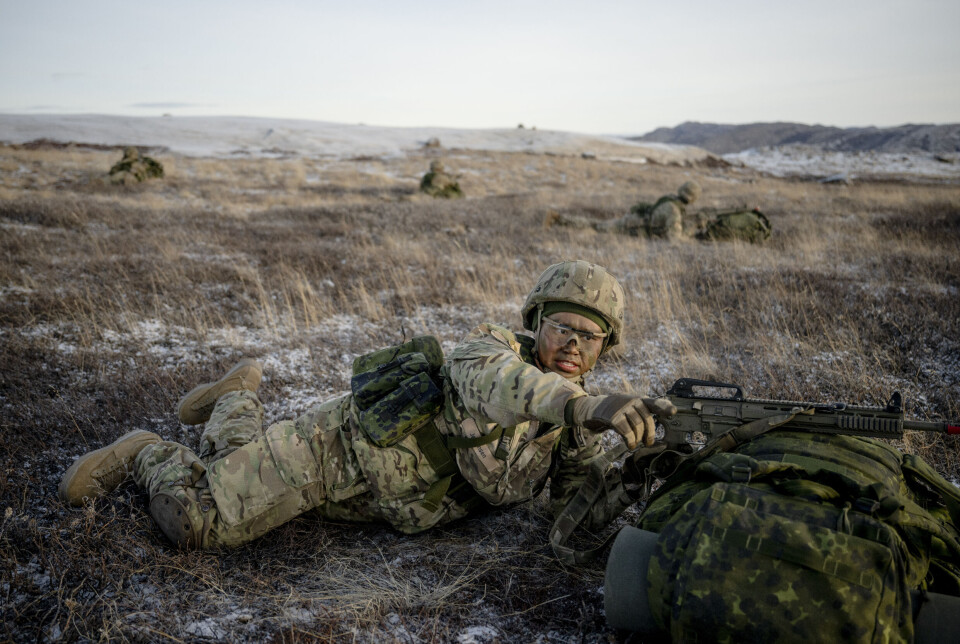
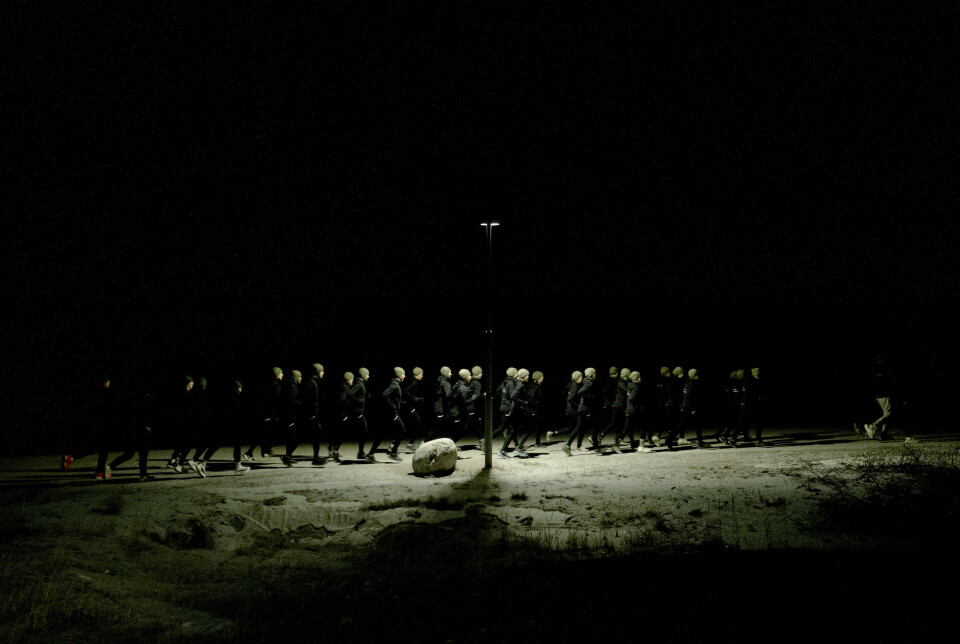
– We feel the geopolitical situation in such a way that we have contributions up here (in Kangerlussuaq, ed.) from the army, with whom we train. The students get the opportunity to collaborate and train with some who are further along in their careers with the Armed Forces. That way they get better at and manage to develop their skills, explains Mathias La Cour Vågen.
One of the reasons for the recent attention is the political decision to increase enrollment from 30 to 50 students from the coming cohort. The increased intake speaks to a general upscaling of the military presence in Greenland. But in the midst of media coverage and big politics, Mathias La Cour reminds Vågen that the students are young people with a focus on what is happening right in front of their own noses.
– There are all kinds of people around them (the students) who think big thoughts. They are in the present and have to come to terms with important people and journalists coming to visit. Something special for me is seeing how the young people wear the uniform with the Greenlandic flag proudly on their shoulders. They ask if they have the opportunity to travel in their uniform, and it is because they want to show that they are students at Arctic Basic Education and part of creating something big in Greenland. It touches me.
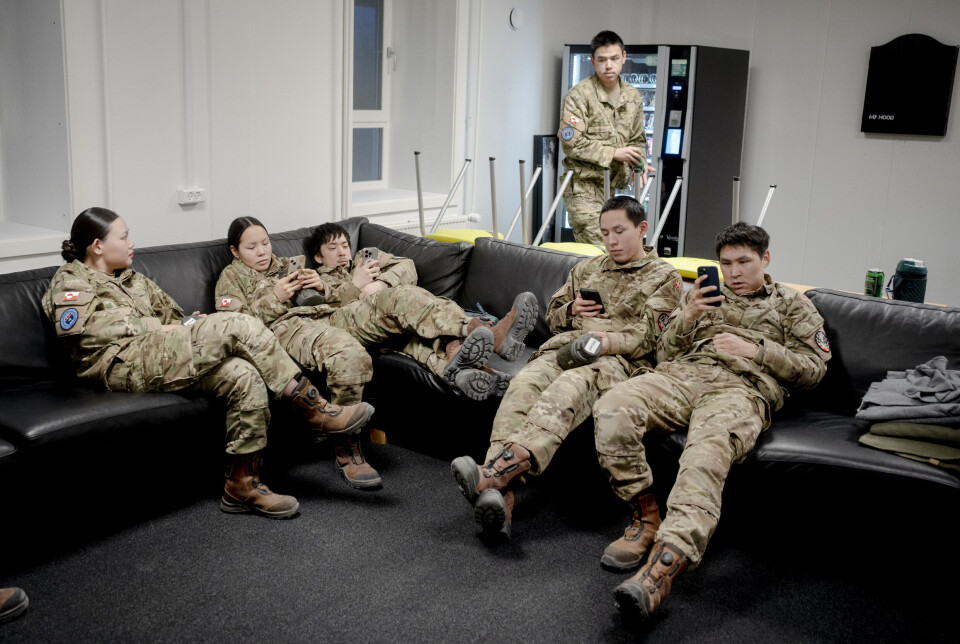
We are here to help them so they can defend their country
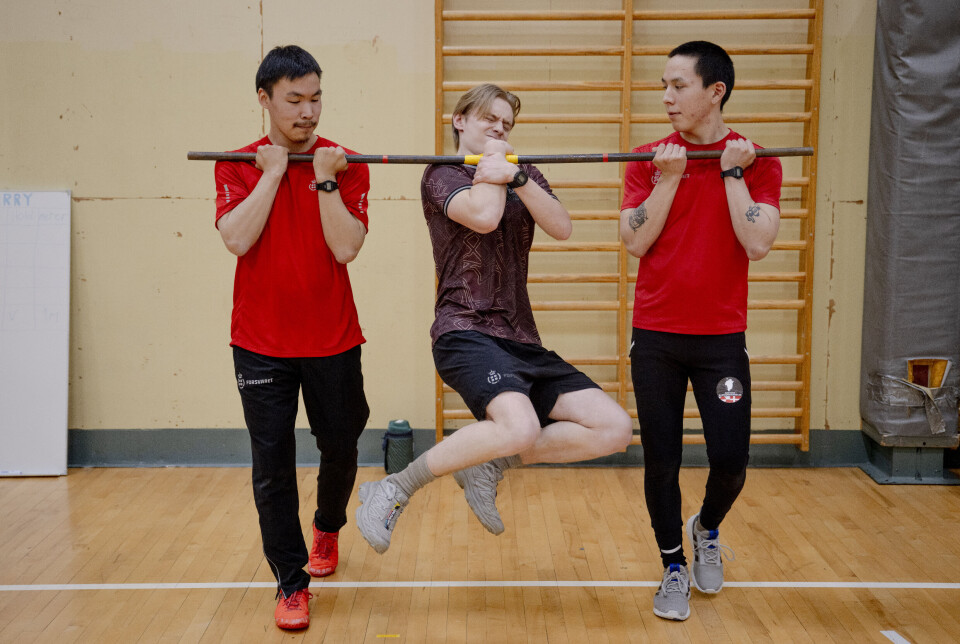
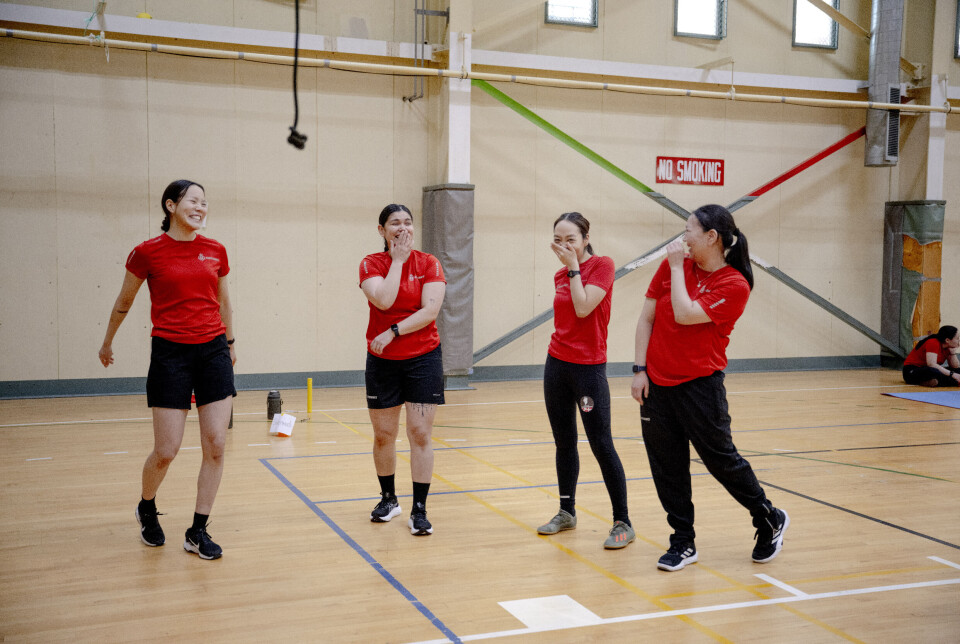
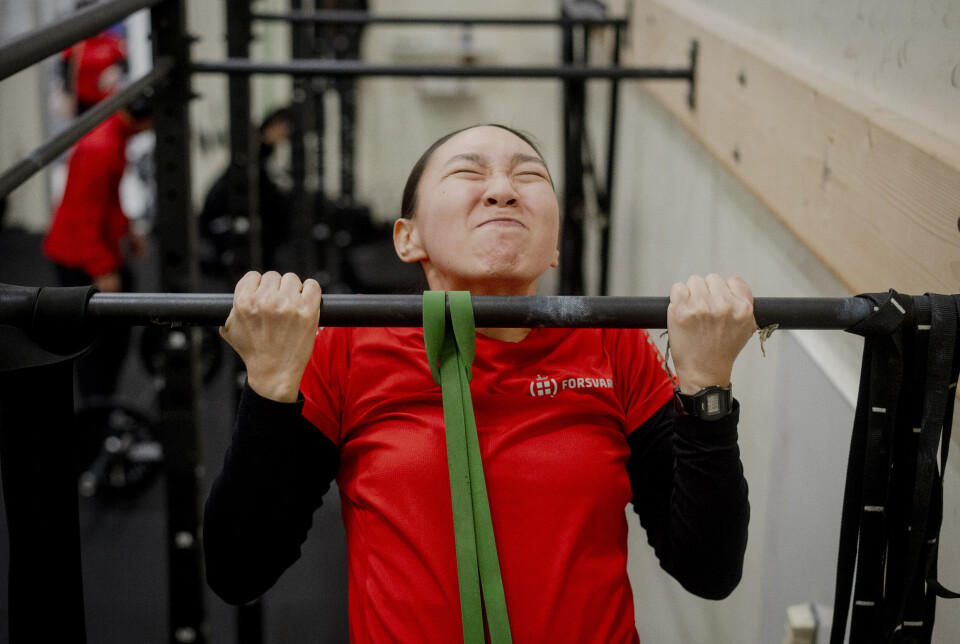
In matching red t-shirts with the text “Forsvaret” on the back, the recruits from ABU point and direct around the hall in Kangerlussuaq. It’s sports day, and ABU has invited other soldiers who, as part of the Danish-led military exercise Arctic Endurance is in Kangerlussuaq, to compete in the Arctic Games, as a kind of rich community cultural exchange. Freja Schmidt is one of the deployed soldiers from the Jutland Dragoon Regiment who is taking part in the sports day.
– We work together in the field, so this is a good way to get to know them (Arctic Basic Training). We are here to help them so they can defend their country. We are here because we want to, and not because we are forced to, says Freja Schmidt in the resounding hall.
After several hours of competitions in the Arctic Games, table football and chiefs’ ball, winners have been found. A mixture of soldiers from the Jutland Dragoon Regiment and the Medical Command take a narrow victory over Arctic Basic Training team 3.
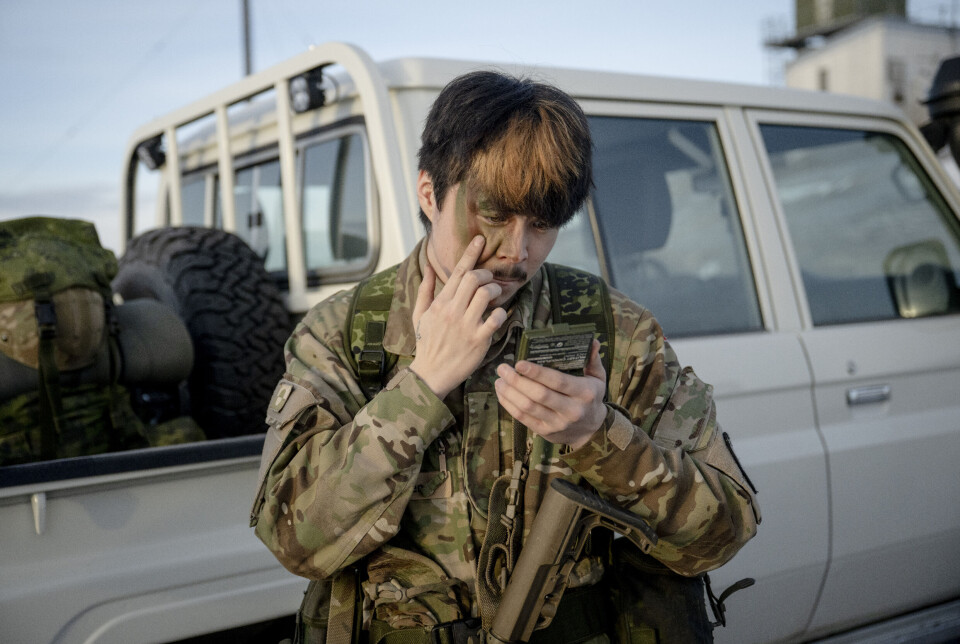
I have learned things that I can use for the rest of my life
24-year-old Hammeken probably did not expect that he would have sports day side by side with Danish soldiers when he applied to ABU. But it is perhaps very telling for this time. The only thing you can count on is that you can’t count on anything. Although Hammeken was ready to try something new when he started at ABU, he has also had to get used to a completely new life, he says. From steering his own sled to standing up straight at 7.30am.
– It was hard at the beginning. You went from freedom to a strict and structured everyday life, and it was a little difficult to talk to the other students at the beginning. They didn’t know where their boundaries were.
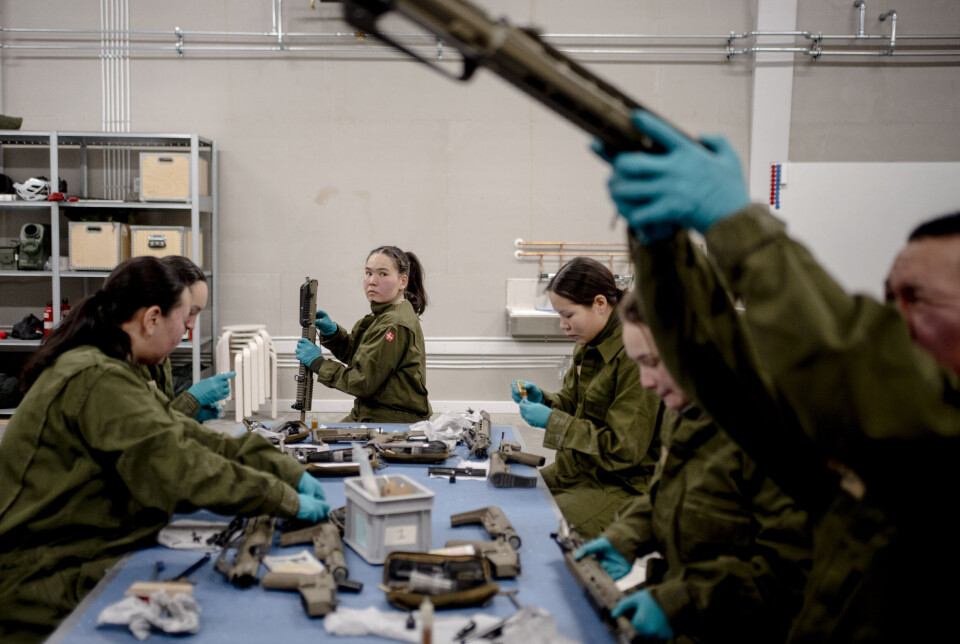
Despite a challenging start, however, Hammeken talks about a successful stay.
– You get used to it all, and I have learned things that I can use for the rest of my life. I have learned about discipline and made good friends.
And then we are back at the beginning. The education has given Hammeken the courage to do more defense in and of Greenland. He dreams of the patrol, which Trump has laughed at, but which is no laughing matter. The Sirius Patrol.
– It’s something that I know. Being out on the sled and in nature for several days in a row. I think I can. I think it would be exciting to be on a sleigh ride for several months and be with the dogs, Hammeken asserts.