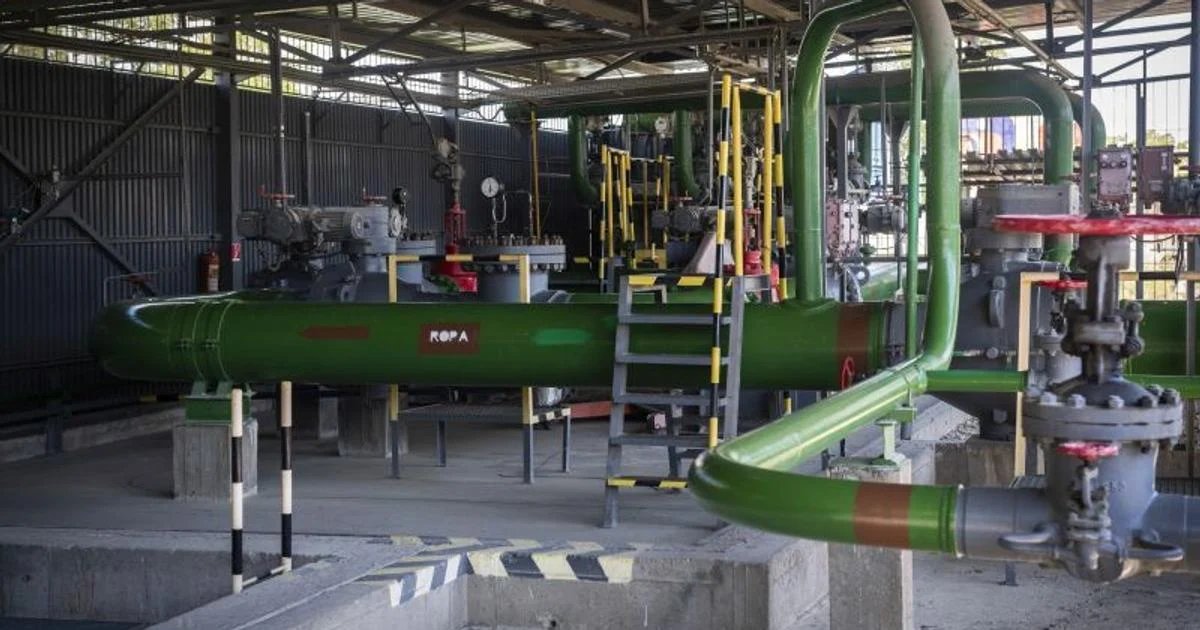
After a break of more than three months, supplies of Russian oil through the Druzhba pipeline could resume.
Ukrainian president Volodymyr Zelenskyi on social network confirmed that the repair of the Druzhba pipeline is finished and the oil can flow.
However, he added that no one can guarantee that the pipeline will not be damaged again by attacks from Russia.
According to Reuters Ukraine will resume deliveries of Russian oil to Hungary and Slovakia via the Druzhba pipeline already this afternoon. (updated 4/22/2026 at 10:00 a.m)
“MOL has already submitted requests for the first volumes, which will go to Hungary and Slovakia in equal proportion,” reports Reuters. MOL is the parent company of the Slovnaft refinery.
According to the Ministry of Economy, the process of pressurizing and filling the pipeline on the Ukrainian side will begin today, but oil supplies to Slovakia should only be resumed on Thursday. (updated 22/04/2026 at 11:21)
According to earlier agency sources Bloomberg from Ukraine his technical tests are scheduled for Tuesday.
This was a signal that the pipeline, which was damaged by Russian drone attacks in late January, would be operational again in the coming days.
The Slovak Prime Minister pressed for the restoration of the transportation of Russian oil Robert Fico and the outgoing Hungarian Prime Minister Viktor Orbán.
Without convincing evidence, they accused the Ukrainian president of delaying the repair of Druzhba. Orbán even blocked a 90 billion EU loan for war-torn Ukraine.
At the beginning of this week, the future Hungarian prime minister Péter Magyar he called Zelensky, so that the Ukrainians make Druzhba functional as soon as possible.
Zelenskyy said last week that the pipeline should be back in operation by the end of April.
It does not necessarily need Russian oil
The re-commissioning of Druzhba does not mean that oil will immediately reach the Bratislava refinery.
“The raw material moves through the pipeline at the speed of a person running easily. Even after checking the functionality and resuming transportation, it will therefore take several days for the first deliveries to reach Slovnaft,” explains analyst Radovan Potočár.
Although Slovnaft has already “switched” almost one hundred percent to non-Russian oil, which it imports through the Adria pipeline from the Croatian port of Omišalj, it is likely that it will also return to Russian oil.
“If transport by Druzhba is restored, MOL and Slovnaft (Hungarian MOL is the parent company of Slovnaft – editor’s note) they will partly dampen the import of oil from the Adriatic,” Potočár thinks.