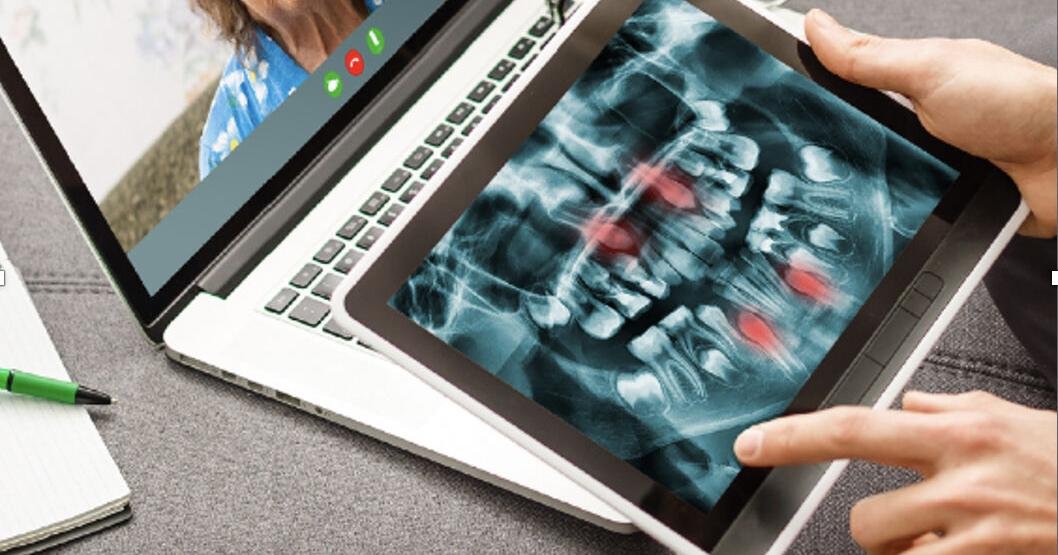
The future of dentistry is no longer limited to the dental chair. It is now appearing on smartphones, laptops, tablets, and wearable devices through a rapidly growing field known as teledentistry. By combining dental expertise with digital communication tools, teledentistry is helping patients receive faster advice, improved access, and more convenient care than ever before.
Teledentistry refers to the use of secure video calls, digital photographs, messaging platforms, and remote monitoring systems to connect patients with dental professionals. While it does not replace every in-office visit, it has become a powerful tool for consultation, screening, education, follow-up care, and treatment planning.
One of the greatest benefits of teledentistry is improved access. Many individuals delay dental visits because of busy schedules, transportation challenges, mobility issues, fear, or living in remote communities. A virtual consultation can often bridge that gap. Instead of waiting weeks or months to ask a question, a patient may be able to speak with a dental professional from home and receive guidance within a short time.
Imagine a parent whose child chips a tooth on a weekend. Rather than panic, the parent can arrange a virtual consultation, show the injury through video or photos, and receive immediate advice on whether urgent treatment is needed. The same applies to swelling, gum irritation, broken fillings, orthodontic concerns, post-surgical healing checks, or denture discomfort.
Another exciting advancement is remote monitoring. Patients undergoing orthodontic treatment, gum therapy, implant healing, or cosmetic care can send progress photos and updates to their dental team. This allows the dentist to monitor healing, track progress, and determine whether an office visit is necessary. In many cases, problems can be identified earlier, saving time, discomfort, and cost.
Digital health tools are also changing patient habits. Smartphone reminders can prompt brushing, flossing, aligner wear, or medication schedules. Educational videos can teach proper hygiene techniques. Some smart toothbrushes even track brushing patterns and provide feedback to improve oral hygiene.
However, teledentistry has limits. Cavities still require treatment. Cleanings still need hands-on care. X-rays, surgical procedures, and many diagnostic tests require an in-office appointment. Think of teledentistry not as a replacement for dentistry — but as an extension of it.
So how can patients practically use teledentistry today?
Start with a virtual consultation: If you have discomfort, questions, or uncertainty, ask whether your dental office offers video consultations.
Use clear photos: Good lighting and close-up images of the mouth can help your dentist better assess concerns.
Keep regular checkups: Virtual care works best when combined with routine examinations and cleanings.
Follow digital instructions: If your office sends reminders, educational resources, or follow-up requests, engage with them.
Choose secure providers: Always use reputable dental offices that protect privacy and use professional communication platforms.
Teledentistry is especially valuable for seniors, busy professionals, parents with young children, people with disabilities, and residents of the Family Islands and underserved communities.
Technology is making dentistry more connected, responsive, and patient-friendly. The healthiest smile of the future may begin not only in the dental office — but also with a click, a camera, and a caring professional on the screen.
- Dr. Kendal V. O. Major is the founder and CEO of Center for Specialized Dentistry, which is a comprehensive family dental practice operating in Nassau and Freeport. He is the first Bahamian specialist in gum diseases and dental implants since 1989. He is also a certified Fastbraces provider. His practice is located at 89 Collins Avenue, Nassau at (242)325-5165 or kmajor@csddentistry.com.