
BAG Director warns of a rise in multi-drug-resistant bacteria
Keystone-SDA
Multidrug-resistant bacteria are becoming increasingly widespread in hospitals. They pose a major challenge to public health, warned Anne Lévy, director of the Federal Office of Public Health, on Monday during a visit to Lausanne University Hospital.
Hospitals need to step up their efforts to contain such pathogens, Lévy said. Every year, around 60,000 people in Switzerland become infected while in hospital, in some cases with pathogens that are difficult to treat.
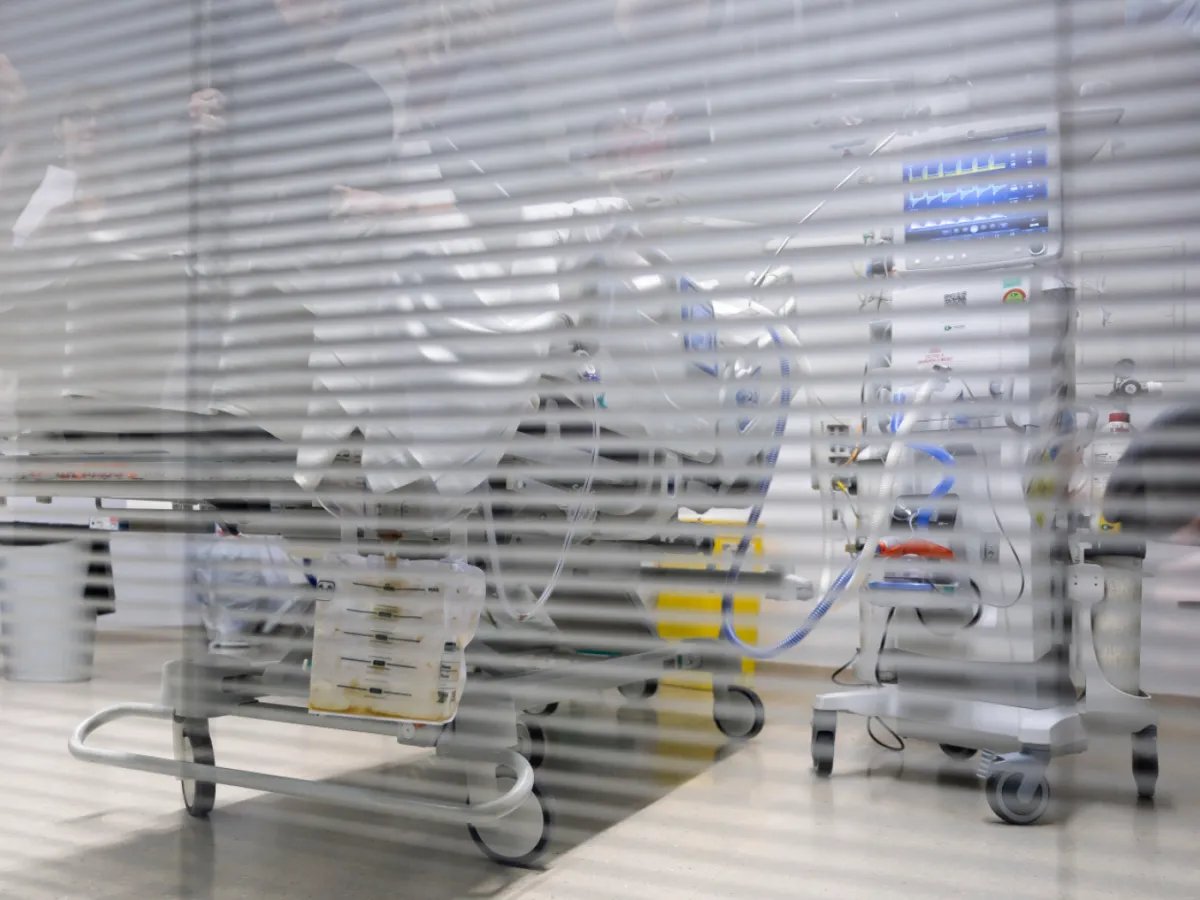
Patients in intensive care are particularly at risk. They are often seriously ill and rely on medical devices such as catheters, ventilator tubes or urinary catheters. These can provide entry points for bacteria into the body, explained Laurence Senn, head of Hospital Preventive Medicine at the Lausanne University Hospital (CHUV).
Added to this is the frequent use of antibiotics: around three-quarters of intensive care patients are given such medication. While these combat pathogens, they also weaken the body’s natural bacterial flora, which protects it against infections.
More

More
Your questions answered: Are there alternatives to antibiotics?
Weekly tests
To prevent the spread of resistant pathogens, the CHUV systematically screens patients in the intensive care unit every Tuesday for four multi-resistant bacteria. Patients transferred from hospitals abroad are also tested on arrival.
Hygiene also plays a key role. Surfaces close to patients, such as bedside tables, drip stands and bed frames, are disinfected daily. Washbasin drains are cleaned weekly and tested for bacteria once a year. However, hand hygiene remains the most important preventive measure, emphasised Senn.
+ How we produce news in English
Translated from German, reviewed by an English Department journalist.