Trade union umbrella group Travail.Suisse on Monday called for a general wage increase of 2% next year.
Keystone-SDA
Switzerland’s wage negotiations for 2027 are shaping up to be tense. Trade union umbrella group Travail.Suisse on Monday called for a general wage increase of 2% next year. The Swiss Employers’ Union (UPS), however, said an average pay rise of around 1% would be more in line with the economic outlook.
Travail.Suisse said its 2% demand was an average that would vary by sector. In healthcare, for example, affiliated union Syna is seeking increases of 5% to 6%, citing years of low wage growth that have led to a sharp decline in purchasing power.
The union points to a decade-long stagnation in real wages. This has led to a deterioration in households’ financial situation, exacerbated by a sharp rise in the cost of living, noted Thomas Bauer, the umbrella organisation’s head of economic policy, speaking to the media.
More

More
Life has become more expensive in Switzerland – despite low inflation
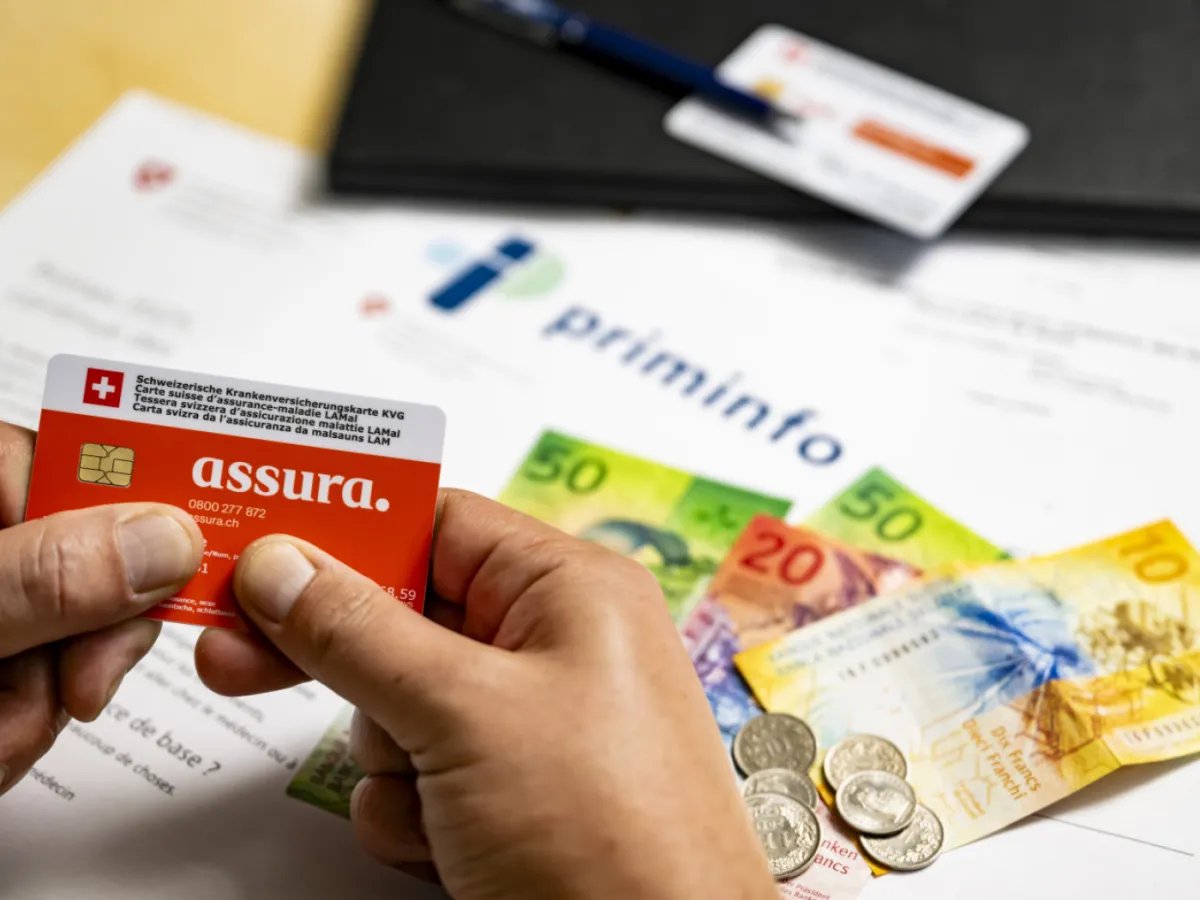
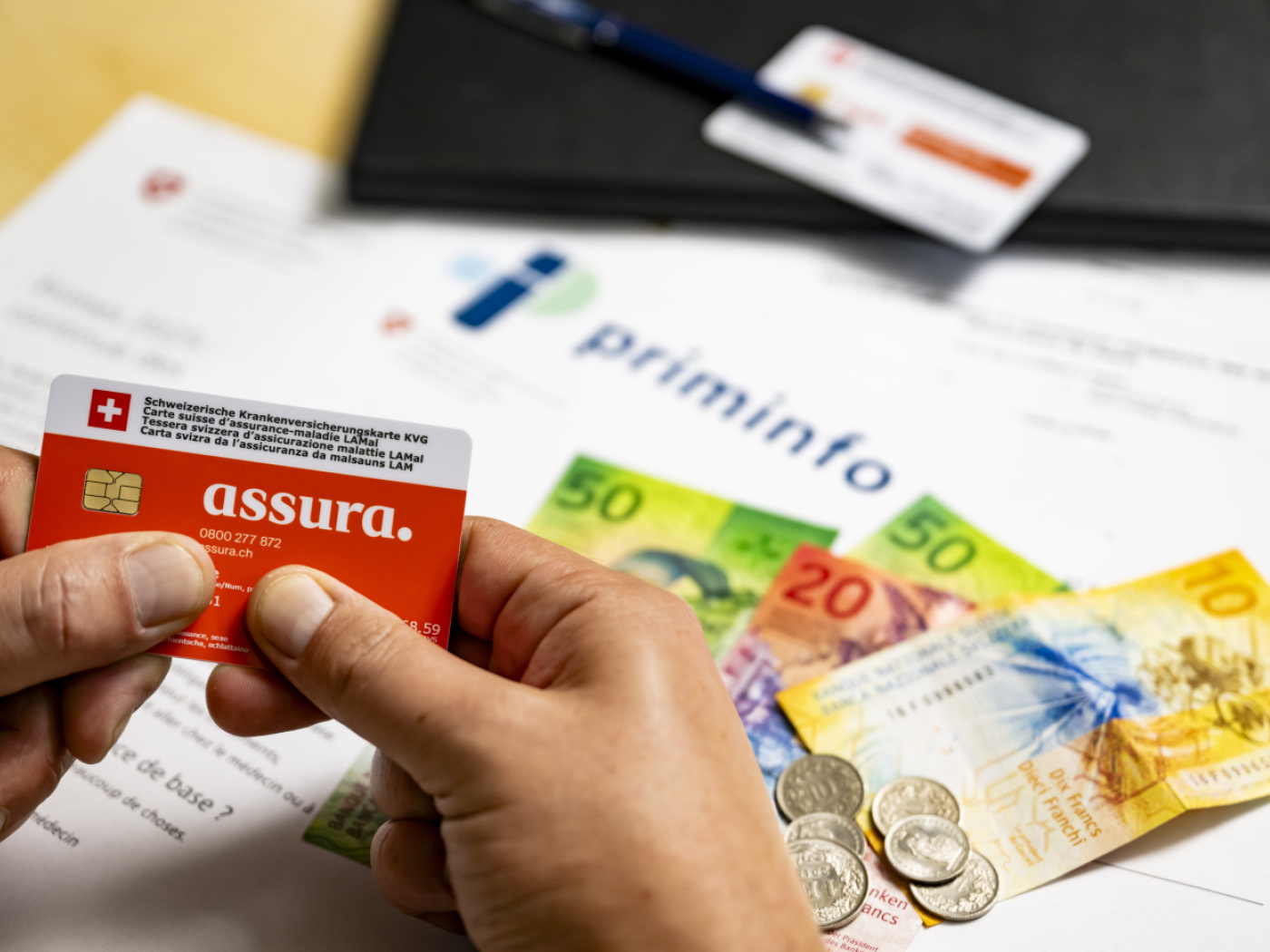
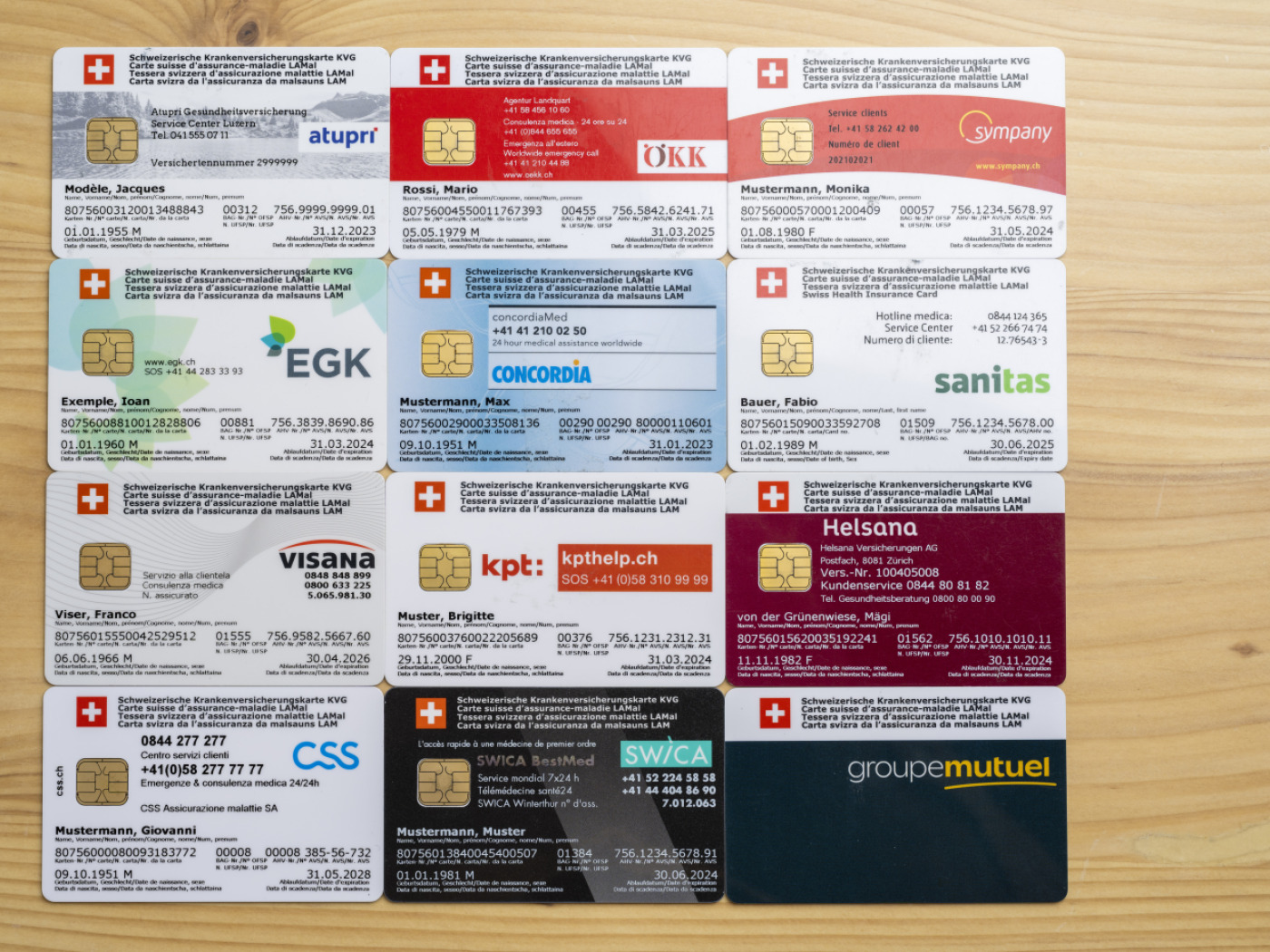
Health insurance premiums, which are not factored into inflation calculations, are a particularly heavy burden. Taking account of both inflation and higher health insurance costs, purchasing power among middle-income households is estimated to have fallen by between 1.5% and 1.9% from 2022 through the end of 2026, Travail.Suisse said.
The organisation also points to what it describes as a growing disconnect between wages and productivity. While productivity increased by an average 1.4% a year between 2017 and 2026, real wages have not kept pace.
“Added value is based on labour. And if the added value per hour worked increases, it must also benefit those who generated it,” said Bauer. According to the trade union organisation, it is mainly income from capital that has benefited from this growth.
Employers put the brakes on
The Employers’ Union rejected the unions’ analysis as disconnected from an economy facing weak growth and heightened geopolitical uncertainty. It said preserving jobs should remain the priority.
The UPS also disputed the claim that companies have retained productivity gains at workers’ expense, arguing that unions rely on an inappropriate measure of wage growth.
More

More
Growing financial strain hits Swiss middle class
The UPS says that if a correct basis for comparison is used – namely, total employee remuneration per hour worked – real wages have risen at least as sharply as productivity since 2014. It believes that the Swiss wage index, used by the trade unions, systematically underestimates the actual growth in earnings, as it does not take into account promotions or moves into higher-paying positions.
The burden of health insurance premiums
Both sides agree that rising health insurance premiums are weighing heavily on households, but their conclusions differ. The UPS notes that in 2025 disposable income rose by CHF48 per person per month, whilst the net increase in premiums absorbed CHF12 of this; this left a gain of CHF36.
For Travail.Suisse, rising health insurance premiums strengthen the case for substantial pay rises. Employers, meanwhile, believe the problem must be resolved through measures to tackle healthcare costs.
More
More
Swiss health insurance premiums set to rise by 5% in autumn
How we produce English news
Translated from French, reviewed by an English Department journalist.