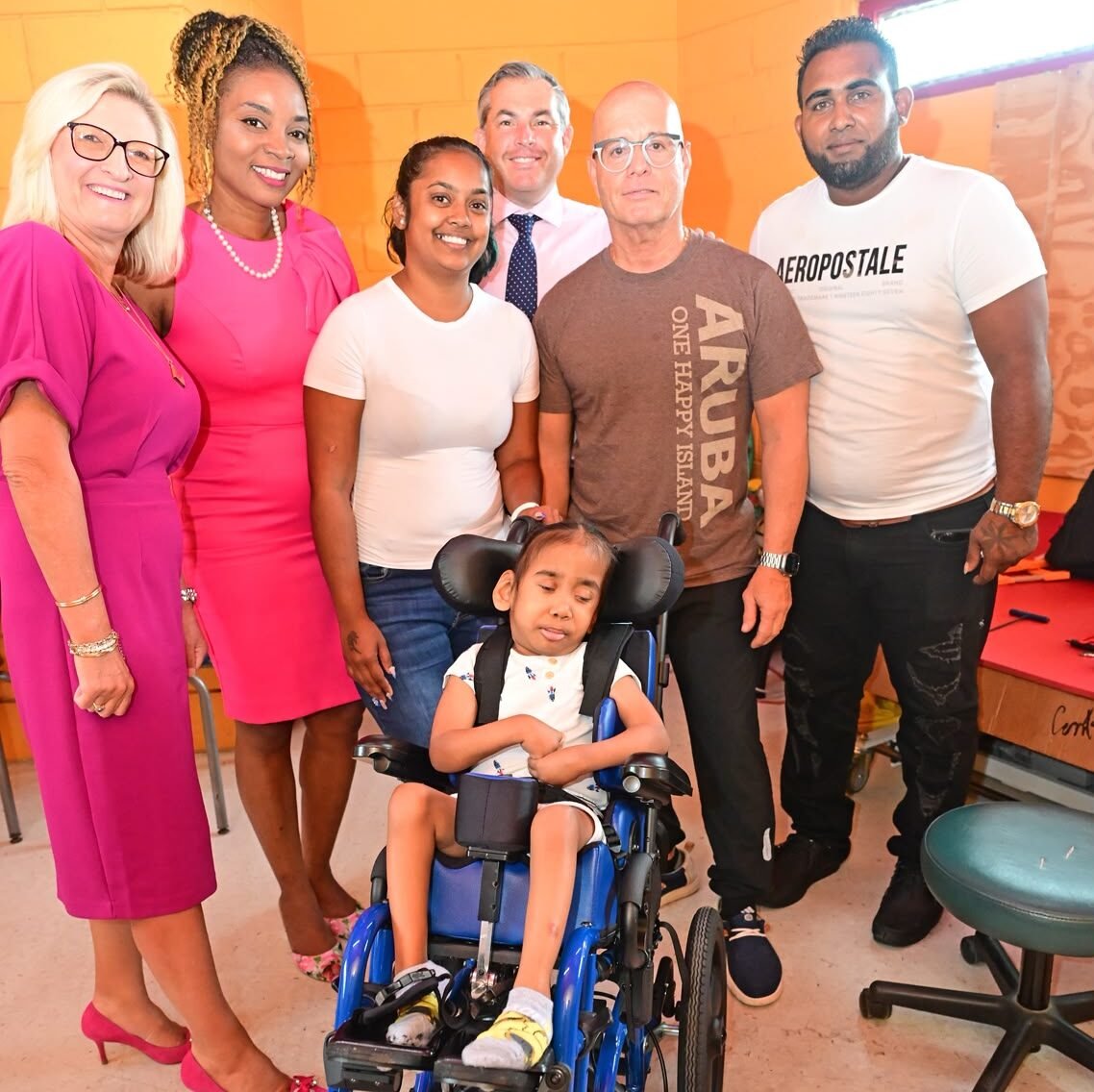
Children with mobility challenges are now riding in specialised wheelchairs designed to improve their posture, comfort and independence through an annual clinic supported by the Sandy Lane Charitable Trust.
The wheelchair clinic, held at the Albert Cecil Graham Development Centre, brings together Barbadian physiotherapists and technicians from Puerto Rico to assess, retrofit and customise wheelchairs to meet the individual needs of children.
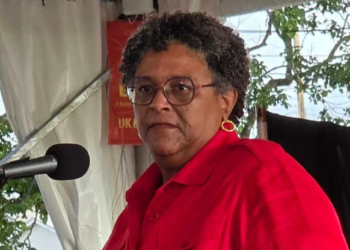
Physiotherapist Yvonne Wnuck-Ward said the initiative, which has been running since 1998, plays an important role in helping children access education and participate more fully in everyday life.
“Right now we’re doing our annual wheelchair clinic, and that means we provide customised seating for children who need the mobility, assistance with their posture.”
Wnuck-Ward explained that the specialised seating does more than provide mobility assistance, as proper positioning can also help prevent health complications.
“When you’re just lying down, you’re at risk as well if you’re severely involved as a patient to have contractures and deformities.”
Correct alignment can have an impact on vital bodily functions, she added.
“Alignment, which makes a huge impact on vital functions as well, breathing, digestion.”
Wnuck-Ward said each wheelchair is customised to suit the individual needs of the child, with assessments carried out by physiotherapists at the centre.
“The physiotherapy department belongs to the Albert Cecil Graham Development Centre, and patients who are referred, we decide then if they need physiotherapy and then the physiotherapist evaluates and decides, oh, are they in need of mobility assistance like a wheelchair?”
The children are assessed for their need for mobility support and whether they are at risk of conditions such as contractures and scoliosis, curvature of the spine.
The specialised wheelchairs represent a significant investment, with some costing about US$8 000 ($16 000), depending on the features required.
“Over the years it has increased. It has a lot of special features,” Wnuck-Ward said.
She noted that individual components, including headrests, seatbelts and support straps, also carry significant costs, which makes ensuring the correct fit and durability important.
“Each child is very individualised, and we make sure we get the right fit for everybody,” she said.
Wnuck-Ward said the chairs are designed with growth adjustments, allowing them to be extended as children get taller and bigger.
“Children grow, get taller; we can extend to see if they put on size, they get bigger.”
Once a child completely outgrows a wheelchair, it can be refurbished and used by another child, she added.
Wnuck-Ward revealed that the centre continues to provide wheelchair services year-round.
“Throughout the year we have weekly wheelchair clinics, so in addition, we fit like maybe 30 patients.”
She said physiotherapists have also been trained to handle many wheelchair-related needs, with only more complex cases requiring the support of visiting specialists.
“We can do adjustments if a child grows, we can do repairs if something breaks down like the tilt mechanism on a wheelchair or the brakes or anything.”
Wnuck-Ward said the ongoing support ensures children continue to have access to equipment that improves their quality of life and allows them to participate more fully in school and community activities.
Pippa Challis, trustee of the Sandy Lane Charitable Trust, praised the dedication of the physiotherapy team, saying their commitment is what drives the success of the programme.
“It’s their passion. They do it day in and day out, and it really is their dedication to these very, very special children that drives this.”
While the Trust provides funding and support for the initiative, the physiotherapists are the ones who work closely with the children and understand their individual needs, Challis said.
“They tell us what’s needed, and they deal with these children on a day in and day out basis.”
(LG)