PARAMARIBO — The Ministry of Social Affairs and Housing (Sozavo) is undergoing a fundamental policy change. The focus shifts from passively providing material support to active family strengthening and encouraging self-reliance. In addition, efforts are underway to modernize and clean up the stock to increase efficiency, ensuring that released resources reach citizens who need them most.
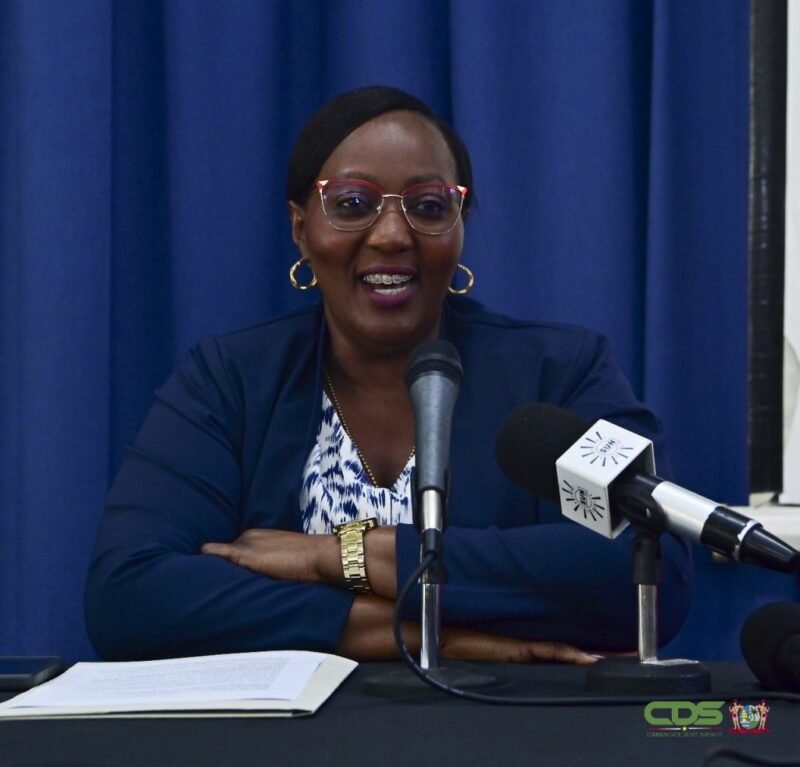
According to the minister, the traditional policy of purely paying out social benefits must make way for a broad and long-term guidance program for families. With a well-defined policy, the aforementioned group must become self-reliant and independent. Against this background, the Ministry is preparing to introduce Brazil’s successful Bolsa Família program. Minister Diana Pokie immediately added that this program will be implemented according to Surinamese standards.
The ministry wants to get rid of risky and inefficient cash payments
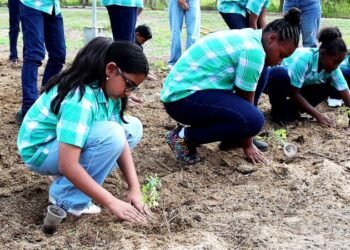
The Bolsa Família program is particularly aimed at strengthening the family and the total living environment of the child, focusing on matters such as after-school care, social work and homework guidance. Because a social benefit (of a maximum of SRD 6,000) is often insufficient to fully provide for a living, Sozavo bridges the gap to the labor market. In collaboration with the Ministry of Health, Welfare and Labor (VWA), the intention is to intensively guide parents towards regular work or opportunities to work from home.
Modernization and digitalization
To optimize services, a large-scale catch-up effort has been made in the field of automation. Currently, approximately 75 percent of the administration is still processed manually. The target process is aimed at having business operations fully digitalized by 2027. Part of this modernization is promoting financial inclusion, especially domestically. The ministry wants to get rid of risky and inefficient cash payments. From now on, payments will only be made via bank transfer, namely the Monikarta. The Surinamese Postal Savings Bank (SPSB) has full responsibility for the management and legitimate issuance of this debit card.
At the same time, a thorough clean-up of Social Affairs’ current client base, which has approximately 200,000 registered members, is taking place. Based on strict, objective criteria and certified medical statements, it is checked who is actually entitled to support. This rules out favoritism and creates the necessary budgetary space to better support target groups in acute need – such as people with disabilities.
Housing shortage
To absorb the pressure of high private rents, the Housing Directorate offers various targeted solutions, such as individual support. Citizens can submit applications both online and physically for construction and renovation subsidies, rental subsidies and acute emergency assistance in the event of natural disasters. In addition to this support, Minister Pokie also mentions the Koela housing project. Within this project, 93 social rental homes will be built, the first eleven of which have now been officially completed and occupied.
The minister also mentions the Affordable Housing Project (AHP). The realization rate of this housing construction program financed by the Islamic Development Bank (IsDB) increased from 23 percent to 75 to 80 percent under the current government. Through intensive collaboration with non-governmental organizations (NGOs), this project will deliver 150 new-build homes in Voorburg and another 150 in Reeberg respectively.
Looking back on the past year and a half, Minister Pokie concludes that, despite the backlogs and tight budgetary resources, a solid foundation has been laid. In the coming period, in addition to the current projects, the focus will be extra on improving internal communication and external contact with Surinamese citizens.