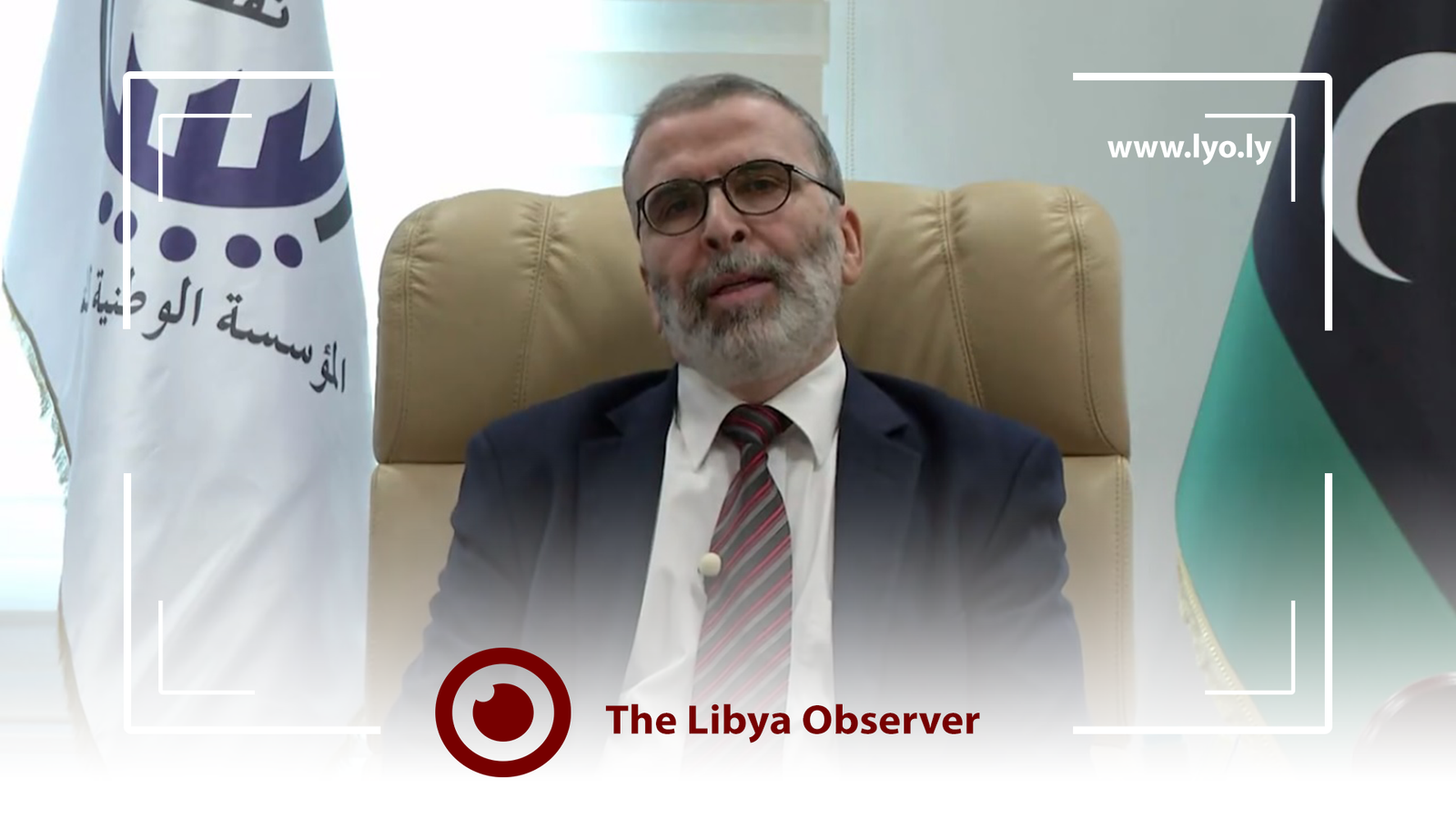
Former National Oil Corporation (NOC) chairman Mustafa Sanalla warned that any negligence or delay in managing Libya’s maritime border files could have long-term consequences, calling for a comprehensive review of the historical, legal, and technical aspects of the country’s maritime disputes with Malta and Greece and the formation of a specialized national team to handle the issue.
He urged the preparation of a comprehensive legal and technical dossier based on maps, official documents, historical rights, and established principles of international law before entering into any negotiations or understandings with Malta or Greece. Sanallah stressed that the matter should be treated as a national priority that must not be subject to political bargaining or temporary concessions affecting Libya’s sovereign rights and natural resources.
In a statement, Sanallah reviewed the background of maritime delimitation, hydrocarbon exploration, and offshore energy development in the Eastern Mediterranean, noting growing international interest in the region following significant gas discoveries in several maritime areas. He also highlighted the National Oil Corporation’s efforts over the years to monitor developments related to Libya’s maritime borders with Malta and Greece.
Sanallah explained that granting full maritime effect to islands south of Crete in boundary delimitation would cut off a large portion of Libya’s economically and strategically important maritime areas. He noted that the core dispute with Greece centers on how maritime boundaries should be calculated and the extent to which islands should influence maritime entitlements.
Regarding Malta, he said the maritime border issue stems from a longstanding dispute over the continental shelf, with certain offshore areas remaining contested, particularly those involving continental shelf extensions and exclusive economic zones.
Sanallah emphasized that Libya’s maritime border file is not merely a technical matter but a sovereign, legal, and strategic issue linked to the country’s future and its rights to natural resources. He noted that the disputed areas may contain significant oil and gas reserves, as well as other economic resources that could play an important role in Libya’s future economic development.