Even if the Iran war ends quickly, the European Commission does not expect a rapid easing of tensions on the energy markets. “This crisis is worse than the 1973 oil crisis and the 2022 energy crisis combined,” said Energy Commissioner Dan Jørgensen on Wednesday when presenting a package of measures to address the energy crisis. “Even if the war ends tomorrow, Qatar will need two years to rebuild its gas infrastructure.” The prices would therefore remain high.
The situation with oil looks somewhat better, Jørgensen added. Deliveries could resume there within two to four weeks. The longer the war lasts, the more serious the consequences for the entire economy will be. It costs the EU 500 million euros in additional energy costs every day.
The Commission is particularly concerned about the supply of kerosene. The International Energy Agency had warned that Europe could face a kerosene shortage within six weeks. The Commission announced that it would now first record what the EU’s stocks are and how supply could be improved. She will also examine whether it makes sense to create emergency stocks of kerosene based on the example of oil.
Criticism of the German fuel discount
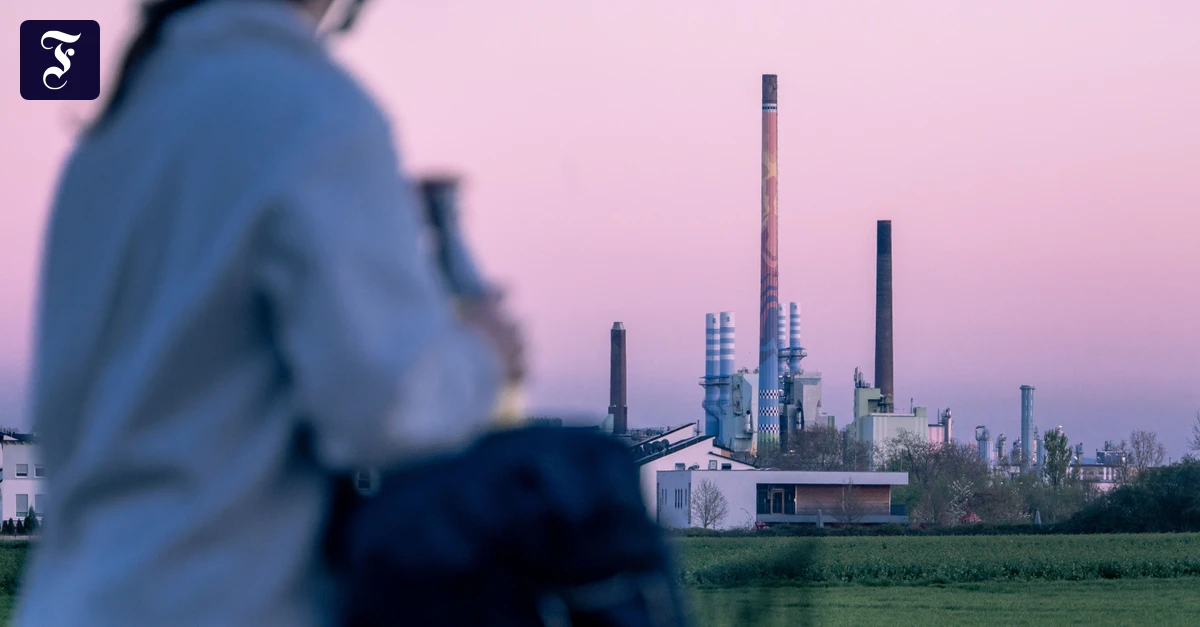
So far, the EU sources 40 percent of its kerosene from third countries, half of it through the Strait of Hormuz. However, the EU could produce 70 percent of its consumption itself if it makes better use of existing refineries. However, the refineries are concentrated in a few states.

In order to ensure the supply of kerosene, oil and gas for the coming winter Brussels encourage Member States to cooperate closely. However, it does not provide for an obligation to do so.
To help the citizens and companies hit hardest by high prices, the Commission is relying on targeted, time-limited aid and energy efficiency. The commission includes vouchers for poor families. It is important that taxpayers’ money is not burned on subsidies for fossil fuels, said Jørgensen. He had previously criticized the German fuel discount.
No European excess profits tax
In principle, the Commission sees its line confirmed that the expansion of renewable energy sources must be promoted in order to reduce dependence on fossil energy sources. To push this forward, she wants to propose a new electrification target in June.
The Commission rejects the Federal Finance Minister’s proposal Lars Klingbeil (SPD) and four other EU finance ministers for a European excess profits tax for oil companies. Vice President Teresa Ribera expressed sympathy for the idea. However, a European proposal has little chance of success because it has to be passed unanimously. However, Member States could take steps at national level to tax excess profits to ensure social justice. This is also what it says in the communication on the energy crisis.
Contrary to what was initially planned, the commission is refraining from extensive intervention in transport. Jorgensen originally wanted to propose reducing consumption through mandatory teleworking, car-free days in cities or limiting business flights. None of this appears in the final version of the paper. Instead, the Commission suggests reducing the prices for local transport. Whether the states take this up is up to them.
The Greens in the European Parliament welcomed the Commission’s communication. “Unlike Federal Chancellor Friedrich Merz and Economics Minister Katherina Reiche, the EU authority is relying on energy saving measures and electrification in order to free us from structural dependence on fossil fuels in the long term,” praised MP Michael Bloss. In Germany, electricity is taxed four times higher than gas. This is a boycott of electrification through tax law.
CSU MP Angelika Niebler called for emissions trading to be adapted to current economic realities. “Climate protection remains necessary, but instruments such as the emissions trading system must not have an additional effect on prices in times of crisis.”