
Countries across the Americas are working together to improve their preparedness for the possible effects of the El Niño phenomenon on agriculture and food systems.
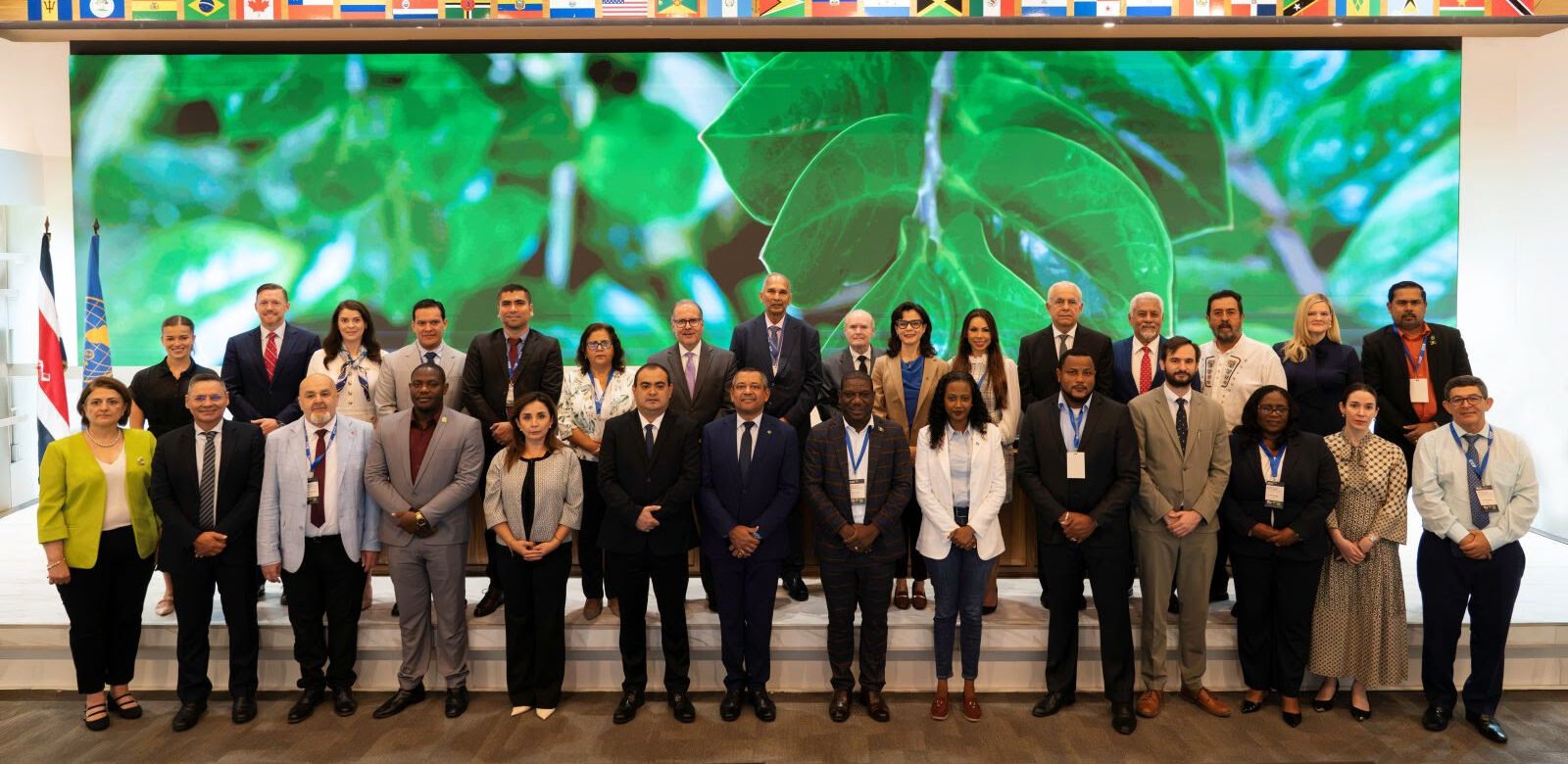
According to a press release from the Inter-American Institute for Cooperation on Agriculture (IICA), the issue was discussed during IICA’s Executive Committee meeting in San José, where agriculture ministers, deputy ministers and senior officials shared national experiences, outlined priorities and identified opportunities for regional cooperation to strengthen climate resilience in agriculture.
While each country will continue to lead its own preparedness and response plans, IICA will provide support based on national needs. A resolution approved at the meeting calls on IICA to help coordinate efforts, including updating action plans, sharing successful experiences, improving access to information about risks and available resources, and encouraging South-South cooperation.
The resolution also invites international organizations, financial institutions, cooperation agencies, the private sector and academic institutions to contribute technical and financial support.
Curt Delice, IICA’s Director of Operations and Regional Integration, said early action will be critical in reducing the impact of El Niño.
“The response to El Niño must precede the emergency, transforming information and alerts into decisions, investments, and actions to protect production, income, and livelihoods. Acting on time will reduce losses and costs. To achieve this at the requisite scale, we must combine science, technology, innovation, risks management, social protection, and financing. No one country can do this single-handedly. We need a common roadmap, broader alliances, and sufficient resources to meet the challenge.”
IICA said its country offices have been working with agriculture stakeholders to identify priorities and areas requiring additional support. Nearly 30% of countries have already identified specific technical cooperation needs related to El Niño, while further requests are expected from approximately 80% of countries over the next six months.
The main areas of focus include improving risk monitoring and early warning systems, supporting agricultural adaptation and recovery, and strengthening water management through measures such as efficient irrigation and water security planning.
IICA noted that El Niño will not affect all countries in the same way. Some areas, including the eastern Caribbean, could face higher temperatures, irregular rainfall and water shortages, while other regions may experience heavy rainfall, flooding and landslides.
Hugo Chavarría, Manager of IICA’s Innovation and Bioeconomy Program, said the information collected from countries will help create more targeted solutions to protect agricultural production, incomes and rural communities.
IICA added that the region already has a foundation of experience, identifying 88 existing initiatives related to climate resilience, risk management and agricultural adaptation, including 25 that directly support El Niño preparedness and response efforts.