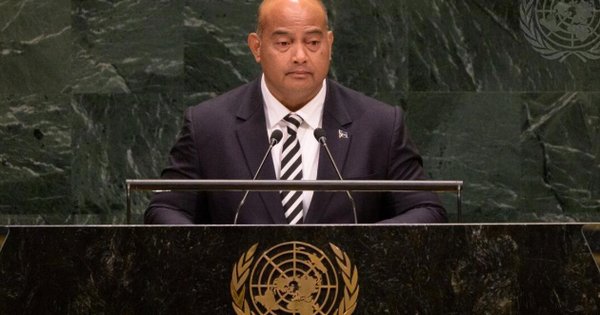
NEW YORK CITY, NEW YORK: Nauru has formally returned to its traditional name, Naoero, a move the Pacific island nation says is intended to reconnect with its history, language and identity.
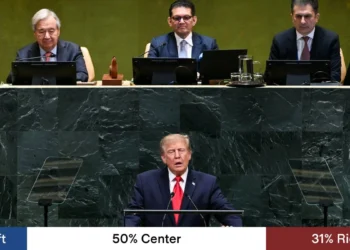
President David Adeang announced the change during his speech at the United Nations General Assembly in New York on Tuesday. He said the name used internationally for decades did not reflect what the country’s people had traditionally called their home.
Adeang told the gathering that the decision was not simply about changing a name. It was part of an effort to recognize the country’s heritage and strengthen its identity.
“For many years, the world has known our country as Nauru. Nauru is how our name sounded to those who found it hard to say, and the world kept it,” Adeang said. He added that the people themselves have continued to use Naoero.
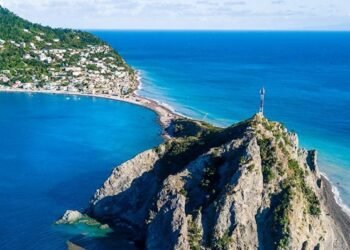
Nauru is a small South Pacific island covering about eight square miles and has a population of around 12,000. It became independent in 1968 after periods of colonial rule involving Germany, Australia, New Zealand and the United Kingdom.
The country announced the name change in August after first signaling its intention in February.
The change will also affect the country’s international identity. Its international code will change from NRU to NRO, and its people will be officially referred to as dei-Naoero rather than Nauruan. The country’s name will also be pronounced differently from the version commonly used overseas.
Countries around the world have changed or adjusted their names over the years for various reasons, including shifts in national identity, modernization, and efforts to move away from colonial legacies.
For Nauru, the government has presented the change as a way to restore a name connected to its ancestors, language and culture.
Adeang said the decision was not intended to reject the country’s past. Instead, he described it as an effort to recognize and preserve that history.
He also used his UN address to highlight the challenges facing Nauru, including rising sea levels, economic difficulties, and the country’s desire for greater international recognition and respect.
He ended his speech with a short message to the international community: “Say our name.”