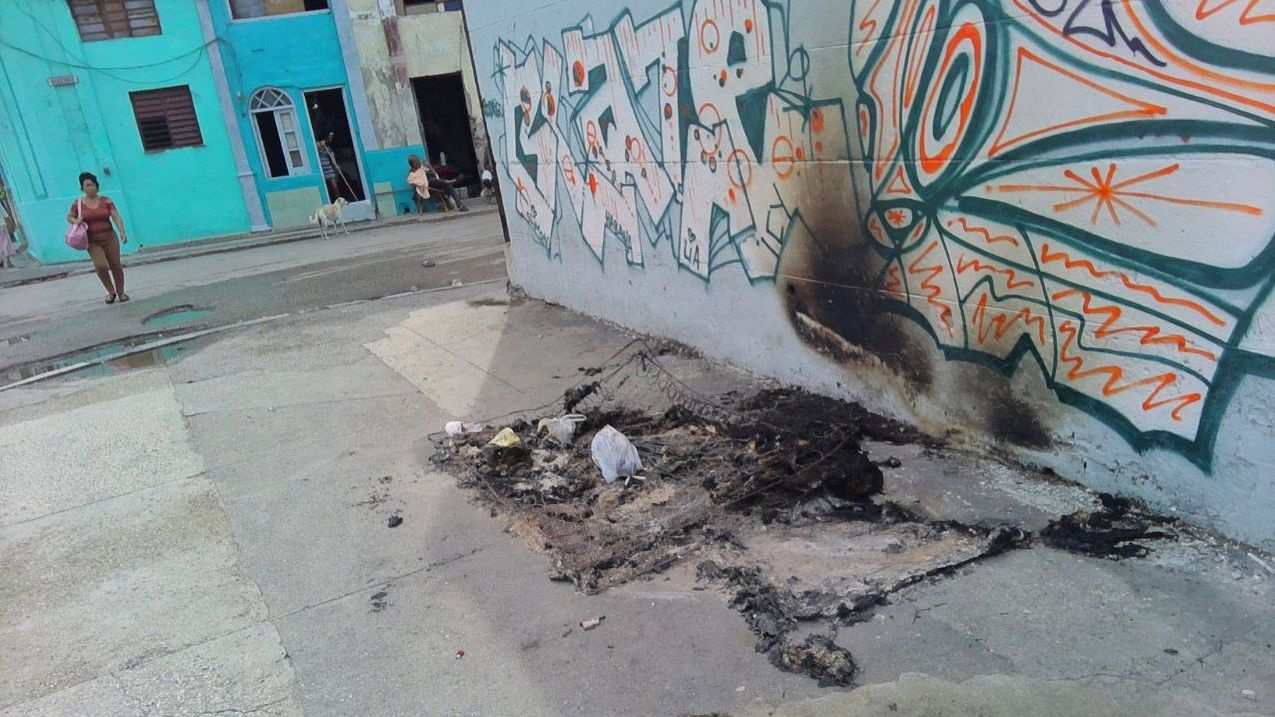
Havana/Once upon a time, an old mattress was a small treasure. Even if it was defeated by the years, with the springs coming out and the wadding turned into lumps, someone always appeared willing to rescue it to repair another one. That is why the scene that is now repeated in several neighborhoods of Havana is so surprising: mattresses abandoned in mountains of garbage, sofas torn to pieces in the corners and neighbors who look at them suspiciously, as if they were biological bombs.
Reason has six legs and feeds on human blood. Bedbugs, a pest that until a few years ago seemed like a distant problem or one typical of neglected homes, are spreading throughout the capital in the heat of the health crisis, the accumulation of waste, blackouts and the impossibility of maintaining minimum hygiene conditions.
The epidemic has not arrived suddenly. Since 2023, reports began to multiply in Santiago de Cuba, where even the authorities recognized that they did not have sufficient resources to combat it. Outbreaks later appeared in Sancti Spiritus and Holguinwith families forced to throw away mattresses, burn furniture or spend fortunes on insecticides. Now, stories are beginning to repeat themselves too often in Havana.
A plague that until a few years ago seemed like a distant problem or typical of neglected homes, is spreading through the capital in the heat of the health crisis.
“When I thought that being without electricity, without water and without connection would be the worst… today we discovered that we have bedbugs in the house. Bedbugs! The most horrible thing that can happen to us right now,” laments Gerardo, a resident of Lawton. At 78 years old, he claims that he had never seen one. “We had to throw away the sofa and also my mattress.”
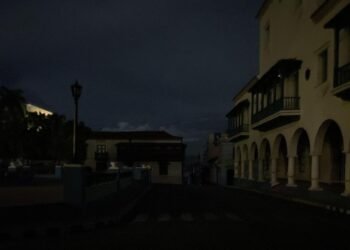
For days he believed that the hives he woke up with were the work of mosquitoes. With the stifling heat, the nights without a fan and the windows open due to blackouts, the explanation seemed logical. “I even went so far as to say that mosquitoes were biting me,” he recalls. Only when they checked the seams of the sofa did they discover hundreds of hidden insects.
Suspicion about the origin of the infestation also points to the street. “When we threw away the furniture we realized that in the rubbish accumulated in front of the building there were mattresses and other furniture. Apparently they were the cause of the plague reaching our house.” His conclusion summarizes an increasingly widespread perception among Havana residents: “Havana, the entire Island, is an immense garbage dump.”
It’s not an exaggeration. Improvised landfills have been growing for months on corners, empty lots and in front of residential buildings. Irregular waste collection, aggravated by fuel shortages and the crisis in communal services, has turned numerous neighborhoods into huge open-air garbage dumps, where food scraps, old furniture, broken appliances and infested mattresses are mixed.
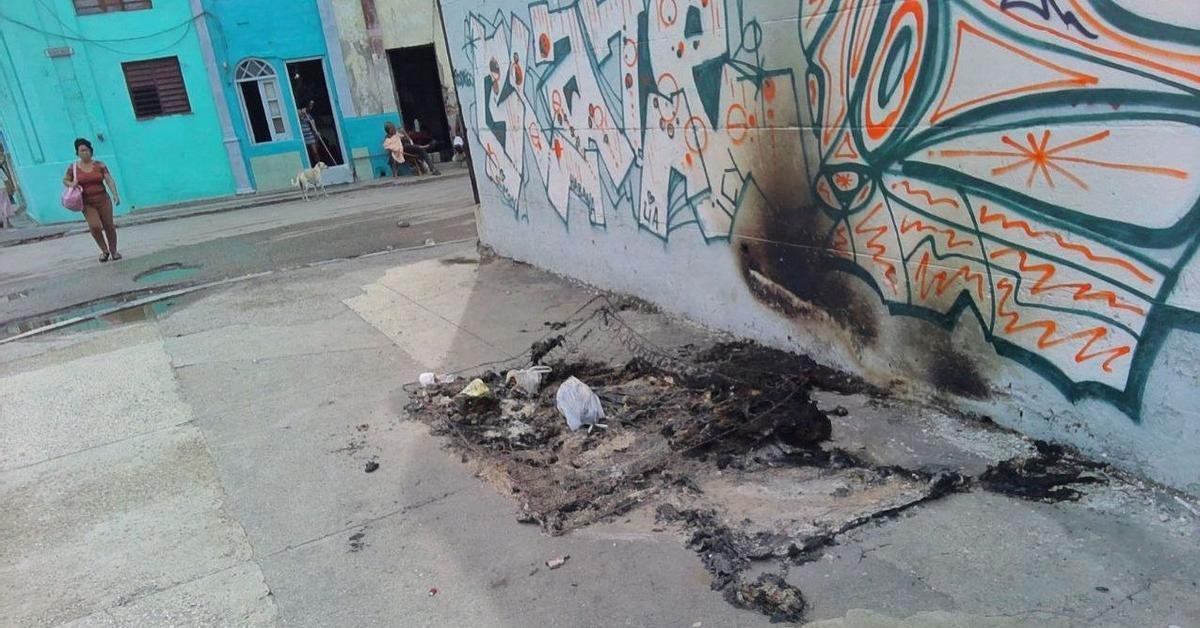
“That garbage can that is burning on the corner is because the neighbors themselves set it on fire after they threw away two mattresses with bed bugs”
In El Vedado, fear is already causing desperate reactions. “That garbage can that is burning on the corner is because the neighbors themselves set it on fire after they threw away two mattresses with bedbugs,” says Ana María. “People were afraid that they would get into the house, so they hit the candle.” She has not yet suffered the invasion, but the threat is just a few meters away. “We already knew that the neighbor downstairs had to get rid of a sofa because it was filled with those bugs.”
Improvised bonfires have thus become another visible consequence of the plague. Toxic smoke from foam, fabric and plastic adds to the unbreathable air of a city where residents increasingly burn waste to reduce the volume of landfills.
Those looking for a quick solution stumble upon another reality. On the outskirts of the Tulipán market, an insecticide seller assures that the questions have multiplied. “These days a lot of people have come asking if I have bedbug poison, but I only sell for ants and cockroaches.” What he hears next reflects the dead end in which many families live. “To get rid of this plague you need a lot of hygiene, washing bedding at high temperatures, but here almost no one can do it because when there is no lack of light then there is no lack of water.”
Specialists agree that eliminating an infestation requires specific treatments, constant cleaning and sufficient heat to destroy eggs and larvae, measures that are difficult to comply with in a country where electricity disappears for hours, water arrives intermittently and specialized products practically do not exist.
Meanwhile, mattresses continue to appear on the corners of Havana. No one comes around to rescue a dock or a handful of wadding anymore. Now they are surrounded cautiously, as if each one were hiding an army ready to conquer the next house.