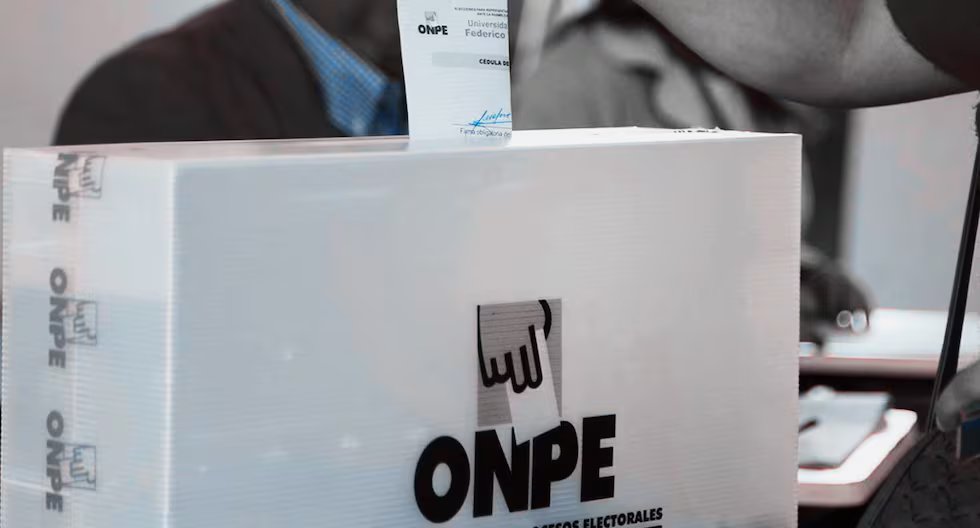

More than 27 million Peruvians were called to vote on Sunday, April 12, in the Peru 2026 General Elections, in which the new president, vice presidents (2), deputies (130), senators (60) and Andean parliamentarians (5) will be elected.
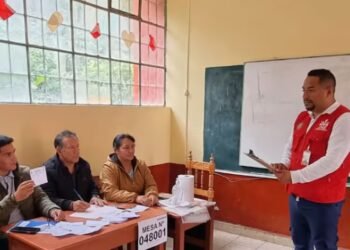
The voting process within the framework of the Peru 2026 Elections began at 7 am and ended at 6 pm, the time at which the polling stations were closed. However, the JNE determined that an extraordinary voting day will be held on Monday, April 13 so that people who could not do so on Sunday due to lack of electoral material can vote. This process took place in 13 voting centers in Metropolitan Lima and in two cities in the United States (Orlando and Patterson).
In this note you can review the official ONPE results of the elections in Pasco according to the count of the National Office of Electoral Processes (ONPE).
With 600 minutes counted, the results in Pasco put Keiko Fujimori of Fuerza Popular in first place with 39.5% of valid votes, followed by Roberto Sánchez Palomino of Together for Peru with 35.1%.
In addition, 12.7% of blank votes and 5.16% of invalid votes have been counted.
What will the bicameral Congress be like?
Regarding the election of senators, of the 60 in total, 30 will be elected by all voters at the national level. The other 30 will be elected in 27 electoral districts: each district will elect one senator, except Metropolitan Lima, which will elect four.
Among the main functions of the senators are approving, modifying or rejecting bills sent by the Chamber of Deputies, as well as electing and appointing high authorities and officials, such as the ombudsman, the comptroller general of the Republic, the magistrates of the Constitutional Court, among others.
Regarding the deputies, in these elections 130 representatives will be elected, and among their main functions are approving the bills that will later be reviewed by the Senate, in addition to questioning and censuring the ministers of State. Deputies may also grant or deny the question of confidence raised by ministerial initiative.
What is the fine for not voting?
This penalty is not the same for everyone, because it depends on the socioeconomic classification of the district where the citizen who fails to vote is registered in his National Identity Document (DNI). The fine is calculated based on the amount of the ITU 2026, which is S/5,500.
Non-poor districts: 2% of the UIT, which is equivalent to S/ 110. Poor districts: 1% of the UIT, which is equivalent to S/ 55. Districts in extreme poverty: 0.5% of the UIT, which is equivalent to S/ 27.50.
Do I have to pay a fine if I do not fulfill my role as a polling station member?
Yes, and in this case the penalty is equivalent to 5% of a UIT, that is, S/275.