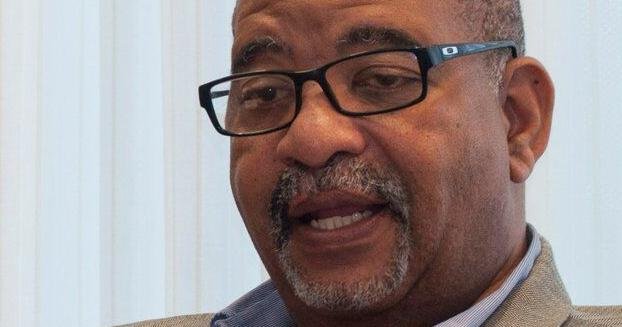
A prominent pensions executive said the government’s move towards a contributory pension scheme for public servants is much needed, but stressed that legislation is required to support the move, adding that a sweeping pronouncement from Parliament is not enough to manage the reform needed for pensions nationwide.
Larry Gibson, former chief operating officer of CG Atlantic Pensions, told Guardian Business yesterday that the government’s move is a step in the right direction, as the current pension scheme could experience a major collapse within the next five years if not dealt with immediately.
“Some years ago, the government hired KPMG to do a report on pension funds, and something like, you know, by 2030, and 2050 with to the benchmark, they projected what the liabilities were going to be. I don’t recall what they were at the top of my head, but they were massive amounts as a percentage of GDP, just massive, so from a social standpoint this will increase the coverage ratio, the amount of people discovered, but it’ll be a more affordable and sustainable arrangement.”
KPMG Advisory Services Ltd. conducted a pension reform feasibility study on the government’s pension scheme in 2013, which was revised in 2022. The study estimated pension liabilities for public sector employees would accumulate to $2.2 billion between 2013 and 2020, and projected an increase to $3.5 billion by 2030. Future cash outflows were also projected to increase significantly, from approximately $165 million currently to $219 million by 2030 (including both pension payments and gratuities). In addition, government-owned corporations have similar defined benefit pensions, with annual cash outflows of approximately $10 million.
Gibson, who still sits as a director on the board of CG Atlantic Pensions, also said: “This new contributory pension scheme should be accompanied with legislation that covers all the details. Absolutely, without a doubt, there needs to be support mechanisms to make it viable and sustainable, which will come through legislation, and also a plan. Many countries, when they first put in national pension legislation, they staggered it, so maybe in the first year you put in two percent or what have you, because in the long term, three percent and five percent will give you eight. But when you look at countries like the Cayman Islands and Bermuda, that had pension legislation now for 25 years, they’re talking about actually going to six and six, or really increasing it, but we need to start somewhere. So, I welcome the three and five formula.”
The government is calling for qualifying civil servants to contribute a mandatory three percent of their monthly salary to a new defined contribution scheme, with the government injecting a sum equal to five percent of their earnings. This will ultimately phase out the existing “pay as you go” civil service pension, where public officials pay nothing towards their retirement, which instead is financed 100 percent by Bahamian taxpayers from the annual budget.
“This was just unsustainable. But also, there are a lot of people in the private sector who don’t have pension coverage, and any possible pension reform must take them into consideration as well,” Gibson noted.