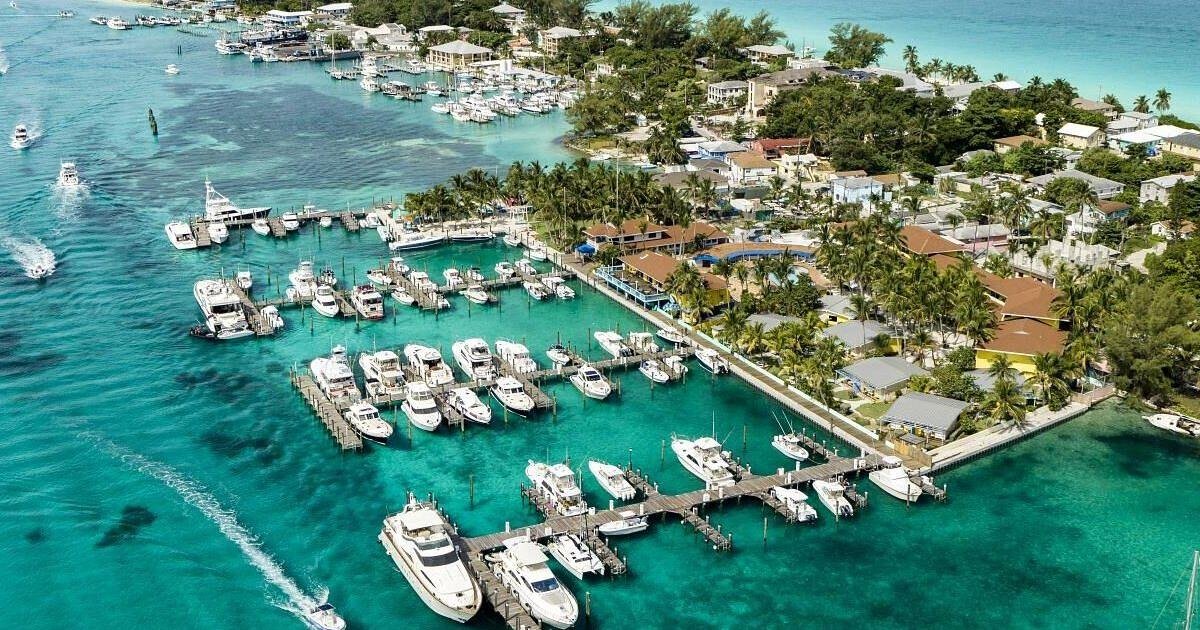
Association of Bahamas Marinas (ABM) President Peter Maury told Guardian Business recently that the rise in Bimini marina business as a result of the boating fees update by the government this month does not repair the charter boat business lost with the boating fees’ initial introduction in July 2025.
Maury said: “It’s going to be good for the north marinas in the short term. But that doesn’t get us back the 40 percent of what we lost, which is all the charter bookings. I mean, they’re the highest consumers around the country. So we need both. Everybody’s got mouths to feed and giving us only half of what we had doesn’t make any sense.”
Maury was responding to the rebound in Bimini marina business with the recent update of the July 2025 boating fees, noted by Stephen Kappeler, managing director of the Bimini Big Game Club, who told a media outlet that since the changes, business has been up by 40 percent in his marina.
Maury said that this does not help the marinas further south in the country, and it does not bring back the charter business that has left for places like the Dominican Republic and the Turks and Caicos Islands.
As of April 1, 2026, The Bahamas has updated boating and cruising permit fees for pleasure vessels based on length and duration, generally restructuring costs to range from $150 to $600 for 30-day permits. The updated, standardized fee structure includes passenger taxes and specific rates for tenders over 25 feet.
Maury continued: “We always had the short-term fee payment, quarterly cruising permit, so bringing it back and going, here you go, look what we did, okay, but what about the rest of the business you took away from us that pays long-term dockage, shops in the food stores, uses all the services? I mean, we sell a lot of electricity, a lot of fuel, all that kind of stuff, to these guys too.”
Implementing a competitive rate and going back to an easy pay system would be better for businesses and bring the higher-spending charter business back to the marinas, Maury contended.
“The government never collected more than a million dollars, but in the first year with the SeaZPass we collected over $5 million on the portal, which was monitored by five government agencies.