The Minister of Finance, Ramon Lladós, believes that the communes should make a greater effort to facilitate access to housing and questions that some corporations prioritize debt reduction or returns on bank deposits. In an interview with “>Let’s talk about DiariTV, he demanded more communal resources to deal with housing and pointed directly at the municipality of Escaldes-Engordany.
“Financial return for financial return, without a return to the families of Andorra, I don’t see it as very useful”, he affirmed after referring to the statements of the Spanish corporation about the interests of the money deposited. Lladós clarified that reducing debt is positivebut warned that this should not come before residential investment. “You can do both”, he insisted, in favor of reducing debt and investing in housing.
“Financial performance for financial performance without a return to the families I don’t see it as very useful”
To defend it, he gave the example of executive management. according to Lladósthe The government has dedicated more than 150 million euros to the public housing stock over the last four yearsat the same time that it has reduced debt and obtained surpluses, i he assured that the park will exceed 650 floors with the actions planned for the futuresome beyond the legislature. In his opinion, not all municipal administrations have placed housing at the same level of priority as the executive.
The minister claimed especially the involvement of the commons in the bill to promote the construction of affordable rental buildings. The proposal envisages that the administrations give up part of the income associated with the new promotions to reduce costs and make private projects viable. The Government must assume its share with taxeswhile the commons have to do it with the rates that correspond to them. thetarget is that the developers get the numbers to build homes that are can offer at reasonable prices.
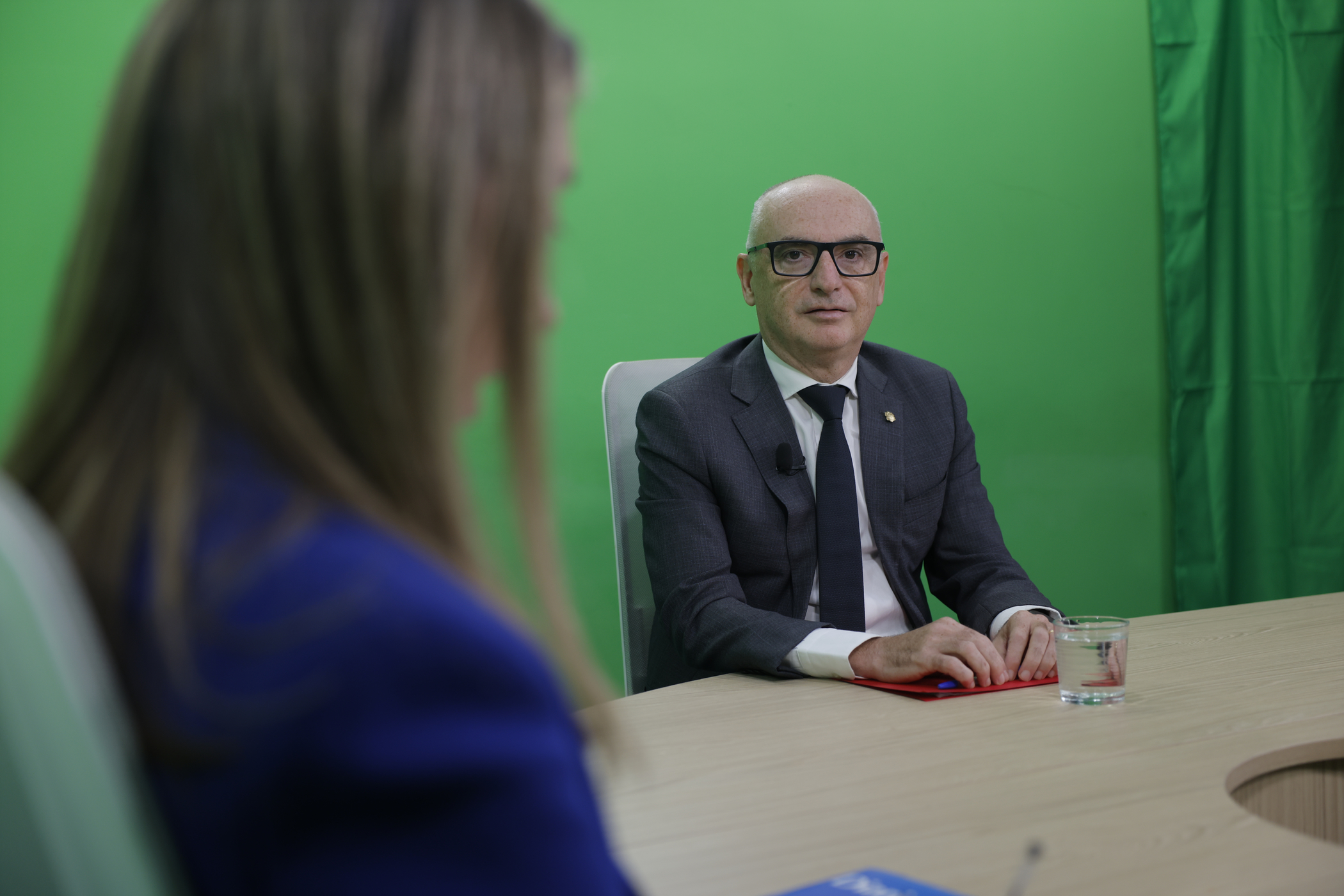
Lladós he remarked that it is not enough to aid to families or by expanding the public parkdespite considering this last measure the main tool of the executive. In the long run, he argued, containing prices requires increasing the number of available flatsboth for rent and for sale. That is why he defended the collaboration between administrations and the private sector and asked that the commons participate in the effort, even if it means giving up immediate income.
The claim comes at a time when the minister predicts that construction will moderate in the medium term. He recalled that the companies have projects in their portfolio for the next two or three years, but warned that the new promotions they should be slowing down over a four to five year horizon. This might as well reduce the resources that some municipalities obtain from licenses and other fees linked to the work. For this reason, he urged them to prepare for a scenario with less construction income.
In this sense, Lladós pointed out that in 2027 corporations will receive close to 90 million euros in Government transfersbut he stressed that every parish has one dependency different from thereal estate activity. The communes, he said, should analyze how to diversify the collection with other economic activities and which expenses or investments they can assume if the pace of works decreases. It does not propose a sudden change or an immediate brake, but rather a gradual adaptation to an economy less supported by construction.
FOREIGN INVESTMENT TAX LOSES RATE
Lladós attributed the braking to the restrictions on the real estate operations of foreign investors. The regulations prevent them from promoting promotions, limit the number of real estate units they can acquire to two, and also raise taxes on sales of flats in short periods of time. The minister recalled that an important part of the income came precisely from the initiatives that can now no longer be executed with foreign capital. “It is precisely what we wanted, that the investment in these promotions be stopped“, he assured. Despite the reduction, the tax continues to contribute resources to public coffers. Lladós he said that the downward effect was predictable and assured that non-real estate foreign direct investment continues to grow.