Monday, May 4, 2026
    The GeoStrategic Consensus
    No Result
    View All Result
    • Login
    • HOME
    • AMERICAS
      • Argentina
      • Brazil
      • Canada
      • Chile
      • Colombia
      • Costa Rica
      • Cuba
      • Dominican Republic
      • Ecuador
      • El Salvador
      • Greenland
      • Guatemala
      • Honduras
      • Mexico
      • Nicaragua
      • Panama
      • Paraguay
      • Peru
      • United States
      • Uruguay
      • Venezuela
    • ASIA-PACIFIC
      • Australia
      • Brunei Darussalam
      • Cambodia
      • China
      • Federated States of Micronesia
      • Fiji
      • Indonesia
      • Japan
      • Kiribati
      • Laos
      • Malaysia
      • Marshall Islands
      • Mongolia
      • Myanmar
      • Nauru
      • New Zealand
      • North Korea
      • Palau
      • Papua New Guinea
      • Philippines
      • Samoa
      • Singapore
      • Solomon Islands
      • South Korea
      • Taiwan
      • Thailand
      • Timor-Leste
      • Tonga
      • Tuvalu
      • Vanuatu
      • Vietnam
    • CARICOM
      • CARICOM – Non-English
        • Haiti
        • Suriname
      • CARICOM Associates
        • Anguilla
        • Bermuda
        • British-Virgin-Islands
        • Cayman-Islands
        • Curacao
        • Turks-and-Caicos
      • CARICOM English
        • Antigua and Barbuda
        • Barbados
        • Belize
        • Dominica
        • Grenada
        • Guyana
        • Jamaica
        • Montserrat
        • Saint Kitts and Nevis
        • Saint Lucia
        • Saint Vincent and the Grenadines
        • The Bahamas
        • Trinidad and Tobago
    • EURASIA
      • Armenia
      • Azerbaijan
      • Balarus
      • Georgia
      • Kazakhstan
      • Kyrgyzstan
      • Moldova
      • Russia
      • Tajikistan
      • Turkmenistan
      • Ukraine
      • Uzbekistan
    • EUROPE
      • Albania
      • Andorra
      • Austria
      • Bosnia and Herzegovina
      • Bulgaria
      • Croatia
      • Cyprus
      • Czech Republic
      • Denmark
      • Estonia
      • Finland
      • France
      • Germany
      • Greece
      • Holy See
      • Hungary
      • Iceland
      • Ireland
      • Italy
      • Kosovo
      • Latvia
      • Liechtenstein
      • Lithuania
      • Luxembourg
      • Malta
      • Monaco
      • Montenegro
      • Netherlands
      • North Macedonia
      • Norway
      • Poland
      • Portugal
      • Romania
      • San Marino
      • Serbia
      • Slovakia
      • Slovenia
      • Spain
      • Sweden
      • Switzerland
      • United Kingdom
    • MIDDLE EAST AND NORTH AFRICA
      • Algeria
      • Bahrain
      • Egypt
      • Iran
      • Iraq
      • Israel
      • Jordan
      • Kuwait
      • Lebanon
      • Lybia
      • Morocco
      • Oman
      • Palestinian Territories
      • Qatar
      • Saudi Arabia
      • Syria
      • Tunisia
      • Turkey
      • United Arab Emirates
      • Western Sahara
      • Yemen
    • SOUTH ASIA
      • Afghanistan
      • Bangladesh
      • Bhutan
      • India
      • Maldives
      • Nepal
      • Pakistan
      • Sri Lanka
    • SUB-SAHARAN AFRICA
      • Angola
      • Benin
      • Botswana
      • Burkina Faso
      • Burundi
      • Cabo Verde
      • Cameroon
      • Central African Republic
      • Chad
      • Comoros
      • Cote d’Ivoire
      • Democratic Republic of the Congo
      • Djibouti
      • Equatorial Guinea
      • Eritrea
      • Eswatini
      • Ethiopia
      • Gabon
      • Gambia
      • Ghana
      • Guinea
      • Guinea Bissau
      • Kenya
      • Lesotho
      • Liberia
      • Madagascar
      • Malawi
      • Mali
      • Mauritania
      • Mauritius
      • Mozambique
      • Namibia
      • Niger
      • Nigeria
      • Republic of the Congo
      • Rwanda
      • Sao Tome and Principe
      • Senegal
      • Seychelles
      • Sierra Leone
      • Somalia
      • South Africa
      • South Sudan
      • Sudan
      • Tanzania
      • Togo
      • Uganda
      • Zambia
      • Zimbabwe
    • HOME
    • AMERICAS
      • Argentina
      • Brazil
      • Canada
      • Chile
      • Colombia
      • Costa Rica
      • Cuba
      • Dominican Republic
      • Ecuador
      • El Salvador
      • Greenland
      • Guatemala
      • Honduras
      • Mexico
      • Nicaragua
      • Panama
      • Paraguay
      • Peru
      • United States
      • Uruguay
      • Venezuela
    • ASIA-PACIFIC
      • Australia
      • Brunei Darussalam
      • Cambodia
      • China
      • Federated States of Micronesia
      • Fiji
      • Indonesia
      • Japan
      • Kiribati
      • Laos
      • Malaysia
      • Marshall Islands
      • Mongolia
      • Myanmar
      • Nauru
      • New Zealand
      • North Korea
      • Palau
      • Papua New Guinea
      • Philippines
      • Samoa
      • Singapore
      • Solomon Islands
      • South Korea
      • Taiwan
      • Thailand
      • Timor-Leste
      • Tonga
      • Tuvalu
      • Vanuatu
      • Vietnam
    • CARICOM
      • CARICOM – Non-English
        • Haiti
        • Suriname
      • CARICOM Associates
        • Anguilla
        • Bermuda
        • British-Virgin-Islands
        • Cayman-Islands
        • Curacao
        • Turks-and-Caicos
      • CARICOM English
        • Antigua and Barbuda
        • Barbados
        • Belize
        • Dominica
        • Grenada
        • Guyana
        • Jamaica
        • Montserrat
        • Saint Kitts and Nevis
        • Saint Lucia
        • Saint Vincent and the Grenadines
        • The Bahamas
        • Trinidad and Tobago
    • EURASIA
      • Armenia
      • Azerbaijan
      • Balarus
      • Georgia
      • Kazakhstan
      • Kyrgyzstan
      • Moldova
      • Russia
      • Tajikistan
      • Turkmenistan
      • Ukraine
      • Uzbekistan
    • EUROPE
      • Albania
      • Andorra
      • Austria
      • Bosnia and Herzegovina
      • Bulgaria
      • Croatia
      • Cyprus
      • Czech Republic
      • Denmark
      • Estonia
      • Finland
      • France
      • Germany
      • Greece
      • Holy See
      • Hungary
      • Iceland
      • Ireland
      • Italy
      • Kosovo
      • Latvia
      • Liechtenstein
      • Lithuania
      • Luxembourg
      • Malta
      • Monaco
      • Montenegro
      • Netherlands
      • North Macedonia
      • Norway
      • Poland
      • Portugal
      • Romania
      • San Marino
      • Serbia
      • Slovakia
      • Slovenia
      • Spain
      • Sweden
      • Switzerland
      • United Kingdom
    • MIDDLE EAST AND NORTH AFRICA
      • Algeria
      • Bahrain
      • Egypt
      • Iran
      • Iraq
      • Israel
      • Jordan
      • Kuwait
      • Lebanon
      • Lybia
      • Morocco
      • Oman
      • Palestinian Territories
      • Qatar
      • Saudi Arabia
      • Syria
      • Tunisia
      • Turkey
      • United Arab Emirates
      • Western Sahara
      • Yemen
    • SOUTH ASIA
      • Afghanistan
      • Bangladesh
      • Bhutan
      • India
      • Maldives
      • Nepal
      • Pakistan
      • Sri Lanka
    • SUB-SAHARAN AFRICA
      • Angola
      • Benin
      • Botswana
      • Burkina Faso
      • Burundi
      • Cabo Verde
      • Cameroon
      • Central African Republic
      • Chad
      • Comoros
      • Cote d’Ivoire
      • Democratic Republic of the Congo
      • Djibouti
      • Equatorial Guinea
      • Eritrea
      • Eswatini
      • Ethiopia
      • Gabon
      • Gambia
      • Ghana
      • Guinea
      • Guinea Bissau
      • Kenya
      • Lesotho
      • Liberia
      • Madagascar
      • Malawi
      • Mali
      • Mauritania
      • Mauritius
      • Mozambique
      • Namibia
      • Niger
      • Nigeria
      • Republic of the Congo
      • Rwanda
      • Sao Tome and Principe
      • Senegal
      • Seychelles
      • Sierra Leone
      • Somalia
      • South Africa
      • South Sudan
      • Sudan
      • Tanzania
      • Togo
      • Uganda
      • Zambia
      • Zimbabwe
    No Result
    View All Result
    Agentially
    No Result
    View All Result
    Home ASIA-PACIFIC Taiwan

    Lessons for region from Iran crisis

    The Analyst by The Analyst
    April 17, 2026
    in Taiwan
    Lessons for region from Iran crisis


    The Iran crisis has demonstrated how deeply interconnected regional conflicts have become in an era of globalized security. What might appear as a geographically separated confrontation in the Middle East has tangible consequences for the Indo-Pacific region, particularly for deterrence, diplomatic cohesion and economic stability.

    READ ALSO

    President Lai arrives in Eswatini for official visit

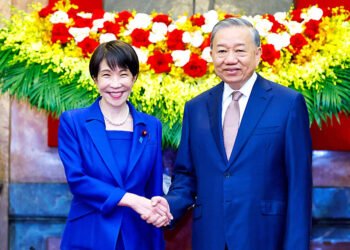
    Japan PM vows more effort to keep Asia ‘free and open’

    Is the US underprepared for eventualities in the Indo-Pacific region? Is strategic distraction in one theater eroding credibility and capability in another? Certainly, no consultation with its friends in the Indo-Pacific region took place while it launched its war on Iran or when it sought a peace agreement.

    At the core of the concern lies the apprehension of strategic overstretch. The US, the principal security provider in the Middle East and the Indo-Pacific region, finds itself juggling competing demands on finite military and political resources. The Iran crisis has demanded renewed deployments, attention and logistical support in the Middle East, inevitably drawing focus away from the rest of Asia. For partners in the Indo-Pacific region, that is not merely an abstract concern, but a concrete risk. Deterrence in the region depends heavily on the understanding of sustained US presence and preparedness. Any weakening of such perception, even temporarily, introduces uncertainty into the regional balance, particularly at a time when China is steadily expanding its military and economic influence.

    The uncertainty directly affects the credibility of alliances. The security architecture of the Indo-Pacific region is built on a network of partnerships, with the US at its center.

    However, alliances are sustained not merely by formal commitments, but by confidence in their efficacy, consistency and prioritization. The Iran crisis raises difficult queries among key allies such as Japan and Australia. In Japan, where constitutional constraints and public opinion impose limits on military engagement, there is visible discomfort with being drawn into conflicts that lie outside its immediate regional context. The crisis has reinforced an abiding anxiety in Tokyo that external involvement could diminish the US’ ability to maintain its commitments in the Indo-Pacific region.

    Australia, traditionally among Washington’s most steadfast allies, has responded with a more strategic recalibration. Canberra is increasingly aware that reliance on a single external guarantor carries risks, particularly when that partner is distracted by simultaneous challenges across sectors. The Iran crisis has strengthened views within Australia that sovereign defense capabilities and regional partnerships should be enhanced, including with Japan and India. That would not manifest a rupture in alliances, but an evolution toward a rebalanced distribution of perceived responsibilities. A planned visit by Japanese Prime Minister Sanae Takaichi to Australia during Japan’s annual “Golden Week” is evocative of that.

    In this evolving context, the role of regional powers is more pronounced. The crisis has underscored the need for countries such as Japan, Australia and India to assume greater agency in shaping their security environments. Japan’s gradual shift toward increased defense spending and expanded operational capability, as well as Australia’s investments in long-range capabilities and strategic infrastructure, reflect a recognition that regional stability cannot rest indefinitely on external intervention.

    For India, the implications are equally significant. The long-standing doctrine of strategic autonomy gains renewed relevance in a context in which great-power attention might waver. India’s ability to act autonomously while maintaining flexible relationships is a critical aspect of resilience in the Indo-Pacific region.

    These are all important aspects, especially as the Quadrilateral Security Dialogue with the US has lost momentum, and Quad partners in the region need to act in cohesion without awaiting US concurrence or participation.

    Another element of the crisis is the strategic opportunity it creates for China. Beijing has always sought to expand its influence in the Indo-Pacific, and moments of US distraction provide avenues to seize gains. Even a temporary diversion of US attention can amend the strategic calculus, emboldening assertive behavior in areas of rivalry such as the South China Sea or the Taiwan Strait. China is adept at leveraging economic and diplomatic tools to deepen its regional influence, particularly when uncertainty surrounding US commitments prevails.

    The Iran crisis is not just a test of US resolve, but a potential inflection point in the broader balance of power.

    Energy security emerges as another critical lesson, particularly for countries such as Japan and India. While they have grappled with “China+1” solutions for rare earths and supply chains for other items, they are now seeking a “Middle East+1” solution to reduce dependence on oil and gas. The Indo-Pacific region remains heavily dependent on energy flows from the Persian Gulf and the situation in the Strait of Hormuz has immediate economic repercussions. Rising oil prices, supply uncertainties and shipping vulnerabilities could easily lead to domestic economic pressures and geopolitical anxieties. Japan’s acute sensitivity to such disruptions emphasizes the importance of securing diversified energy sources and maintaining open sea lines of communication.

    For India, with its substantial reliance on Gulf energy imports, the stakes are equally high, reinforcing the need for strategic reserves and alternative supply chains.

    The Iran crisis exposes a deeper structural issue in global strategic evolution: the persistence of compartmentalized thinking. The tendency to treat the Middle East and the Indo-Pacific region as separate theaters no longer serves the realities of interconnected geoeconomics. Military deployments, energy markets, alliance dynamics and strategic signaling are intertwined. A crisis in one region reverberates across others, altering perceptions and influencing decisions well beyond its immediate vicinity. The warning that the US is underprepared for the Indo-Pacific region is, in this sense, not merely about military capability, but shows the absence of an integrated, cross-theater approach to strategy.

    For the Indo-Pacific region, the lessons are premonitory and precipitate. They caution against overdependence on a single partner emphasize the weaknesses ingrained in a system stretched across multiple sectors. At the same time, they catalyze a turn toward enhanced regional responsibility, deeper collaboration among similar-minded countries and a broader understanding of security.

    The responses of Japan and Australia illustrate the transition, while India’s strategic posture positions it as a key pillar in a more distributed and resilient regional order.

    The Iran crisis serves as a reminder that stability cannot be insulated from global developments. It emphasizes the necessity for adaptability, diversification and strategic realization in an increasingly complex international environment.

    Gurjit Singh is a former Indian ambassador to Germany, Indonesia, ASEAN, Ethiopia and the African Union. He is the author of The Durian Flavour: India and its Act East Policy.


    Source link

    Related Posts

    President Lai arrives in Eswatini for official visit
    Taiwan

    President Lai arrives in Eswatini for official visit

    May 4, 2026
    Japan PM vows more effort to keep Asia ‘free and open’
    Taiwan

    Japan PM vows more effort to keep Asia ‘free and open’

    May 4, 2026
    Iran military official says renewed war with US is ‘likely’
    Taiwan

    Iran military official says renewed war with US is ‘likely’

    May 3, 2026
    Minister opens hub in Phoenix to boost trade ties
    Taiwan

    Minister opens hub in Phoenix to boost trade ties

    May 3, 2026
    US official touts peace through strength as deterrence
    Taiwan

    US official touts peace through strength as deterrence

    May 3, 2026
    US lawmakers condemn China threats
    Taiwan

    US lawmakers condemn China threats

    May 3, 2026
    Next Post
    KakaoTalk launches parental control for minors in latest upgrade

    KakaoTalk launches parental control for minors in latest upgrade

    POPULAR NEWS

    Justin Bieber fans flood Coachella festival for headlining show – Entertainment

    Justin Bieber fans flood Coachella festival for headlining show – Entertainment

    April 20, 2026

    Over 600 flee homes as Army, NPA clash in Negros Occidental

    April 21, 2026

    Ex-DPWH exec recalls P800-M ‘delivery’ to Zaldy Co 

    April 20, 2026

    Former PM Paluckas suspends party membership, to waive immunity over criminal probe

    April 24, 2026
    Pres. Ali challenges CARICOM to transform into health research powerhouse

    Pres. Ali challenges CARICOM to transform into health research powerhouse

    April 23, 2026

    EDITOR'S PICK

    Did D.E.I. Go Too Far?

    Did D.E.I. Go Too Far?

    April 24, 2026
    The roommate shot him in the head, then locked the corpse in the kitchen and drank Premium vodka for days

    The roommate shot him in the head, then locked the corpse in the kitchen and drank Premium vodka for days

    April 21, 2026
    ‘Some French businesses are willing to associate with the Rassemblement National, which harbors a deep mistrust of labor unions’

    ‘Some French businesses are willing to associate with the Rassemblement National, which harbors a deep mistrust of labor unions’

    April 26, 2026
    Portvale harvest back on track after union dispute

    Portvale harvest back on track after union dispute

    April 8, 2026

    Recent Posts

    • NATO Secretary General arrived in Yerevan
    • Schoolchildren have developed a smart garbage disposal program using artificial intelligence
    • Azerbaijan’s SOCAR Trading proposes establishing an energy exchange in Baku
    • Expert: Belarus ranks among world leaders in early-stage cervical cancer detection

      © 2026 Agentially - Navigating shifting sovereignties and global risk .

      Welcome Back!

      Login to your account below

      Forgotten Password?

      Retrieve your password

      Please enter your username or email address to reset your password.

      Log In
      No Result
      View All Result

        © 2026 Agentially - Navigating shifting sovereignties and global risk .

        This website uses cookies. By continuing to use this website you are giving consent to cookies being used. Visit our Privacy and Cookie Policy.