Air and drone attacks hit several locations in southern Lebanon this Friday, causing at least one death and several injuries, despite the ceasefire announced this week between Israel and Beirut and which was mediated by the United States of America.
The National News Agency (NNA) reported that, in the Nabatieh district, a dawn attack on a building in Doueir killed one person and injured another and, at dawn, a drone hit a motorbike and injured another person.
Shortly before, the Lebanese news agency had reported that another air strike — with at least four missiles — injured 12 civilians and destroyed a bank building near the Jabal Amel Hospital, in Tyre. There were also reports of artillery shelling against Deir Amas and attacks in the vicinity of Burj Qalawiya and Deir Kifa, in the same region.
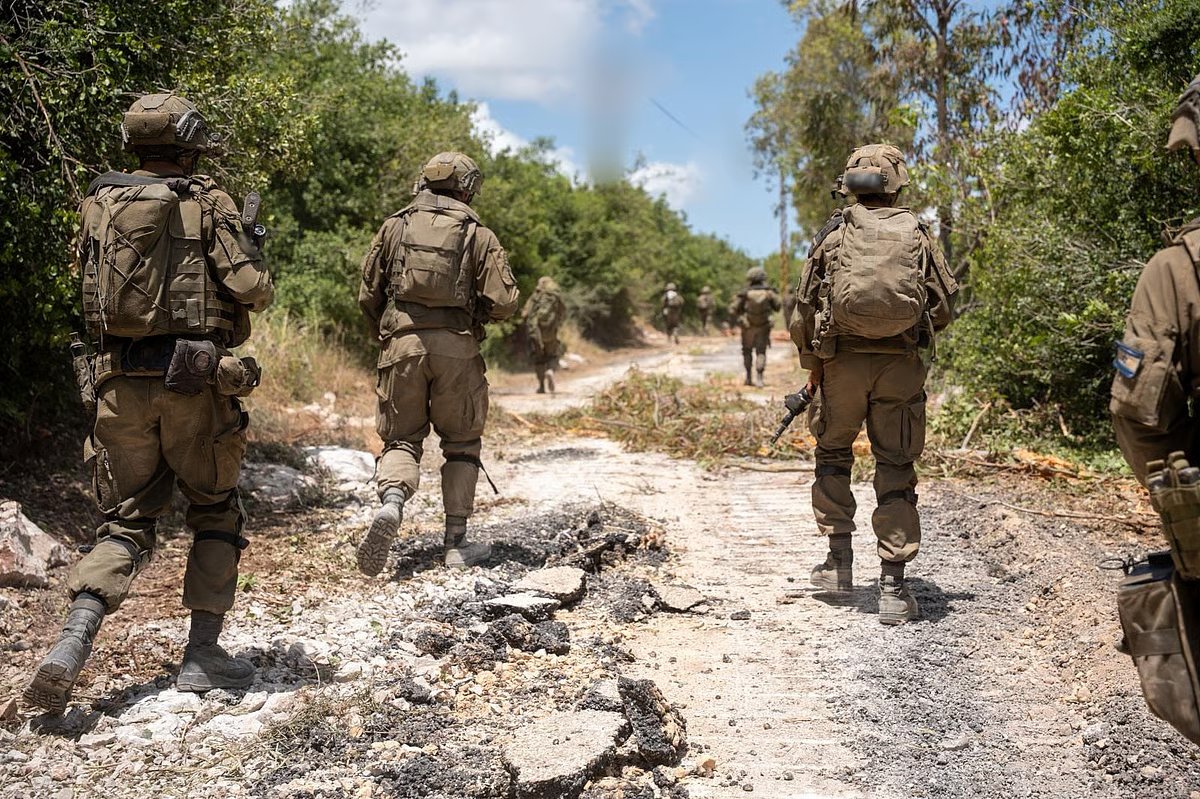
Hezbollah and Israeli forces have exchanged hostile actions in recent hours. The Shiite movement claimed to have launched a precision missile at a concentration of Israeli vehicles and soldiers near Beaufort Castle, north of the Litani River, saying the action was “in response to the violation of the ceasefire by the Israeli enemy” and attacks against villages in southern Lebanon.
Hours earlier, Hezbollah leader Naim Qassem rejected the ceasefire agreement reached in Washington, declaring that demanding that the movement’s fighters leave southern Lebanon under fire would amount to a “surrender” and refusing any commitment to withdraw while there is “occupation.” Qassem called for a total ceasefire and Israeli withdrawal from the affected areas.
These new episodes in the conflict come after Israel and the Lebanese government announced, last Wednesday, the renewal of the ceasefire and the creation of pilot security zones in Lebanon, conditional on the complete cessation of Hezbollah operations south of the Litani River. An agreement that provides for the Lebanese army to take control of these areas, but it is still unclear how it will be implemented in practice.
On the Israeli side, the Defense Minister reiterated his willingness to strike targets in Beirut if Hezbollah continued to attack, and stated that the agreement allows the continuation of Israeli operations in the south.
Lebanese President Joseph Aoun described the pact as “the last opportunity to achieve a global and definitive ceasefire” and said he was awaiting Hezbollah’s final position.