US President Donald Trump has extended a ceasefire between Israel and Lebanon by three weeks after talks at the White House, while the illegal US-Israeli war against Iran shows no sign of resolution and global risks rise.
The announcement followed a meeting in Washington between US officials and envoys from Israel and Lebanon. Trump said the talks “went very well” and added that leaders from both countries may visit the White House in the coming weeks.
“I think there’s a very good chance of having peace,” Trump told reporters in the Oval Office. He added that he did not intend to rush negotiations with Iran, saying, “Don’t rush me.”
The ceasefire, first agreed earlier in April, aimed to halt fighting between Israeli forces and Hezbollah fighters in southern Lebanon. The extension comes despite continued Israeli strikes and exchanges of fire, with both sides accusing each other of violations. Israel said it killed three Hezbollah fighters, while Hezbollah reported rocket attacks in response to Israeli strikes.
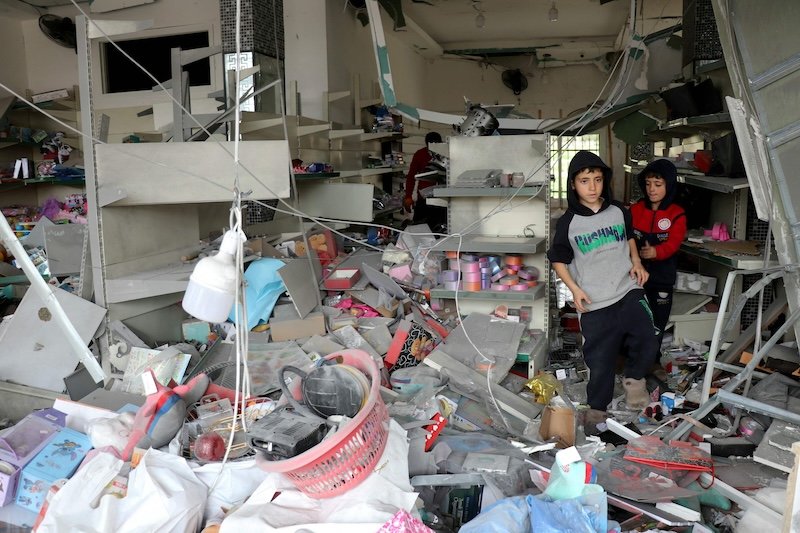
Israel has also violated the 10-day ceasefire multiple times by striking and demolishing towns and villages. Some of the deadly attacks targeted civilians, including a Lebanese journalist Amal Khalil.
The killing has drawn international condemnation. Lebanon’s leadership described the incident as a war crime, while press freedom groups called for accountability.
Lebanese authorities said that nearly 2,500 people have died in the conflict, with thousands more injured.
Lebanese MP Najat Saliba said the extension offered relief to civilians. “Everybody is relieved that the ceasefire is going to continue for another three weeks,” she told the BBC. “This is going to help a lot of people go back to their homes.”
In Beirut and southern Lebanon, residents have started returning to damaged neighbourhoods. Infrastructure and housing remain heavily affected after weeks of air strikes. Israeli forces still illegally occupy parts of southern Lebanon, with no clear timeline for withdrawal.
Lebanon’s ambassador to the United States, Nada Hamadeh Moawad, said her government had called for an end to Israeli attacks. “We expressed Lebanon’s position regarding stopping the Israeli violations and stopping the destruction in the south,” she said after the White House meeting.
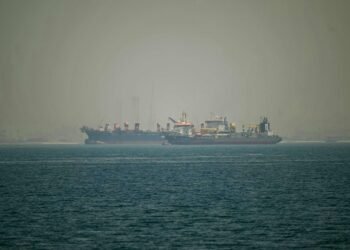
On the other front, negotiations stall due to the US forces upholding their naval blockade in the Strait of Hormuz, a condition that Iranian officials reject as a breach of the ceasefire agreement.
Trump also ordered US naval forces to “shoot and kill” boats laying mines in the strait. US operations have included boarding vessels suspected of carrying Iranian oil. Iran has responded with warnings of retaliation, with officials stating that any further attacks on energy infrastructure would be met in kind.
Iranian leaders have rejected claims of internal division. President Masoud Pezeshkian said there were no factions within the leadership, while Foreign Minister Abbas Araghchi said institutions continued to act with “unity, purpose and discipline”.
The conflict continues to affect the global economy. Oil prices have risen, with Brent crude trading near 100 dollars a barrel. Markets in Asia have shown declines, reflecting concern over supply disruption.
The United Nations has warned of wider consequences. UN development chief Alexander De Croo said more than 30 million people risk falling into poverty due to disruption in fuel and fertiliser supply. “Things that take decades to build up, it takes eight weeks of war to destroy them,” he told Reuters.
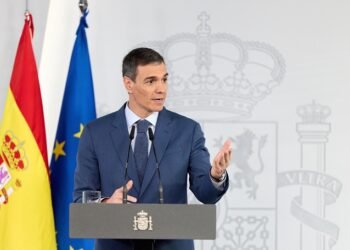
European officials have called for broader negotiations with Iran, including nuclear experts. EU foreign policy chief Kaja Kallas warned that any agreement without technical input would risk failure.
The conflict has also affected civil aviation and regional travel. Kuwait has reopened its airspace after weeks of closure, and Iran has begun restoring domestic flights as part of a phased plan.
HT