For more than seventy years, the People’s United Party has claimed social justice as its guiding principle. George Price built the movement around standing with poor, marginalized and working-class Belizeans. But as families struggle with the cost of living, landownership and controversial development decisions, critics say the party may be drifting away from its grassroots. So, does today’s PUP still represent the values on which it was founded? News Five’s Paul Lopez reports.
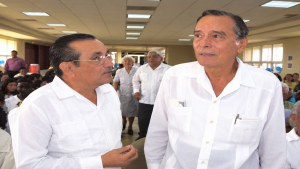 Paul Lopez, Reporting
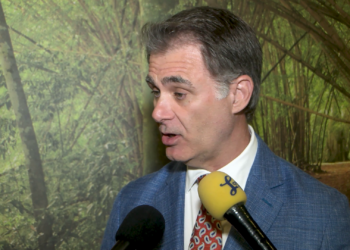
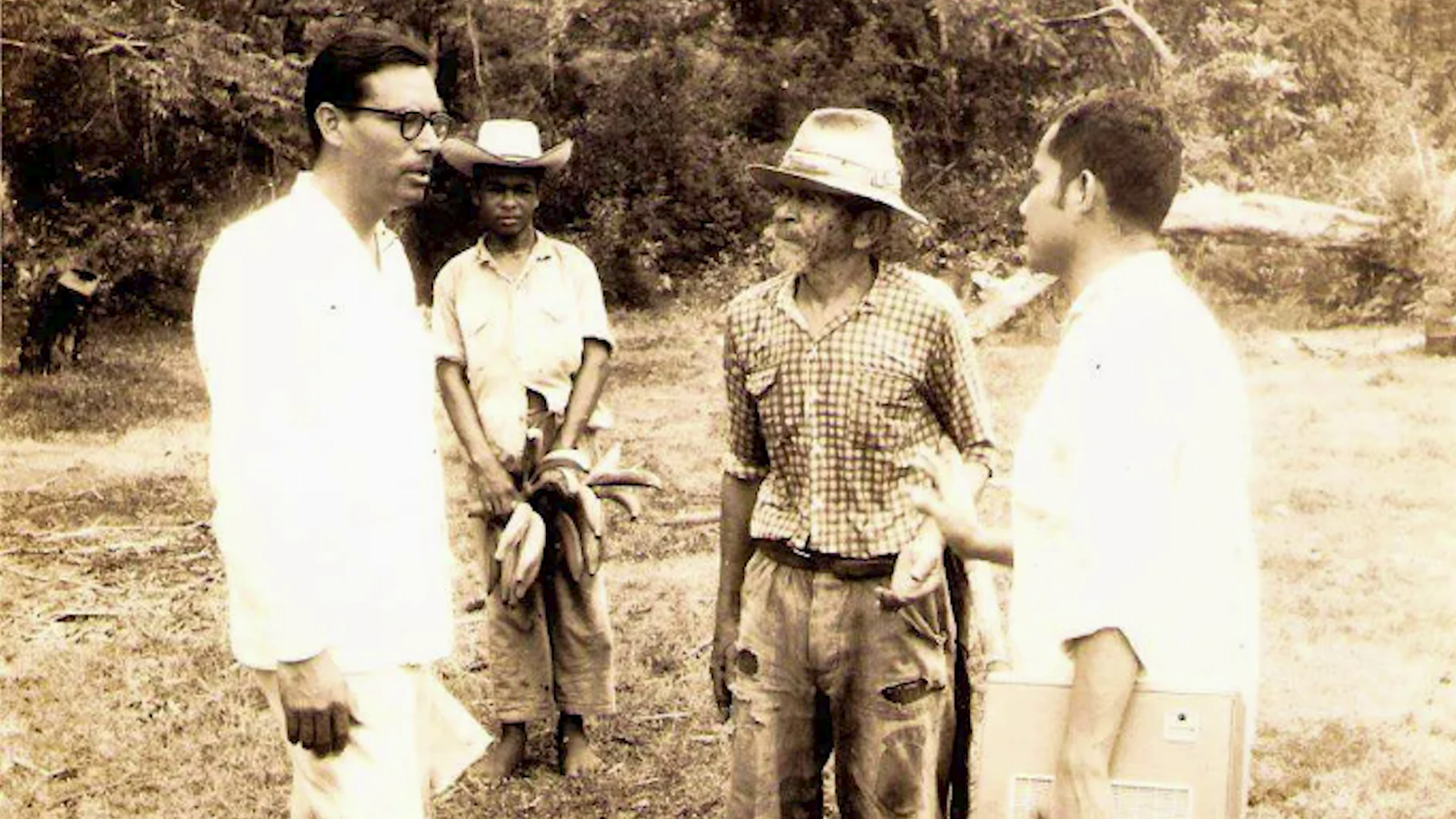
Hector Silva remembers the People’s United Party before it became the political force it is today. He stood alongside George Price as the movement took shape and helped establish its foundation. More than seven decades later, Silva says the party no longer reflects the social justice principles on which it was built.
 On the phone: Hector Silva, Historian
“Minister Julius Espat said that social justice was lacking, which I agree with him, because presently throughout the length and breath of this country and you can hear it on the morning shows, people complaining about a lot of things, injustices being done to people, individuals, groups, name it.”
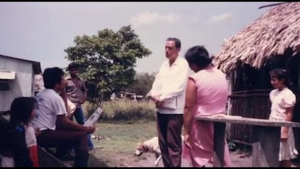 For George Price, social justice was more than a political slogan. It meant putting people before profit. Guided by his Catholic faith, Price believed government should lift up the poor, create opportunities for working families and ensure that development improved life for every Belizean, not just the wealthy and well-connected. That vision lies at the heart of Hector Silva’s criticism today.
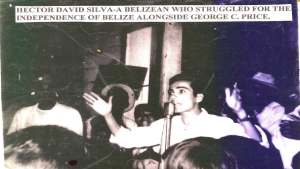 Hector Silva
“We are seeing it at the moment that some people are becoming very prosperous yet some people are becoming very poor. This is no longer a hidden matter. It is a matter that the situation at the moment is that we are getting richer people and more poorer people. That is where the party comes in with social justice. And it says like this, it is not that we want to take away from the rich, but we want to give more to the poor.”
 For many Belizeans, the question is no longer what George Price stood for, but whether today’s PUP still stands for it. Rising cost of living, growing inequality and disputed development decisions have fueled claims that the party has moved away from its social justice roots. Prime Minister John Briceño, however, sees it differently.
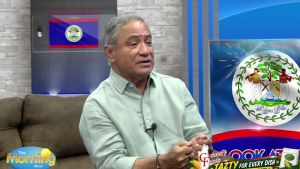
Prime Minister John Briceño
Prime Minister John Briceño
“We are for social justice. The PUP is based on social justice and the time we move from that; we cannot be the PUP.”
On the other hand, senior government officials, including Deputy Prime Minister Cordel Hyde, say the party needs to face the reality that it is no longer what it used to be.
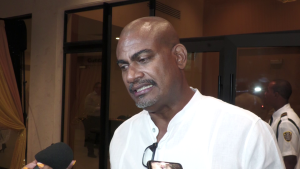
Cordel Hyde
Cordel Hyde, Deputy Prime Minister
“And all is not well, and all is not well. All cannot be well if we are experiencing the kinda crisis that we’re experiencing with the cost of living, the challenges that’s happening all over the world. This is Belize. This is gonna happen here, and it’s gonna happen here on a greater scale, in many instances, and we have to just be..we have to be real. We have to get back to what we were before. We have to get back on track. We have to stay humble. We have to listen. We have to be more loving. We have to be what we were when we started to win.”
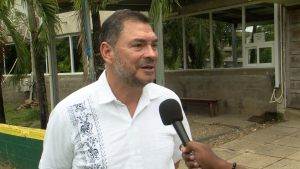
Julius Espat
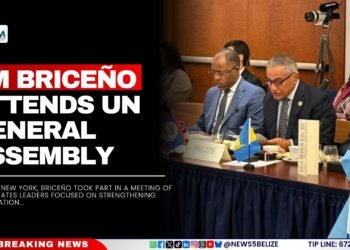
Minister Julius Espat added fuel to the debate in a recent interview. He praised his relationship with Cordel Hyde, saying they both remain committed to George Price’s vision of a PUP rooted in social justice. But Espat’s decision to single out Hyde, while leaving other Cabinet colleagues out of the conversation, did not sit well with Prime Minister John Briceño.
Prime Minister John Briceño
“I really want to publicly correct Julius Espat and I hope he never says that, only he and another minister. All of us, every Cabinet we have, one Cabinet minister will come and say, we have this problem. Look at Minister Chebat with the issue of electricity. It was not Julius Espat as the king of social media, it was not him that come to Cabinet, it was Micho who said PM we need to take off the GST, it will cost of several million dollars, but we need to do something.”
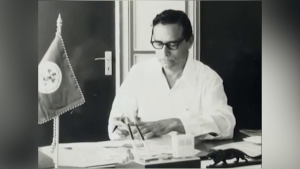 Still, the debate reveals growing tension within the PUP over whether George Price’s vision should remain unchanged or evolve with modern times.
 On the Phone: Dr. Louis Zabaneh, Cabinet Minister
“It is important to ask the question not whether or not someone say they support social justice, but really how that social justice is to be achieved. So we have to ask ourselves what is the world view that is behind a person, and I think that will reveal a lot about whether you agree on the path to achieving social justice.”
 Prime Minister John Briceño says his government remains committed to social justice. But Hector Silva argues that policies should be measured not by political promises, but by how Belizeans live each day. As he reflected on the party’s direction, Silva recalled the final words George Price shared with him.
Hector Silva
“Out of the blue, in front of witnesses he said oh senator, we need a second revolution. I said what for, he said, to bring justice and prosperity to all Belizeans.”
Belizeans will ultimately judge whether the PUP still represents George Price’s ideals by asking one simple question: who is government really serving? Paul Lopez, News Five.
Attention readers: This online newscast is a direct transcript of our evening television broadcast. When speakers use Kriol, we have carefully rendered their words using a standard spelling system.
Watch the full newscast here: