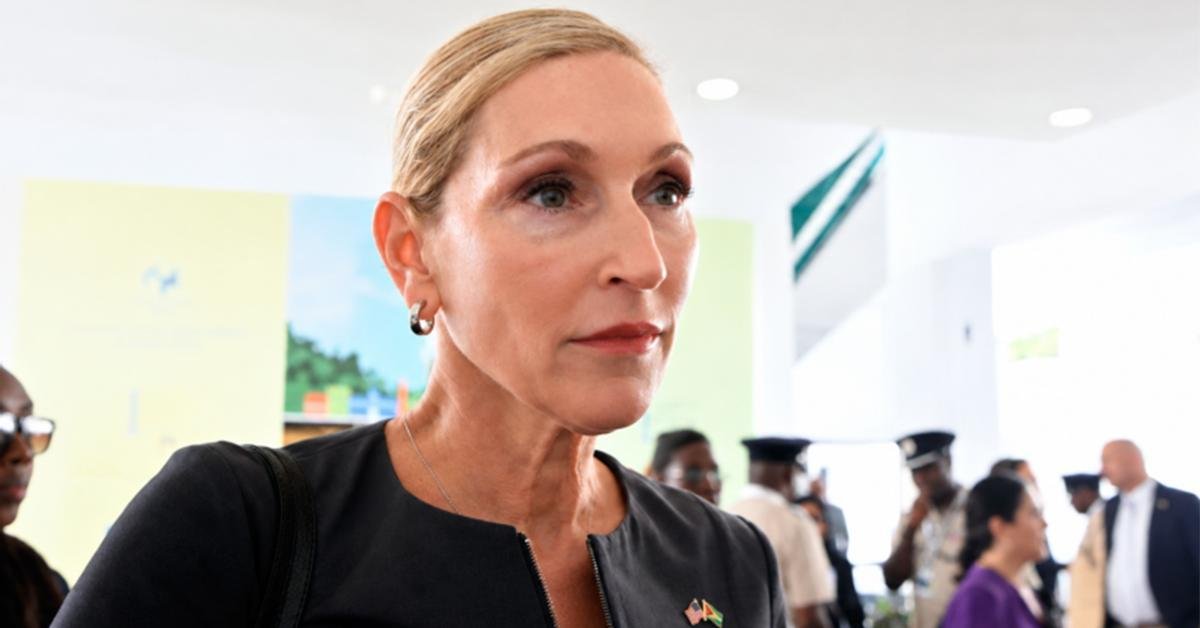
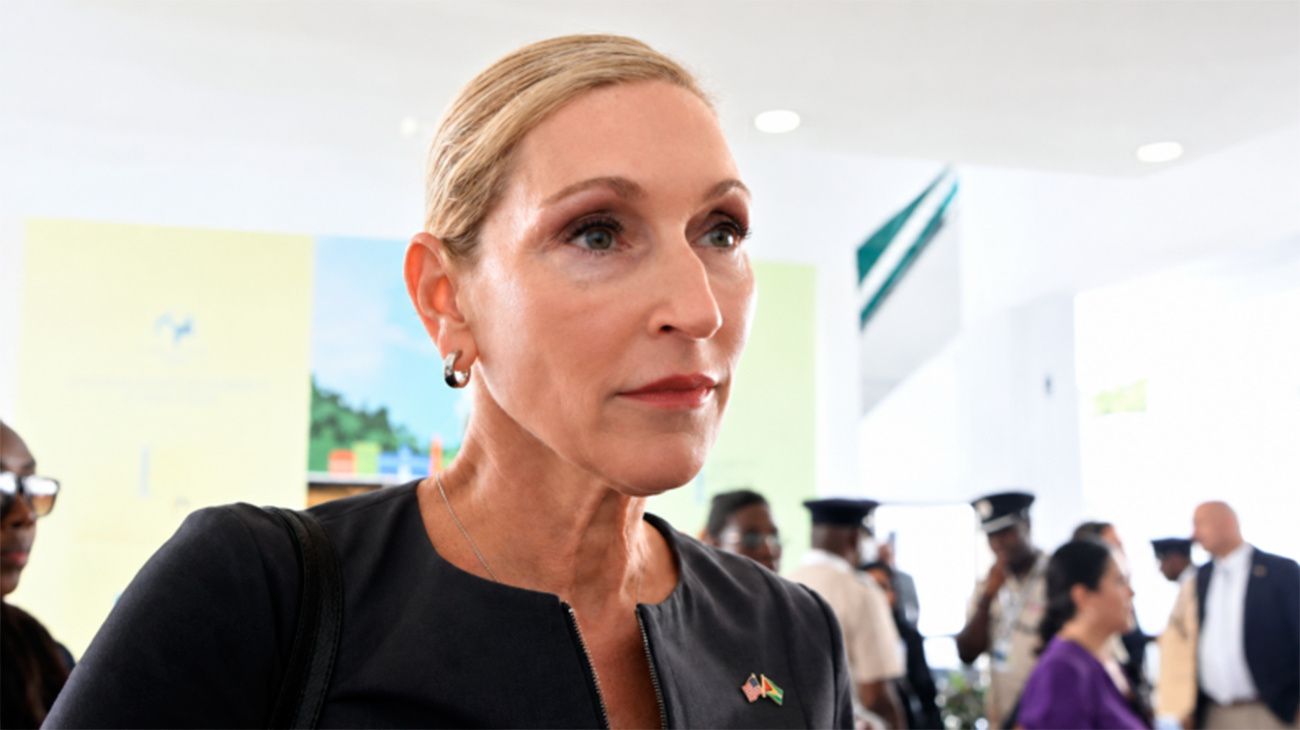
Havana/Guyana received 7.8 million US dollars in exchange for receiving 12 deported migrants each month over a two-year period. The money, according to the US ambassador to the South American country, Nicole Theriot, “is used by the International Organization for Migration (IOM) for the resettlement of these people or their return to their country of origin.”
Theriot told local media that people expelled by Donald Trump’s Administration also receive “job training.” The diplomat said that it is “a comprehensive program that covers their general well-being: health, medical care, housing, food and the possibility of communicating with their families. It is a complete package.”
However, the initial plan has not come to fruition. Theriot acknowledged that they could only be sent to four Cubans and two Afghan citizens at the beginning of the month, because Georgetown rejected several of those enlisted on that first flight.
The procedure is as follows, the envoy explained, “we provide a list of candidates and the Government of Guyana selects those it deems acceptable, and then we carry it out.”
The Guyanese Administration of Irfaan Ali takes the names and profiles of the deportees that the United States gives it and crosses that information with the criminal databases of the Caribbean Community (Caricom). “The Government has stated that it will not admit anyone with a criminal record, which is entirely appropriate and within its rights,” Theriot admitted.
The agreement with Guyana is one of those that the United States has with 35 nations on the sending of deported migrants to third countries and which has a budget of 410 million dollars
The agreement with Guyana is one of those that Washington has with 35 nations on the sending of deported migrants to third countries and has a total budget of 410 million dollars, according to information compiled by Forbidden Stories. According to the map of this same platform, between January 20, 2025 and August 31, 2026, at least 25,447 of these shipments.
The contract with Guyana, as it appears on the Forbidden Stories map, It was formalized in November of last year. Through it, Georgetown commits that none of those deported by the United States will be sent to “a nation where they could be subject to persecution or torture, including their country of origin.”
Forbidden Stories, an international network of non-profit investigative journalists, detailed based on internal documents of the State Department, that 81 million were reserved for the signatory governments. The rest is destined for humanitarian organizations, according to the investigation, among them two dependent on the UN: 178 million dollars for the International Organization for Migration (IOM) and 123 million for the Agency for Refugees (UNHCR).
Guyana is home to a very large Cuban community. According to information from Bloombergmore than 135,000 Cubans settled in the country during 2025. In addition, it has also become an important migratory route to other regions of South America, such as Brazil.
Guyana and Cuba have maintained diplomatic relations since 1972 and, until February of this year, they had a health cooperation agreement that lasted for 48 years. After the end of the agreement, Georgetown chose to directly hire Cuban professionals who wanted to work in the country and met the requirements of local authorities, outside of the state scheme through which the Cuban Government receives most of the income generated by its doctors abroad.