Denmark marks its Constitution Day on June 5th and the day is the closest the country has to a national day. But how big a deal is the day in Denmark?
What is Constitution Day?
Constitution Day, which is Constitution Day in Danish, marks the beginning of democracy in Denmark.
From 1660 until 1849 Denmark had been an absolute monarchy, (absolute power), with the King having complete power over the country.
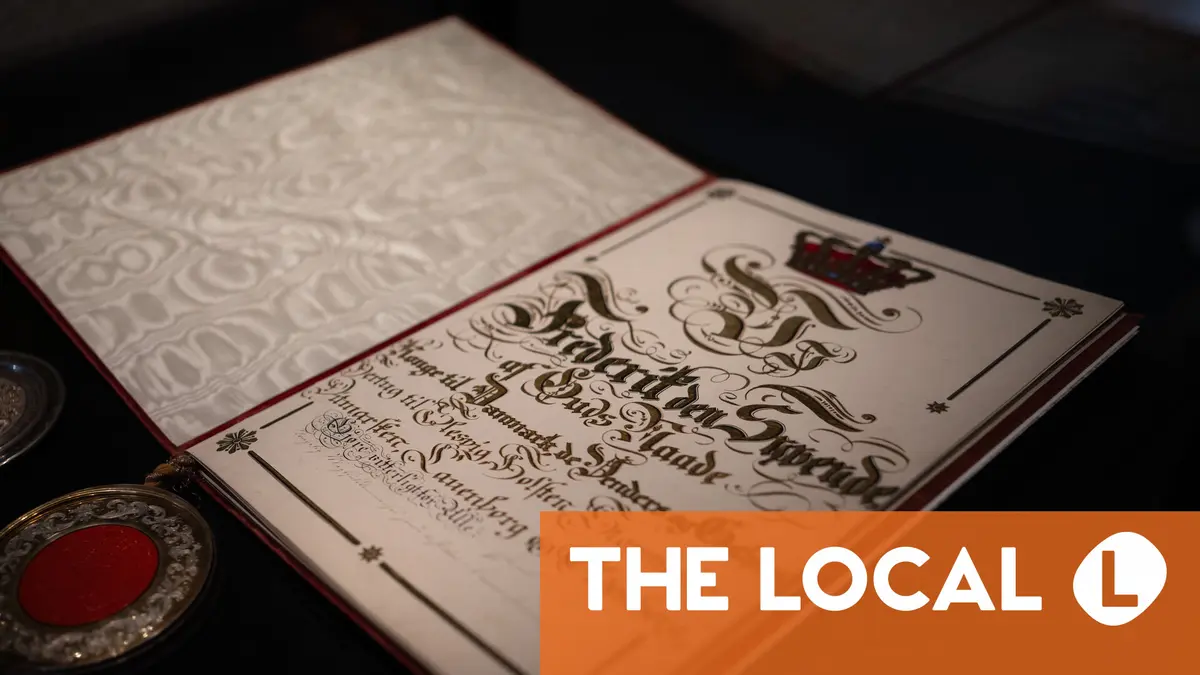
On June 5th, 1849, King Frederik VII signed the first democratic constitution and established a constitutional monarchy in Denmark, with a representative parliamentary system.
Denmark’s constitution is unique because it has never been amended, but rather rewritten every time any amendment has been brought in.
READ ALSO: Why doesn’t Denmark have a national day like Norway’s May 17th?
New constitutions were written in 1866, 1915, 1920 and finally in 1953, to include changes such as the elimination of the upper chamber of parliament; allowing women to inherit the throne and voting rights for women.
Constitution Day 2024 was a notable edition because it marked 175 years since the first Danish Constitution. A special celebration, attended by the King and Queen and other royal representatives, was held at the Christiansborg parliament.
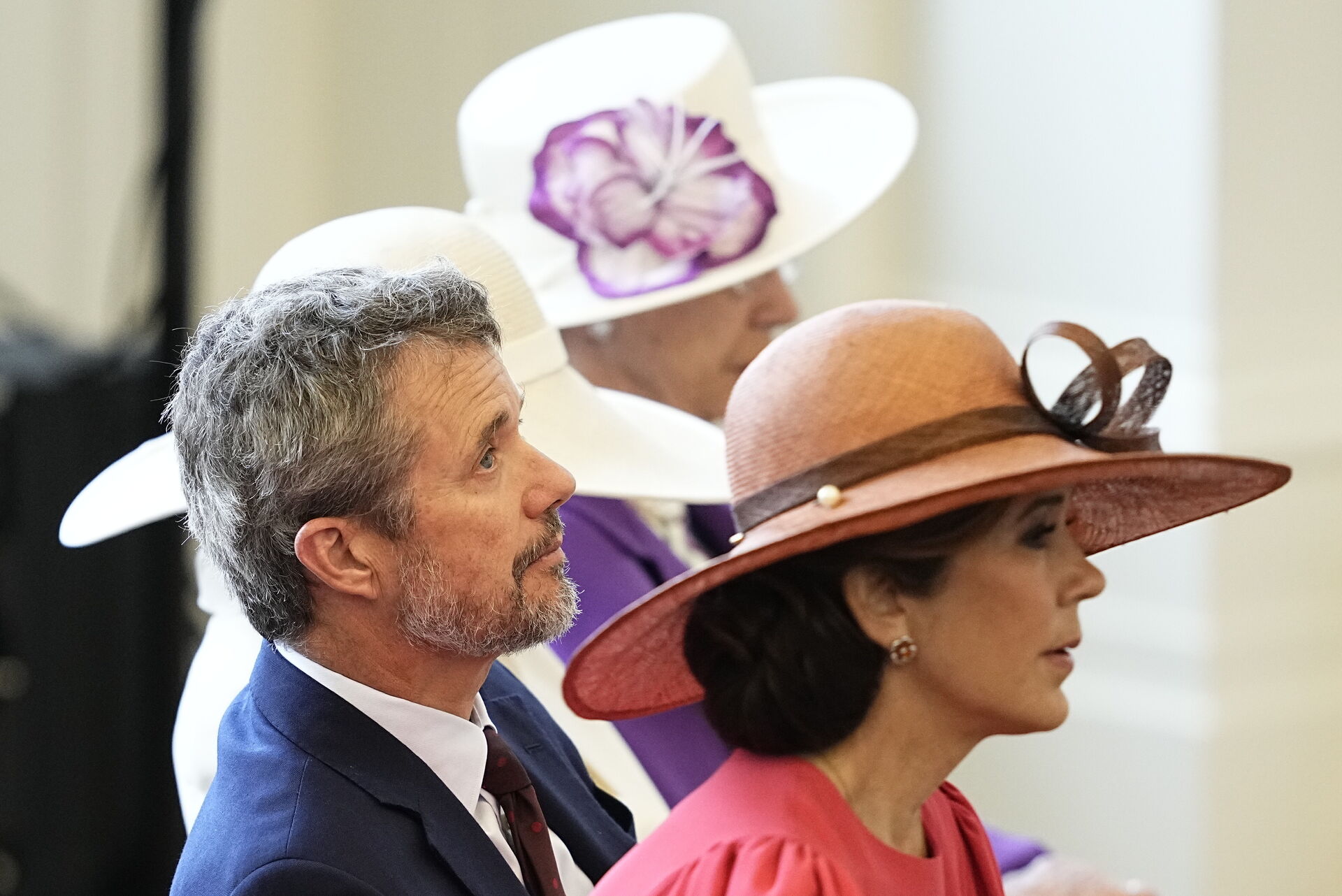
King Frederik and Queen Mary at parliament’s Constitution Day celebration in 2024. Photo: Mads Claus Rasmussen/Ritzau Scanpix
Why is it important?
With the constitution, Denmark became a democracy and the country is one of the oldest democracies in the world, which is something the Danes are very proud of.
Today, the constitution is regularly challenged in political debate, so the day is a reminder of the freedom and equality people in Denmark experience and the changes that have occurred in Denmark.
When is Constitution Day celebrated?
Constitution Day is always celebrated on June 5th. This also happens to officially be Father’s Day in Denmark; a tradition adopted in 1935 and a different day to other Scandinavian countries.
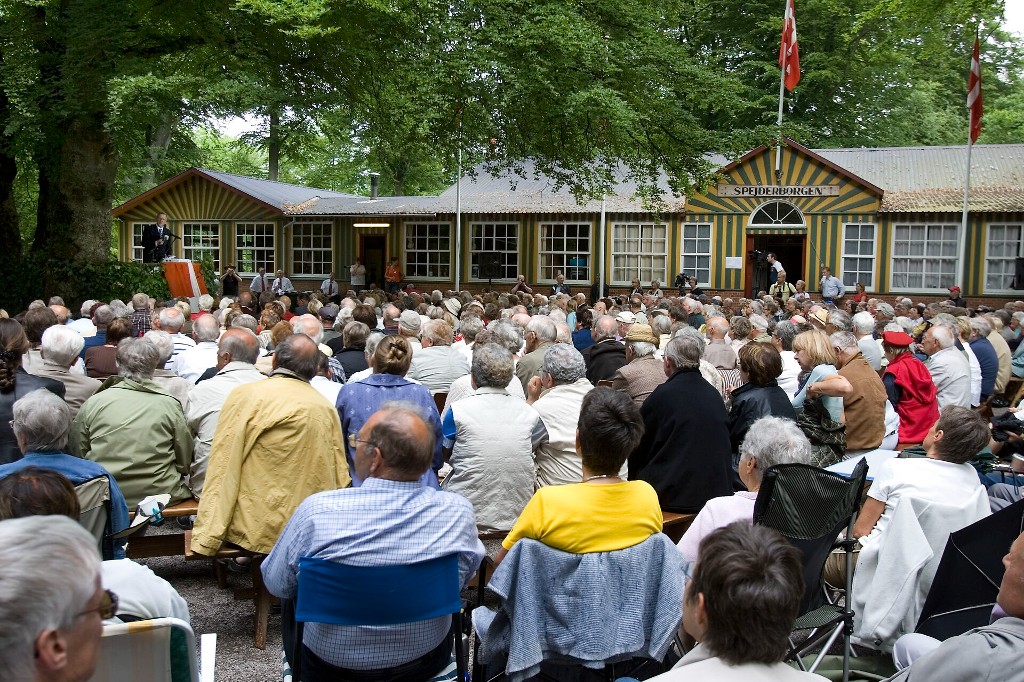 A traditional constitutional meeting in Terndruplund, Himmerland. Constitutional meetings have been held here since 1853. Photo: Henning Bagger/Ritzau Scanpix
Is Constitution Day a public holiday?
The day has never been a public holiday (holiday) but is a “collective bargaining agreement determined day off” (contractual holidays), which means trade unions negotiate it with employers’ organisations.
This means some people have to work but many are given half a day or a full day off. From 1891 until 1975, people were given half a day off work.
READ ALSO: How many public holidays does Denmark have compared to other countries?
Government offices, banks, the education sector and some shops close for the whole day, whereas private companies decide individually whether to give employees time off.
If Constitution Day falls at a weekend, then most things will operate as you’d expect at a weekend.
How is the day celebrated?
While it is the closest day to a national day of celebration for Denmark, it is not celebrated the same way as in countries such as Norway, where the day marks independence.
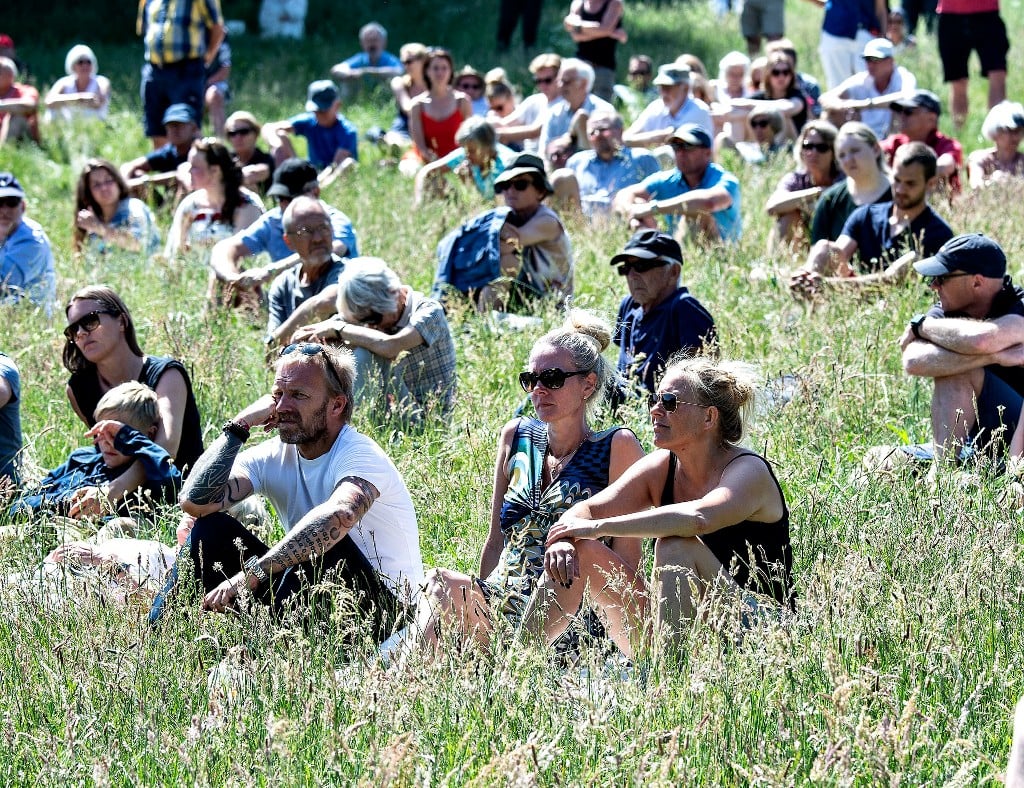 Archive photo of an audience listening to a constitutional speech (constitutional speech) in Aarhus. Photo: Henning Bagger/Ritzau Scanpix
As most businesses and shops are closed, many people in Denmark celebrate by attending events open-air gatherings at public parks, called outdoor events. There is often food and drink on offer (mainly hot dogs and beer) and people join in with group singing (joint singing) and perhaps light a bonfire at night.
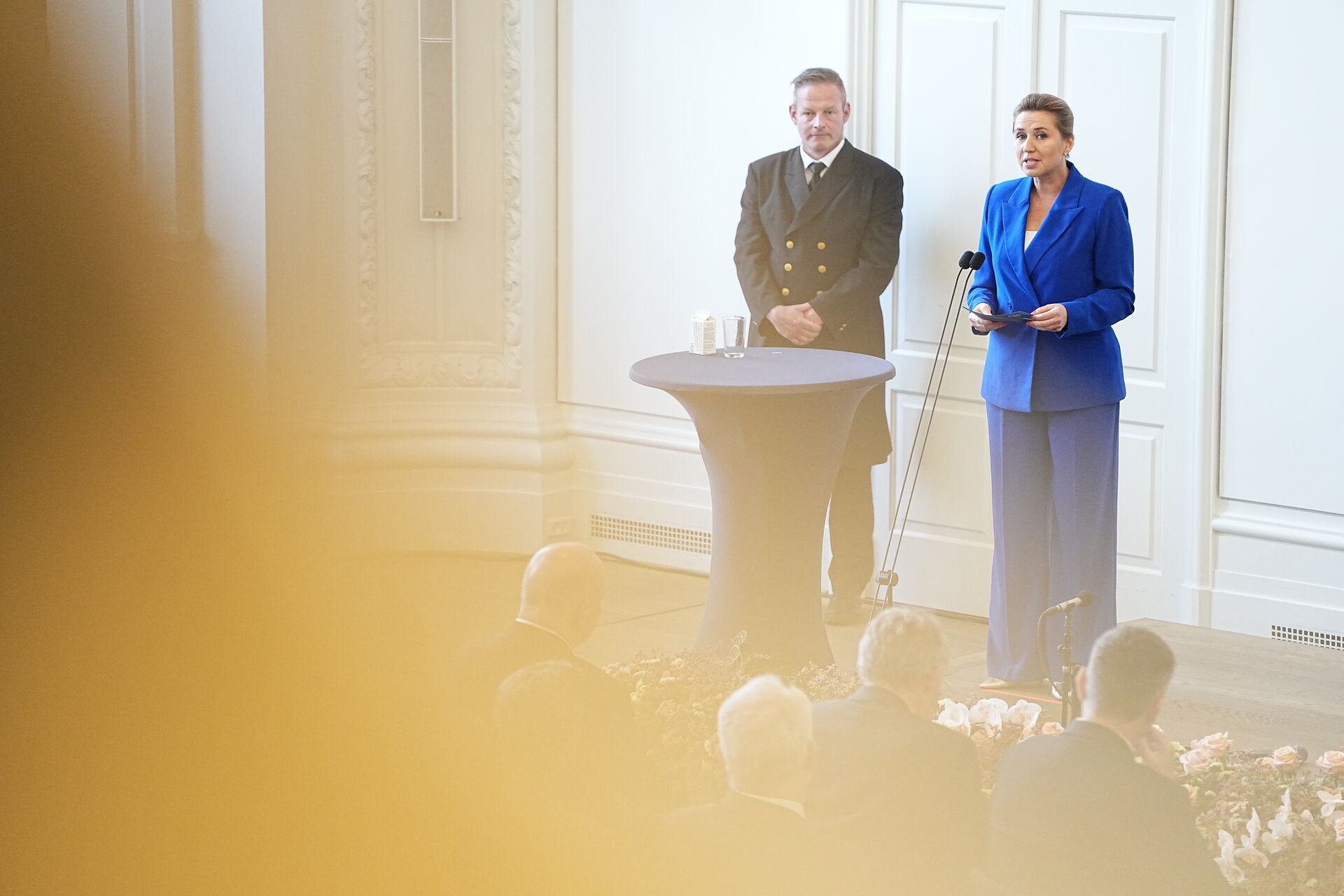
Prime Minister Mette Frederiksen gives a Constitution Day speech at Christiansborg in 2024. Photo: Mads Claus Rasmussen/Ritzau Scanpix
Political parties will have Constitutional meetings (constitutional meetings orconstitutional festivals) with speeches (constitutional speech), which are often more campaigning than celebrations of the Danish constitution. But there is still an element of the people’s celebration (folk festival).
The biggest parties for Constitution Day are always held in the same places each year, for example Tangkrogen in Aarhus and Fælledparken or Kongens Have in Copenhagen.