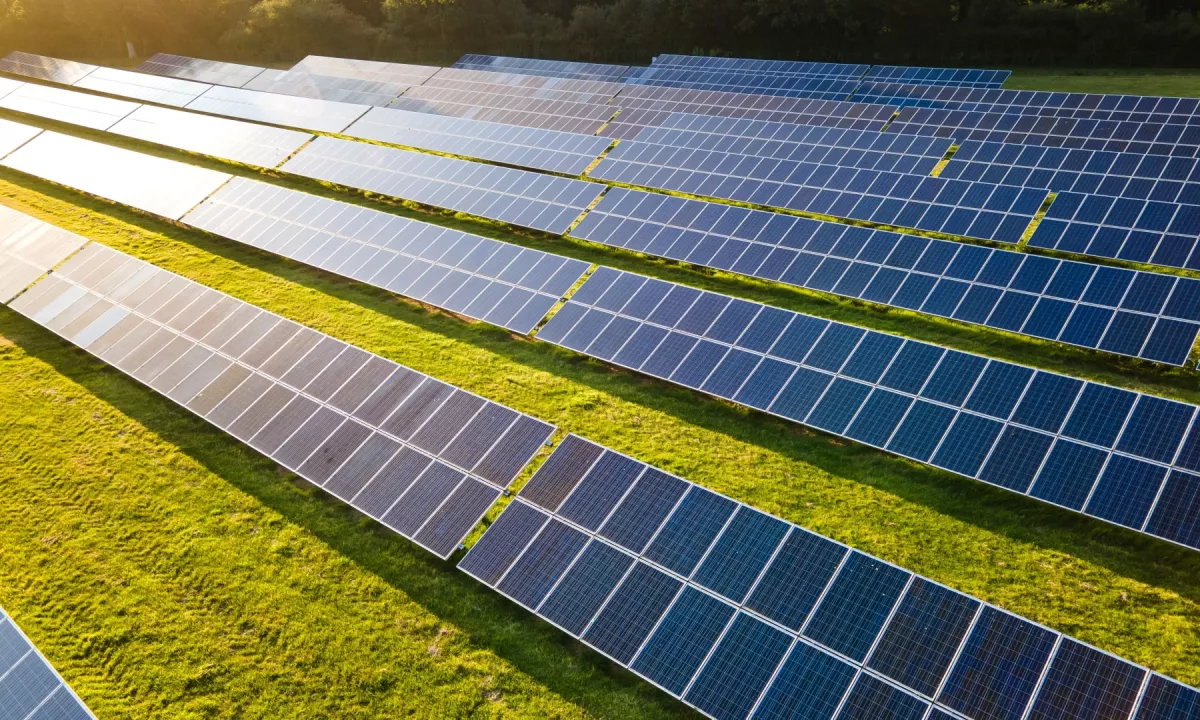
Due to the sunny weather, German solar power plants simultaneously transmitted huge amounts of electricity to the grid at noon on Sunday, the first weekend in May. Photo: iStock
Germany has too much electricity, electric cars should help
In Germany, the last weekends have been warm and sunny, and for the power grid this means a problem. Namely, enormous amounts of electricity from solar sources come into the grid, which no one needs. New data shows: electric cars and heat pumps could help.
The first weekend of May already showed what is likely to await Germany during the weekend and holidays. Due to the huge oversupply of electricity, prices on the stock exchanges crashed: according to the data of the electricity exchange Epex, prices on the so-called spot market, where electricity is traded in real time, partially fell to minus 500 euros per megawatt hour. This means that traders and suppliers who bought electricity at that time even got paid for it.
The reason for the excess was weather and time. Due to the sunny weather, German solar power plants simultaneously transmitted huge amounts of electricity to the grid at noon on the first Sunday in May. According to the data of the European association of transmission network operators Entso-E, almost 44 gigawatts of solar energy flowed into the network around 12 noon, and its share in German consumption amounted to 94 percent at noon.
On sunny holidays and weekends, electricity consumption in Germany is significantly lower than during normal working days. The result: huge supply meets low demand.
German record of negative prices
In fact, electricity price crashes are an increasingly common phenomenon in Germany. According to the assessment of the industry association Smart-Meter-Initiative (SMI), electricity prices on the stock exchange will be between 700 and 900 hours below zero this year – which would be a new record.
According to the data of the initiative, the number of hours with negative electricity prices has increased significantly since 2022: from 69 hours then to 575 hours last year. For the year 2026, a new significant increase is now indicated.
Expensive negative electricity prices
In the end, consumers and taxpayers also bear the consequences. Older green energy plants continue to receive guaranteed payments regardless of the market price of electricity. If the price falls into negative territory, the difference must be covered.
In addition, the high costs of the so-called redispatch measures arise – this means a targeted increase or decrease in the production of power plants to stabilize the grid. These costs are transferred to electricity bills through network fees, and according to some estimates they amount to hundreds of millions of euros.
The Smart-Meter initiative, which is backed by green energy providers Tibber, Octopus Energy, Ostrom and Rabot Energy, sees households as a hitherto underestimated part of the solution.
According to the initiative’s rough calculation, heat pumps, electric cars and domestic battery systems could in the future provide a large part of the spare capacity that the German government wants to create through the so-called capacity mechanism.
“Unexploited potential” in German households
German Economy Minister Katherine Reiche is currently planning additional total electricity capacities of 29 gigawatts. These mainly include new gas power plants, battery storage systems and industrial plants that can adjust their electricity consumption flexibly.
“The growing number of home batteries, electric cars and heat pumps hides a huge, hitherto almost untapped potential for flexibility in German households,” says energy expert Ralf Walther from Tibber.
According to the initiative, German households could provide up to 15 gigawatts of this flexibility – roughly half of the planned mechanism.
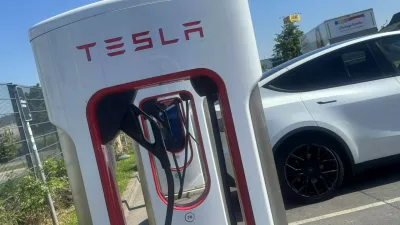
The principle is simple: battery storage could receive electricity when there is too much of it, and later emit it back into the grid. The potential would be particularly great if electric cars could in the future feed electricity back into the grid (“vehicle-to-grid” or V2G system).
At that time, households could theoretically cover up to 90 percent of the planned reserve capacity. In practice, however, there are still major technical barriers to this – for example, local electricity grids and charging infrastructure.
Germany lags behind in smart meters
The central problem is the slow installation of intelligent electricity meters. Smart meters are a prerequisite for flexible management of electricity consumption and the use of dynamic tariffs.
According to the initiative, the share of smart meters in Germany at the end of 2025 was only 5.5 percent. With this, Germany is still among the backward countries in European comparison.
For years, critics have pointed to complex jurisdictions, slow approval processes and high bureaucratic requirements. The initiative therefore calls for simpler rules and greater centralization of the data infrastructure.
“Given the ever-new records for the number and level of negative electricity prices, we can no longer afford such a slow introduction of smart meters,” says Walther.
Companies follow their own interests
However, the companies participating in the initiative also pursue their own economic interests: dynamic electricity tariffs and flexible consumption management are a central part of their business models. Therefore, their estimates of the possible contribution of private households are rather optimistic.
Even the German Federal Grid Agency attributes great potential to technologies such as vehicle-to-grid. If V2G were used consistently, there might not be a need for the current rapidly growing fleet of large battery farms, according to the agency’s Security of Supply report released in September.