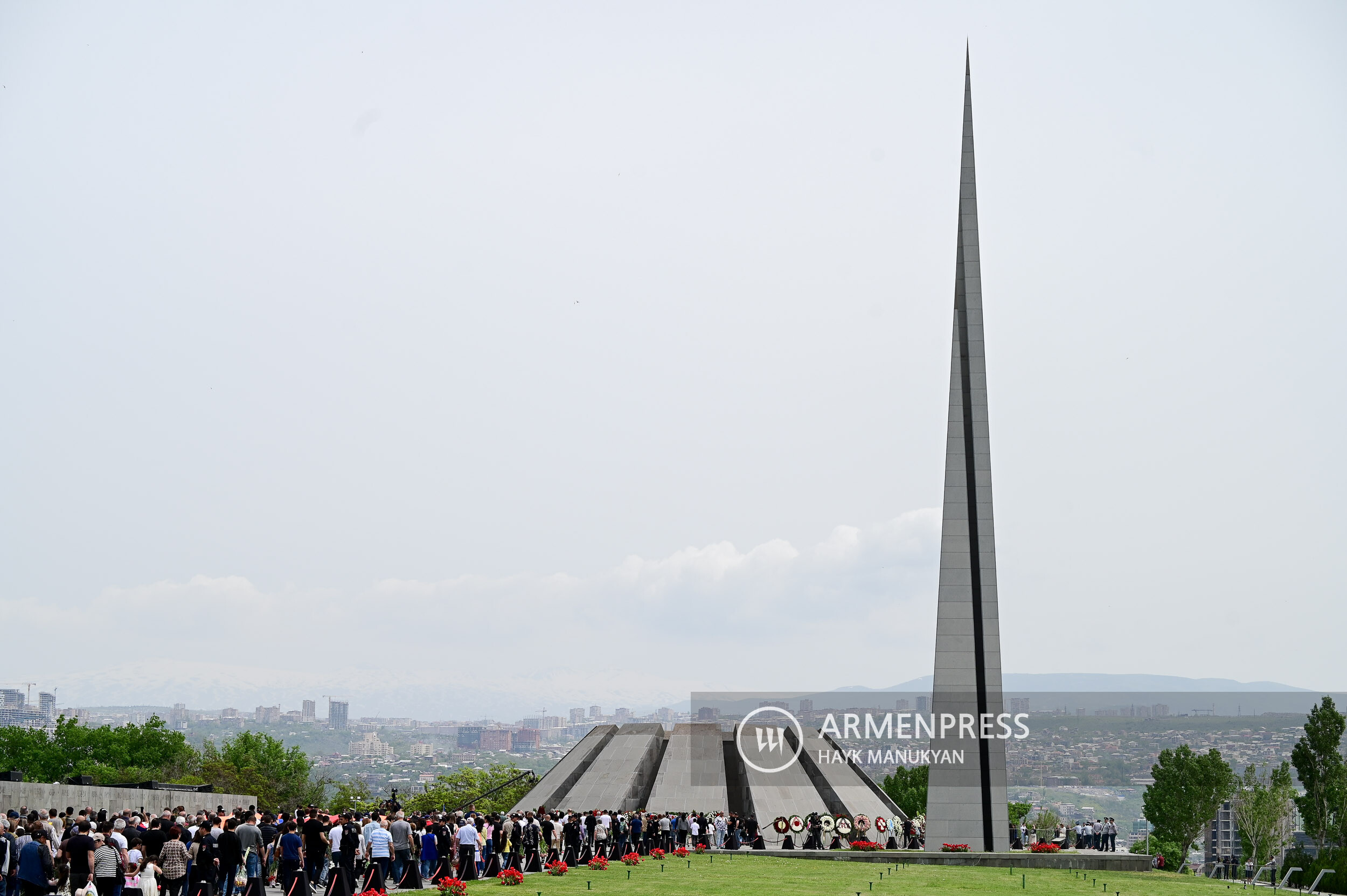
Armenia, Armenians around the world, as well as many other countries commemorate the 111th anniversary of the Armenian Genocide.
The massacres of the Armenian population in the Ottoman Empire during the First World War are called the Armenian Genocide.
Those massacres were carried out by the Young Turk government in different regions of the Ottoman Empire.
The first international response to these events was in 1915. It was the joint statement of France, Russia and Great Britain on May 24, where the violence committed against the Armenian people was described as a “crime against humanity and civilization”. The parties considered the Turkish government responsible for the committed crime.
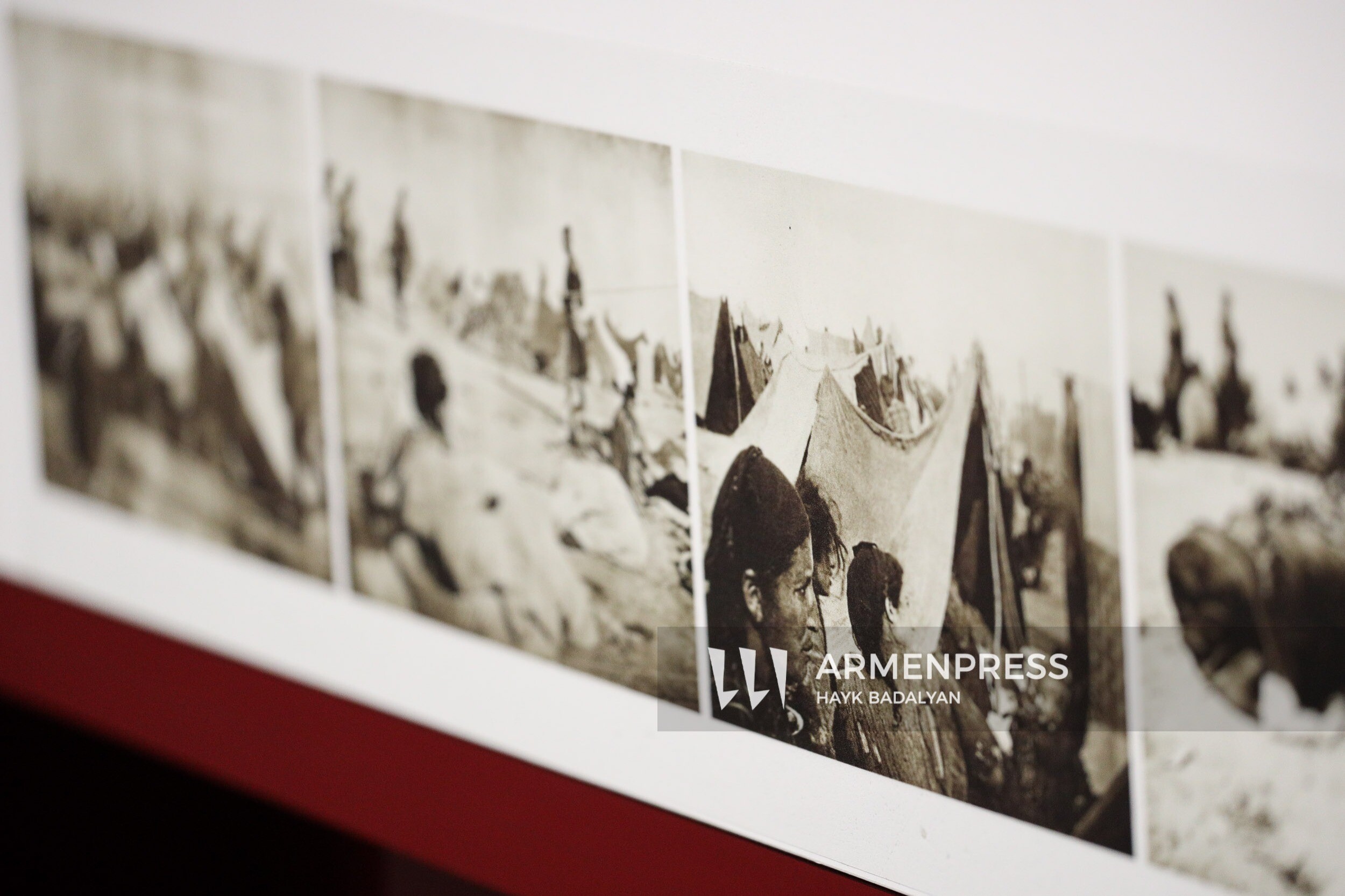
Why?And was the Armenian Genocide carried out?
When the First World War began, the Young Turk government, trying to preserve the remnants of the weakened Ottoman Empire, adopted the policy of Pan-Turkism, that is, the creation of a vast Turkish Empire that would extend to China, including all the Turkic-speaking peoples of the Caucasus, Central Asia. The plan envisaged the Turkification of all ethnic minorities. The Armenian population was seen as the main obstacle to the implementation of this plan.
Perhaps the Armenian Genocide was planned as early as 1911-12, but the Young Turks used the start of World War I as an opportune moment to carry it out.
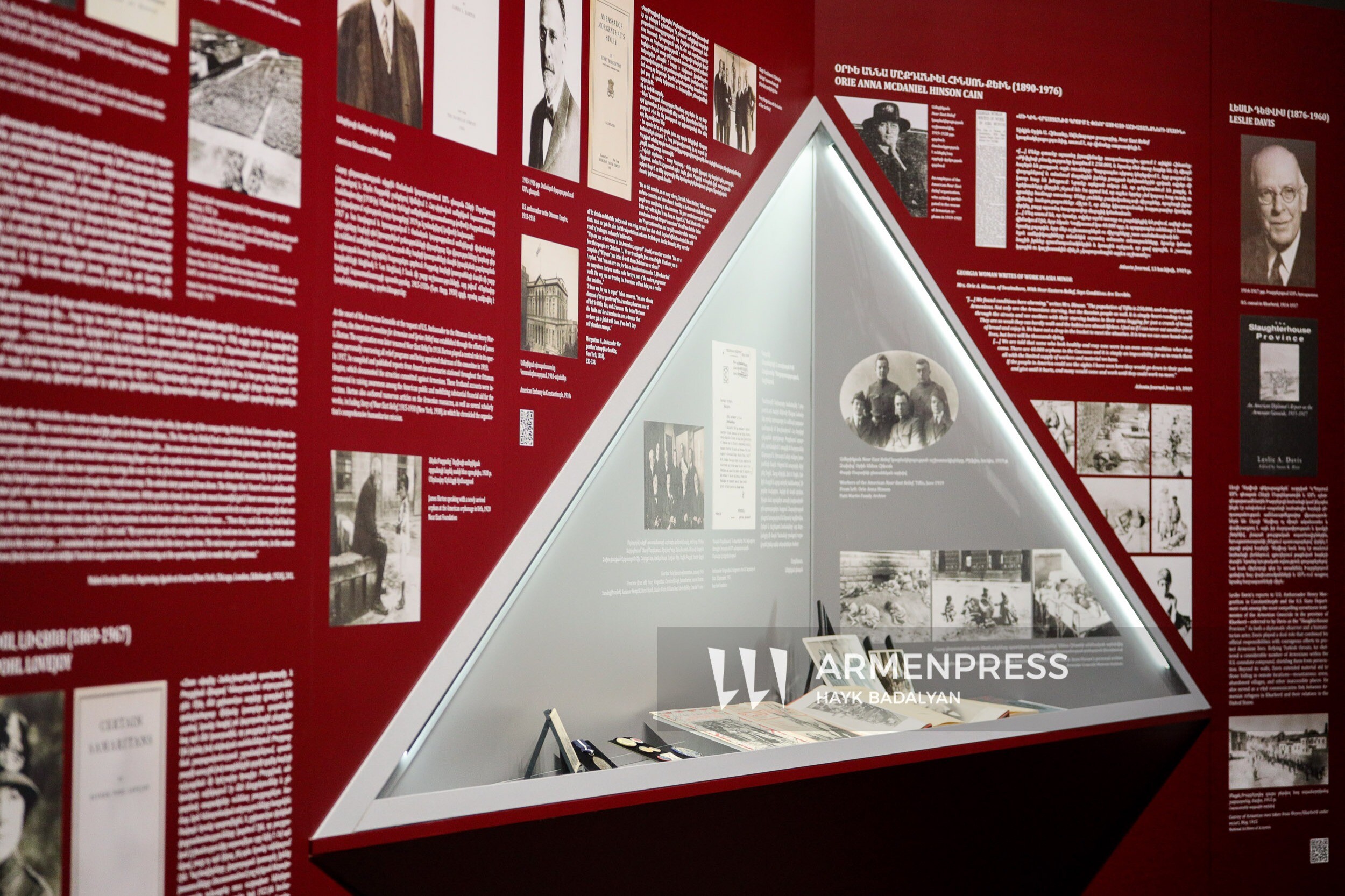
What is the number of victims of the Armenian Genocide?
On the eve of the First World War, more than two million Armenians lived in the Ottoman Empire. Around one and a half million Armenians were killed in 1915-1923. period, and the rest were either forcibly converted to Islam or took refuge in different countries of the world.
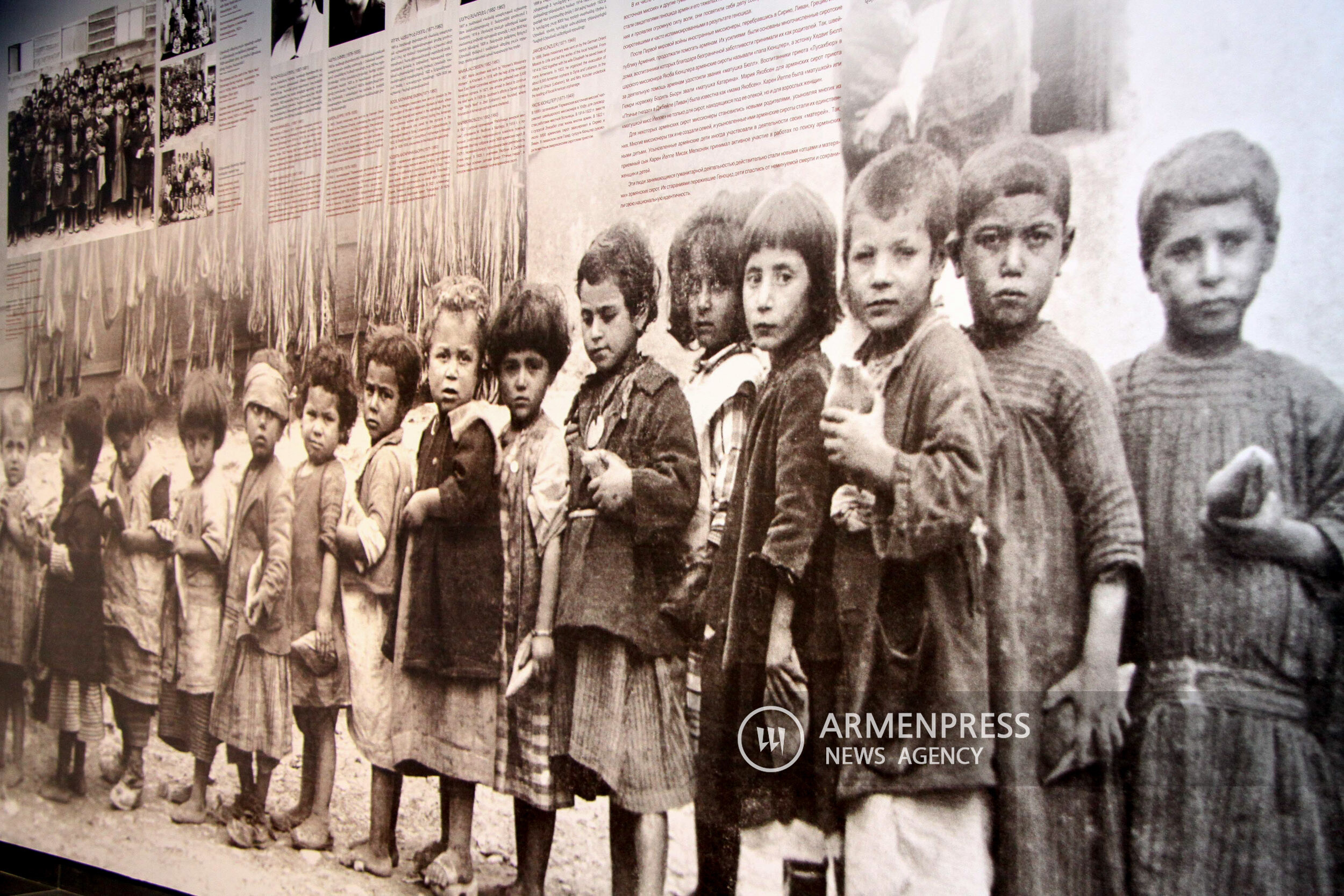
The mechanism of the genocide
Genocide is the organized extermination of a group of people with the primary purpose of ending their collective existence. Therefore, the implementation of genocide requires centralized planning and internal implementation mechanisms, which makes genocide a state crime, since only the state has all the resources that can be used to implement this policy.
1915 The first phase of the extermination of the Armenian population began with the arrests (mainly in Constantinople, the capital of the Ottoman Empire) and the destruction of hundreds of Armenian intellectuals that began on April 24. Later, Armenians around the world began to celebrate April 24 as a day of remembrance for the victims of the Armenian Genocide.
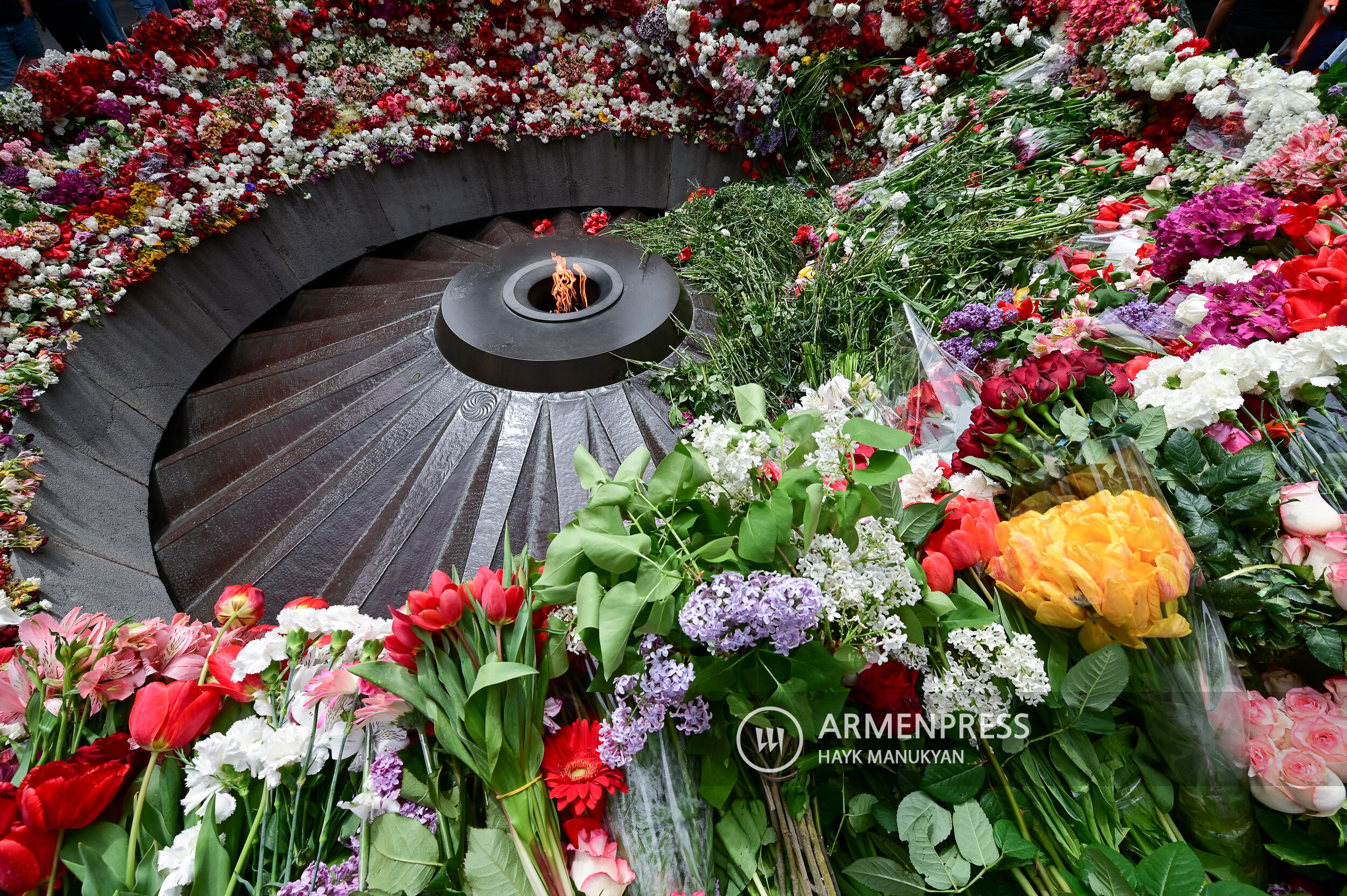
The second stage of the implementation of the Armenian Genocide was the conscription of about 60,000 Armenian men into the Turkish army, who were later disarmed and killed by their Turkish comrades-in-arms.
The third stage of the genocide was marked by the slaughter of women, children, and the elderly and their deportation to the Syrian desert. During the deportation, hundreds of thousands of people were killed by Turkish soldiers, police, Kurdish and Circassian gangs. Many died of starvation and epidemic diseases. Thousands of women and children were subjected to violence. Tens of thousands of Armenians were forcibly converted to Islam.
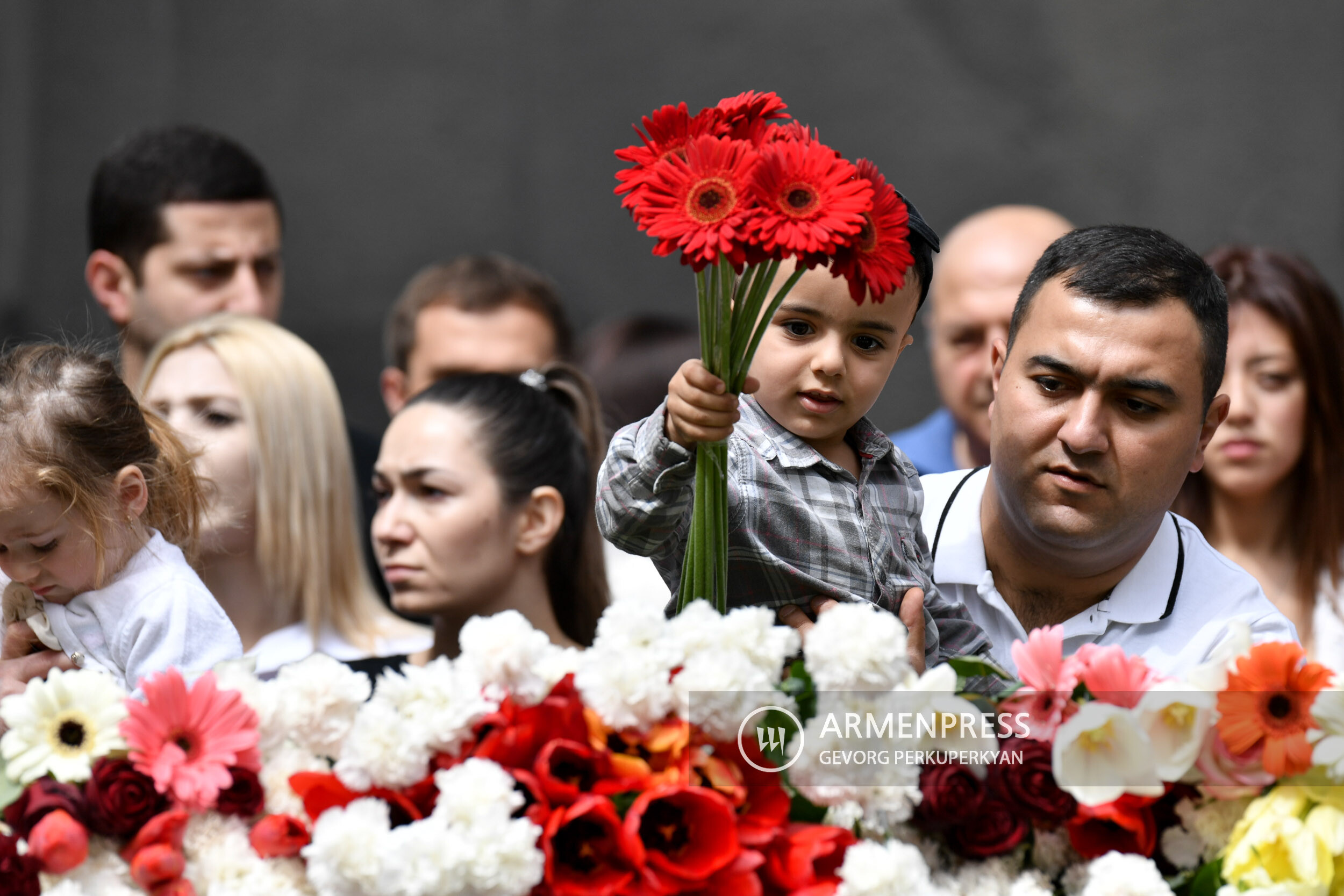
Finally, the last phase of the Armenian Genocide is the absolute denial by the Turkish government of mass deportations and mass exterminations against the Armenian nation in its own homeland. Despite the ongoing process of international recognition of the Armenian Genocide, Turkey is fighting against the recognition of the Armenian Genocide in every possible way, including using historical manipulations, various means of propaganda, lobbying, etc.
The term genocide in 1944 was put into circulation by a Polish lawyer of Jewish origin, Professor Raphael Lemkin. Lemkin’s family was one of the victims of the Jewish Holocaust, and with this term he wanted to describe and define the Nazi systematic policy of murder and violence, as well as the 1915 Atrocities committed against Armenians in the Ottoman Empire.
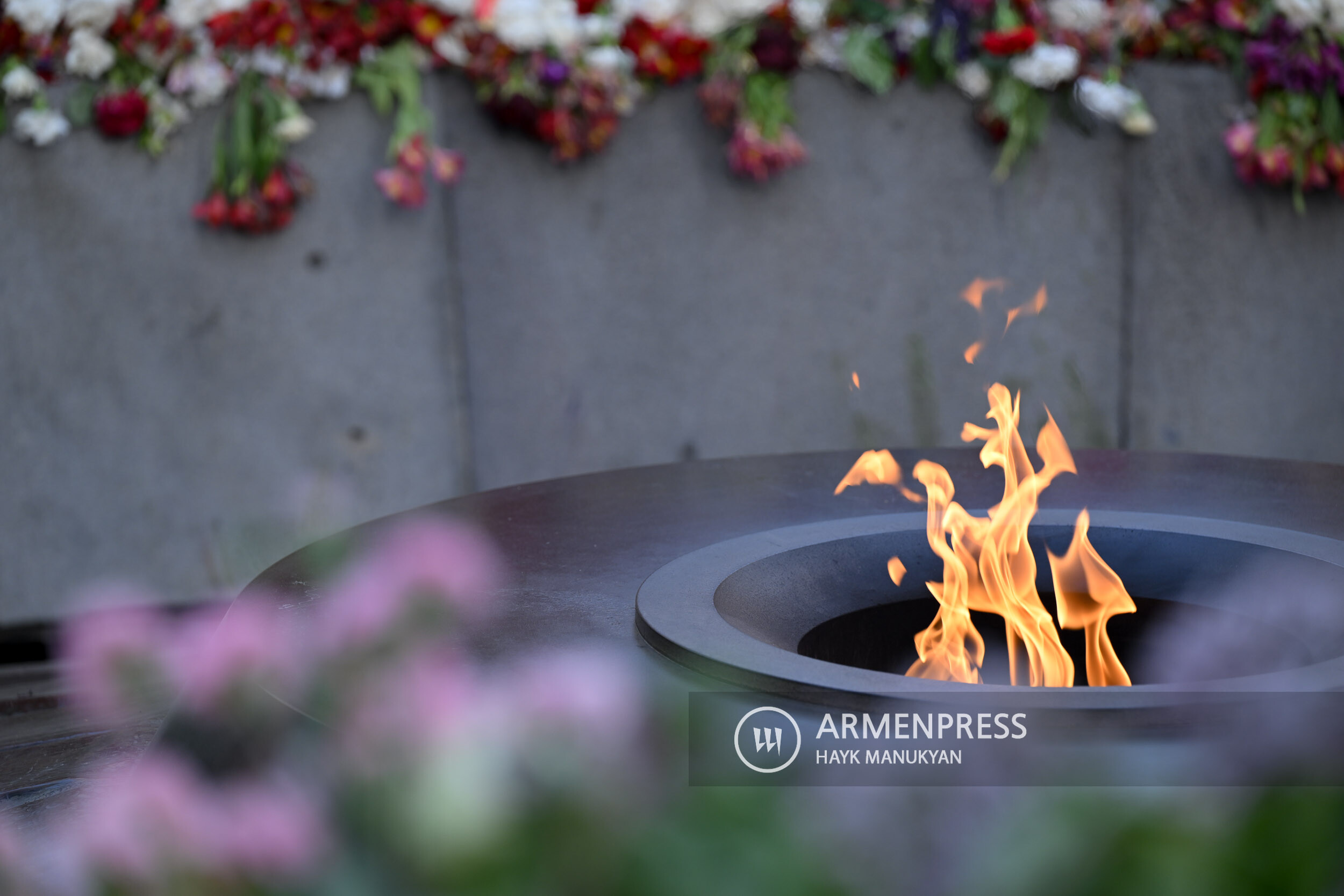
1948 On December 9, the United Nations adopted the Convention on the Prevention and Punishment of the Crime of Genocide, according to which genocide is defined as an international crime and the signatory states are obliged to prevent and punish those who commit genocide.