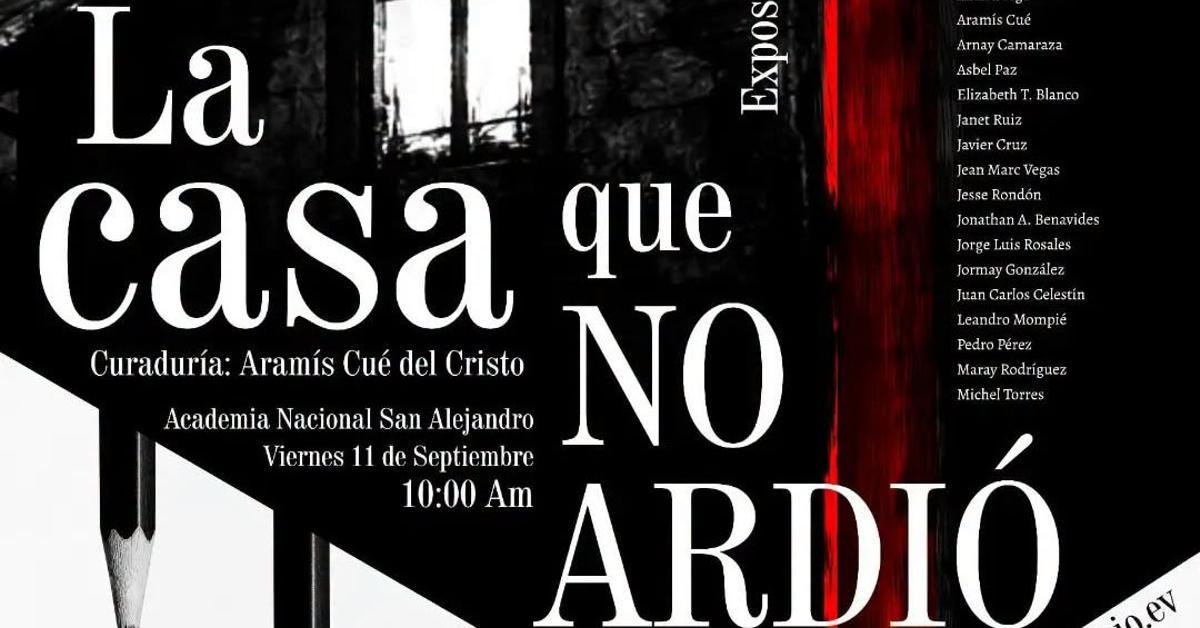
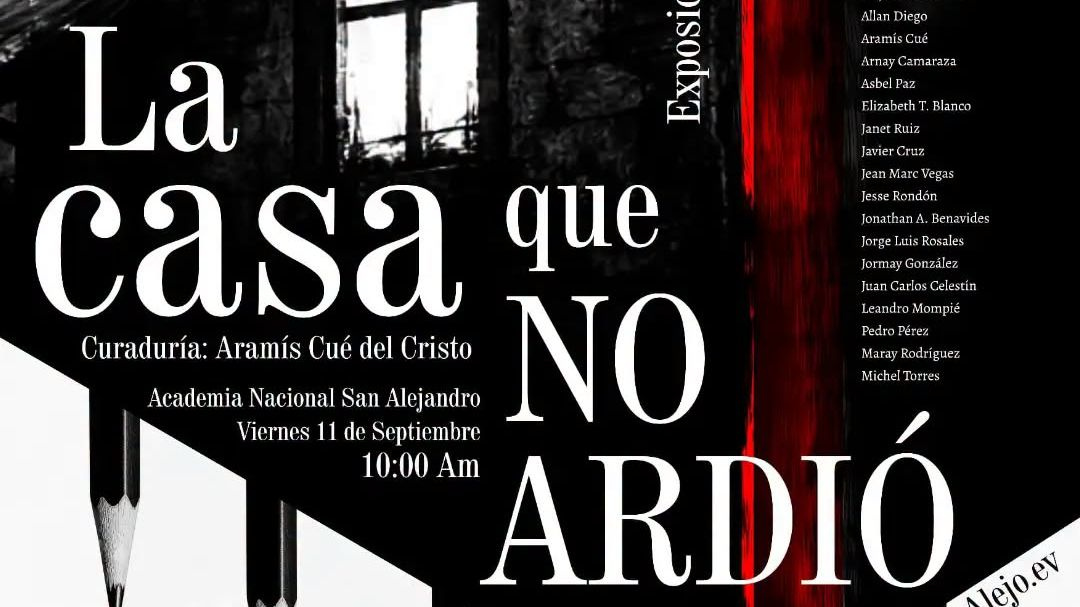
Havana/The San Alejandro National Academy of Fine Arts hosts the collective exhibition The house that did not burna tribute to the Cuban artist, professor and art historian Rogelio Machado García, who for 45 years has been linked to the teaching of several generations of creators at that institution.
The exhibition comes after a fire recently destroyed Machado’s home and caused him to lose a good part of his belongings. From that experience, his former students have turned the idea of the lost house into a metaphor for what the flames could not destroy: the teaching, the affections and the mark left by the teacher on those who passed through his classrooms.
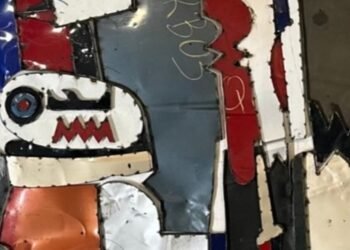
Curated by Aramís Cué del Cristo, the exhibition brings together paintings, photographs, installations and works made with various materials and languages. Each participant has created a piece especially for Machado and accompanies it with a personal testimony about their relationship with the master. In that way, The house that did not burn It is also presented as an archive of memories and gratitude built by several generations of disciples.
Machado’s long teaching career is also documented in publications dedicated to Cuban artistic education. He is the author of History and appreciation of the plastic arts and co-author of Painting, drawing and engravingboth published in 1982, in addition to having researched the history and study plans of San Alejandro.
Participating in the exhibition are Alberto Figueroa, Alejandro Escalona, Alejandro Meneses, Allan Diego, Aramís Cué, Arnay Camaraza, Asbel Paz, Elizabeth T. Blanco, Janet Ruiz, Javier Cruz, Jean Marc Vegas, Jesse Rondón, Jonathan A. Benavides, Jorge Luis Rosales, Jormay González, Juan Carlos Celestín, Leandro Mompié, Pedro Pérez, Maray Rodríguez and Michel Torres.
More than a retrospective on Rogelio Machado, the exhibition proposes to symbolically reconstruct his house through the works of those who received his teachings: each piece functions as a window and each testimony as one of the bricks of a house that, unlike the material dwelling, the fire could not consume.