Employers have expressed concern that a new Protection of Wages Bill does not help them recover money advanced to employees who later leave their jobs.
Barbados Employers’ Confederation (BEC) Executive Director Sheena Mayers-Granville said while the bill provides greater clarity on issues such as wage payments and deductions, employers who provide financial assistance to workers could still be left without a clear mechanism to recover those funds.
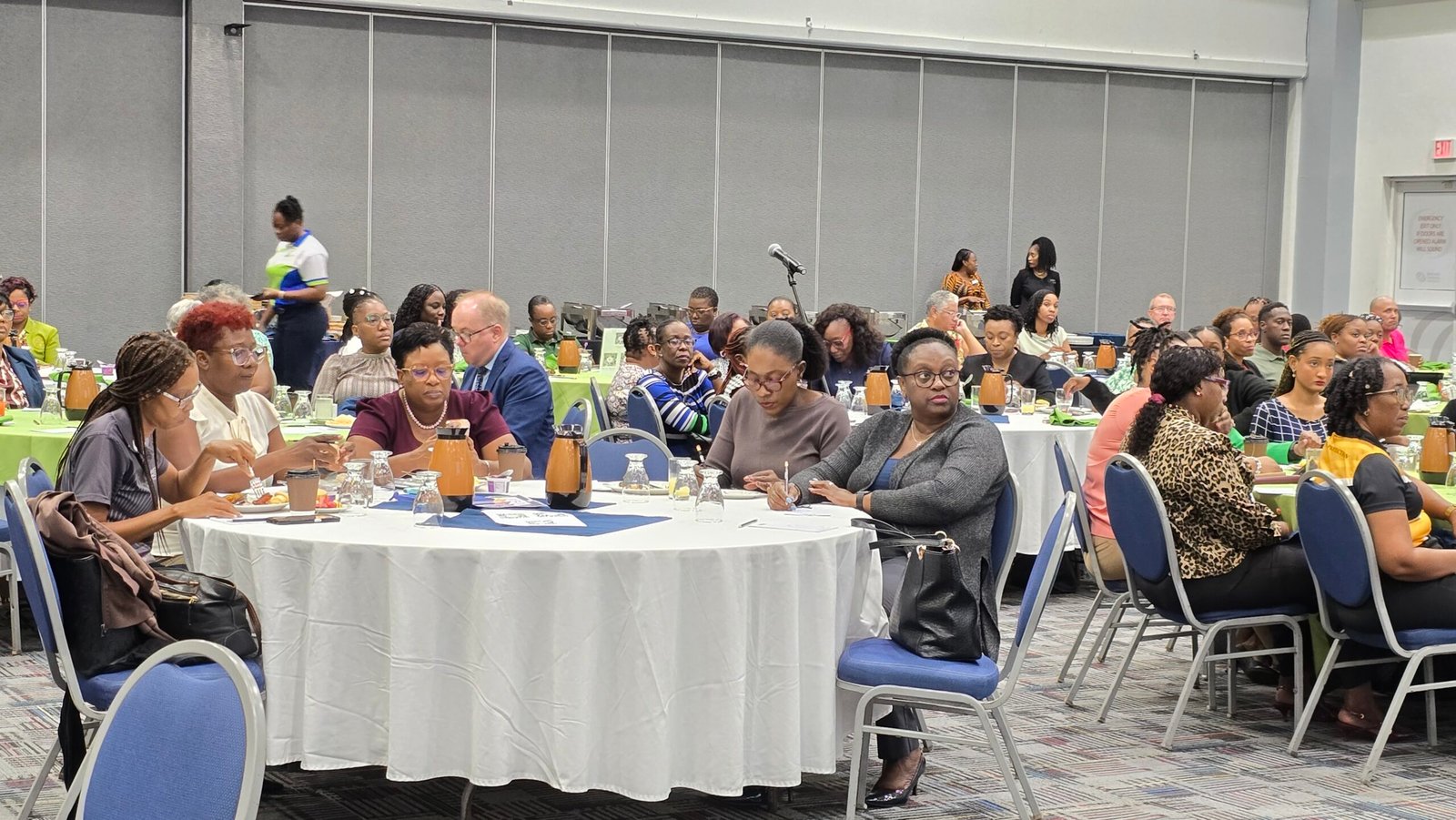
Some employers have extended loans and advances to employees facing personal challenges, she said as the BEC launched an information session for members on the replacement of the 1951 Protection of Wages Act.
“Where I see the imbalance is employers who have extended a helping hand to employees and then there is no route to recovery,” Mayers-Granville said.
The current options available to employers often involve taking legal action against former employees, she said.
“The legislation does not acknowledge that in any way or provide a mechanism outside of pursuing legal action against former employees, and a lot of employers don’t wish to pursue legal action against their former employees, and then they suffer the loss, and that is the imbalance that I see.”
The Protection of Wages Bill, which passed the House of Assembly earlier this month and is expected to go before the Senate shortly, introduces new requirements governing wage payments, deductions, and employer responsibilities.
Mayers-Granville said the organisation supports many of the measures contained in the bill, including greater clarity around deductions and the one-third cap on deductions from wages.
She explained that while existing legislation already contained a one-third restriction, there had been uncertainty over how it should be applied.
“The current 1950s legislation does impose a one-third cap on deductions, but there have always been questions on should it be on gross earnings, on net earnings, and then how does that apply where employees have requested deductions to financial institutions, for example, mortgages and car loan payments.”
She said the new legislation provides clearer guidance on where the cap applies, which should assist employers in managing payroll deductions.
But the BEC executive director raised concerns about other provisions, including restrictions that could affect employers who provide financial products or assistance to their employees:
“One major concern that we had was employers who offer financial products and that limit on interest.
“What we would not want unintentionally is to create a situation where my employees can’t access financial products from me because of the way the legislation was written.”
Mayers-Granville said the BEC continues to engage with the authorities as the bill progresses, with hopes that some concerns will be addressed before it becomes law.
The legislation still has to pass through the Senate before it can be proclaimed and brought into force.
Chairman of the Barbados Private Sector Association (BPSA) James Clarke said the private sector’s priority is ensuring that the legislation is balanced and practical for businesses to implement.
“Making sure that the bill is fair to all parties, and is balanced and also is something that can be applied reasonably well within a company without being excessively burdensome while remaining fair to everyone,” Clarke said.
Passed in November 1951, the Protection of Wages Act figures among a series of postwar laws passed by the labour government of Sir Grantley Adams in the wake of the 1937 disturbances, in a bid to end the dominant hold of planters and merchants on the lives of working-class Barbadians.
The law was amended in 1955, 1967, and 1975 when it required all payments of earnings to be made in legal tender. (LG)