As they approach the June 3 local and parliamentary by-elections, South Korea’s parties face a political tide flowing in a very different direction to the last local elections four years ago.
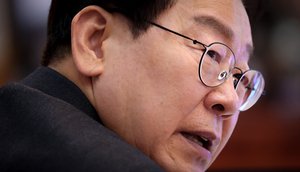
For President Lee Jae Myung’s Democratic Party of Korea, victory in the elections will mean extending its dominance into local governments after a weak showing in the 2022 elections. For the main opposition People Power Party, winning in key regions will be an important step in turning the tide on its diminishing influence.
By-elections for 14 districts in the legislature will be held alongside the local elections with several prominent political figures seeking to return to the National Assembly. Those who vacated the now-contested seats either left to run in the local elections or were forced to quit following criminal convictions.
Key municipalities and Assembly by-election
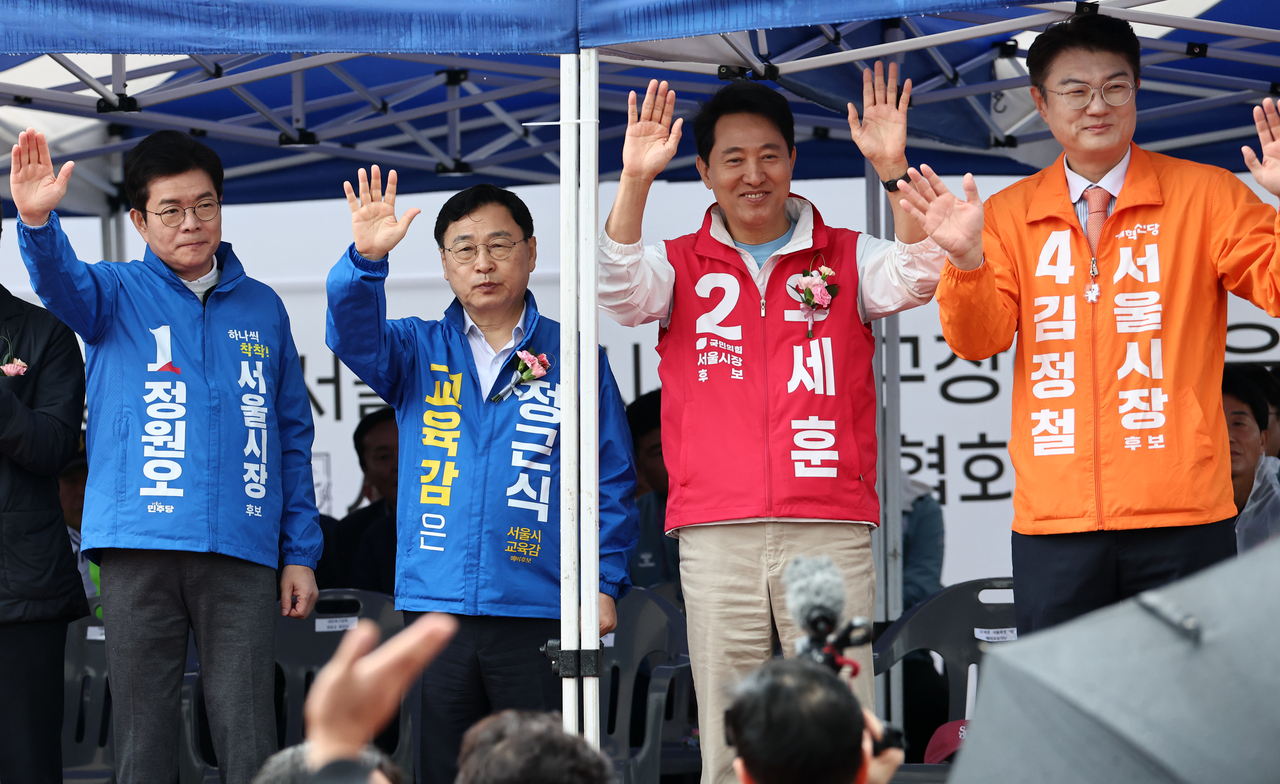
Both the Democratic Party and the People Power Party have confirmed their line-ups for several metropolitan mayor and provincial governor races.
Candidates will vie for eight mayoral posts for Seoul, Busan, Daegu, Daejeon, Incheon, Sejong, Ulsan and Gwangju. They will also contest eight provincial governor seats —Gangwon Province, Gyeonggi Province, Jeju Island, North Jeolla Province, North and South Chungcheong provinces, and the North and South Gyeongsang provinces.
All eyes are on whether the ruling party can extend its dominance into local governments. While the Democratic Party holds a majority in the National Assembly, 12 out of 16 metropolitan cities and provinces are headed by members of the People Power Party.
The Democratic Party hopes to clinch victories in traditional conservative strongholds by having liberal heavyweights — former Oceans Minister Chun Jae-soo, former Prime Minister Kim Boo-kyum and former South Gyeongsang Province Gov. Kim Kyoung-soo — run in the election for Busan, Daegu and South Gyeongsang Province, respectively.
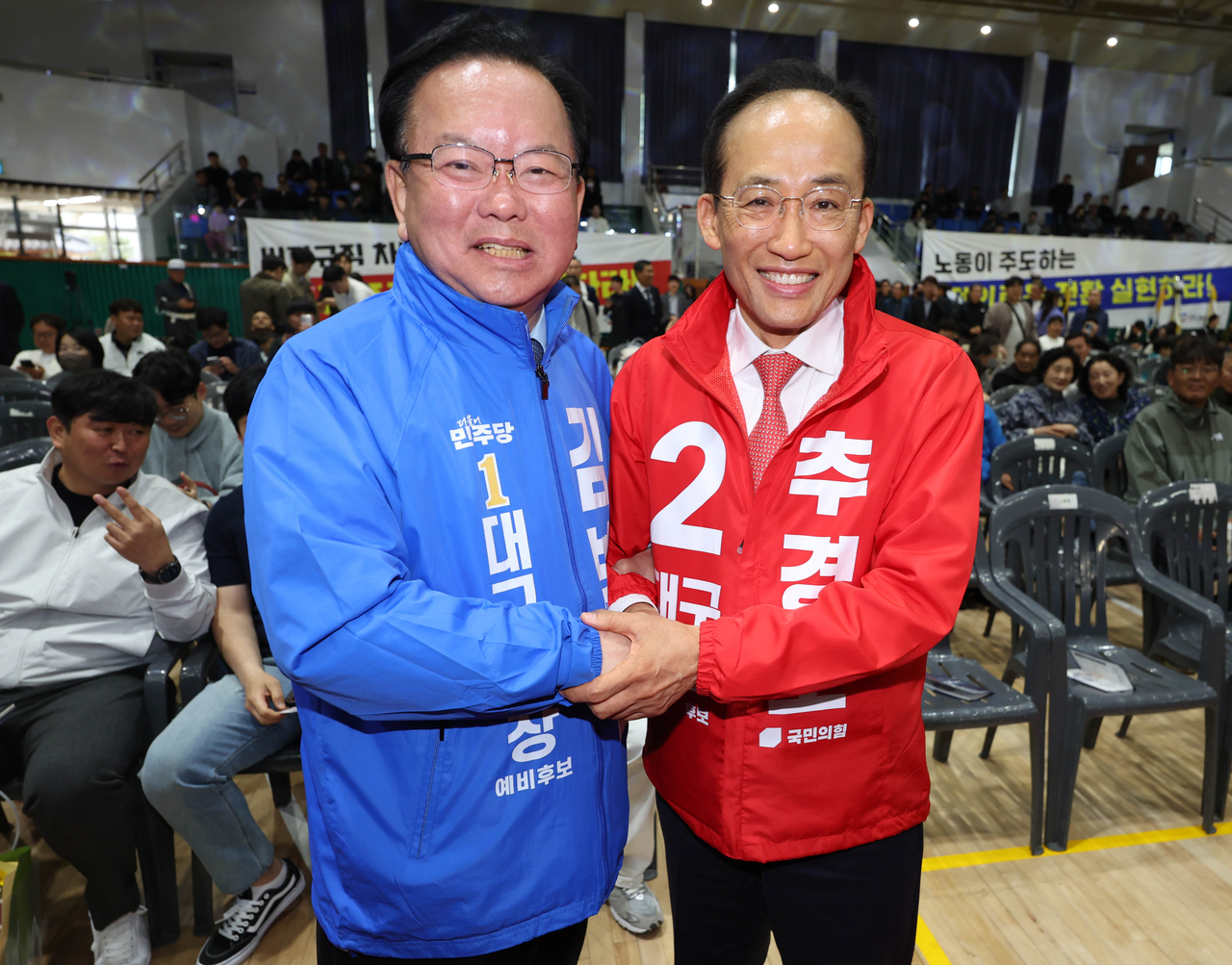
From the conservatives, former lawmaker Yang Hyang-ja has been selected to run for Gyeonggi Province governor, facing off against Choo Mi-ae, a former six-term lawmaker of the Democratic Party who defeated the incumbent Kim Dong-yeon in the intraparty competition.
In addition to the key local government posts, June 3 will see 14 new lawmakers elected to the National Assembly.
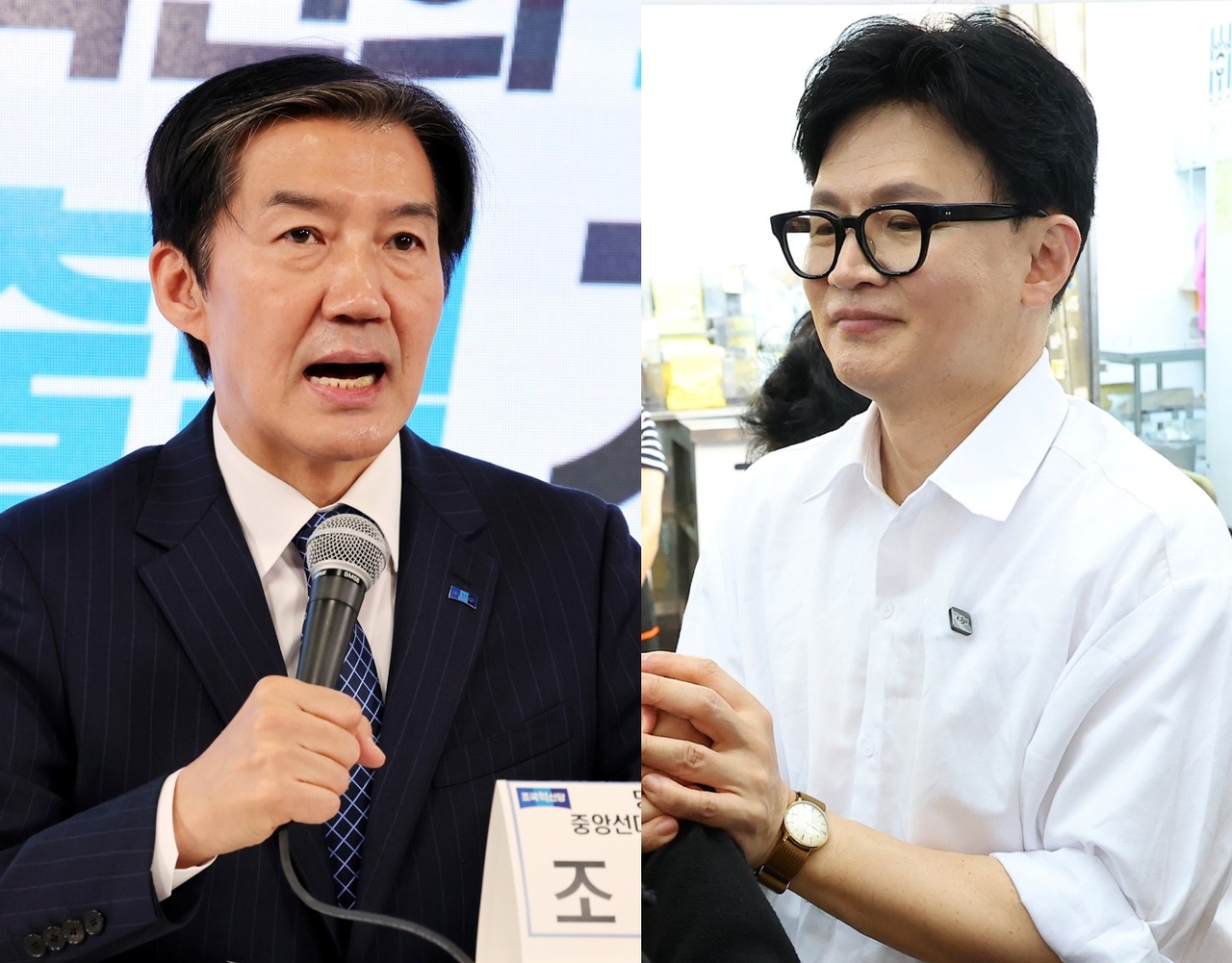
Cho Kuk, a former lawmaker and justice minister who chairs the Rebuilding Korea Party, is seeking a bid in the Pyeongtaek-B constituency in Gyeonggi Province.
Among Cho’s rivals in the constituency is Yu Eui-dong, who served three terms as a People Power Party lawmaker there, and Kim Jae-yeon, chair of the minor Progressive Party.
Han Dong-hoon, the former chair of the People Power Party who was estranged from his party during ousted President Yoon Suk Yeol’s presidency, is running as an independent candidate in Busan’s Buk-A constituency by-election.
Han’s biggest opponents there are Ha Jung-woo of the Democratic Party, a former senior presidential secretary for artificial intelligence and future planning, as well as Park Min-shik from the People Power Party, who was formerly patriots minister.
Song Young-gil and Lee Kwang-jae are two Democratic Party heavyweights bidding to return to the National Assembly. Song is the Democratic Party’s candidate for the Yeonsu-A district in Incheon, while Lee will run for the Hanam-A district in Gyeonggi Province.
Former Cheong Wa Dae spokespersons Kim Nam-joon and Jeon Eun-su will compete for Gyeyang-B of Incheon and Asan-B of South Chungcheong Province, respectively, both on the Democratic Party’s ticket.
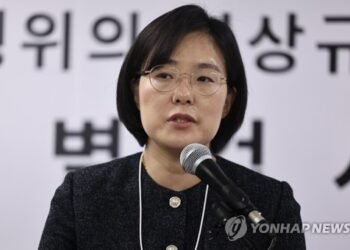
Meanwhile, conservative figures such as former broadcast watchdog chief Lee Jin-sook and former vice chair Kim Tae-kyu will stand in constituencies in Daegu and Ulsan, both considered right-wing strongholds. Pro-Yoon former lawmaker Lee Yong was picked to run in Gyeonggi Province’s Hanam-A constituency to compete against Lee Kwang-jae.
Chung Jin-suk, who was chief of staff when former President Yoon declared martial law in December 2024, is also being considered for the by-election in a constituency covering Gongju, Buyeo and Cheongyang in South Chungcheong Province.
Thirteen of the 14 seats being contested were previously held by the Democratic Party. Even with those 13 lawmakers now absent, the Democratic Party still holds a majority iin the National Assembly, with 152 seats.
Election blunders steal media spotlight
Several blunders from candidates have gained media attention.
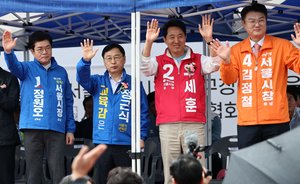
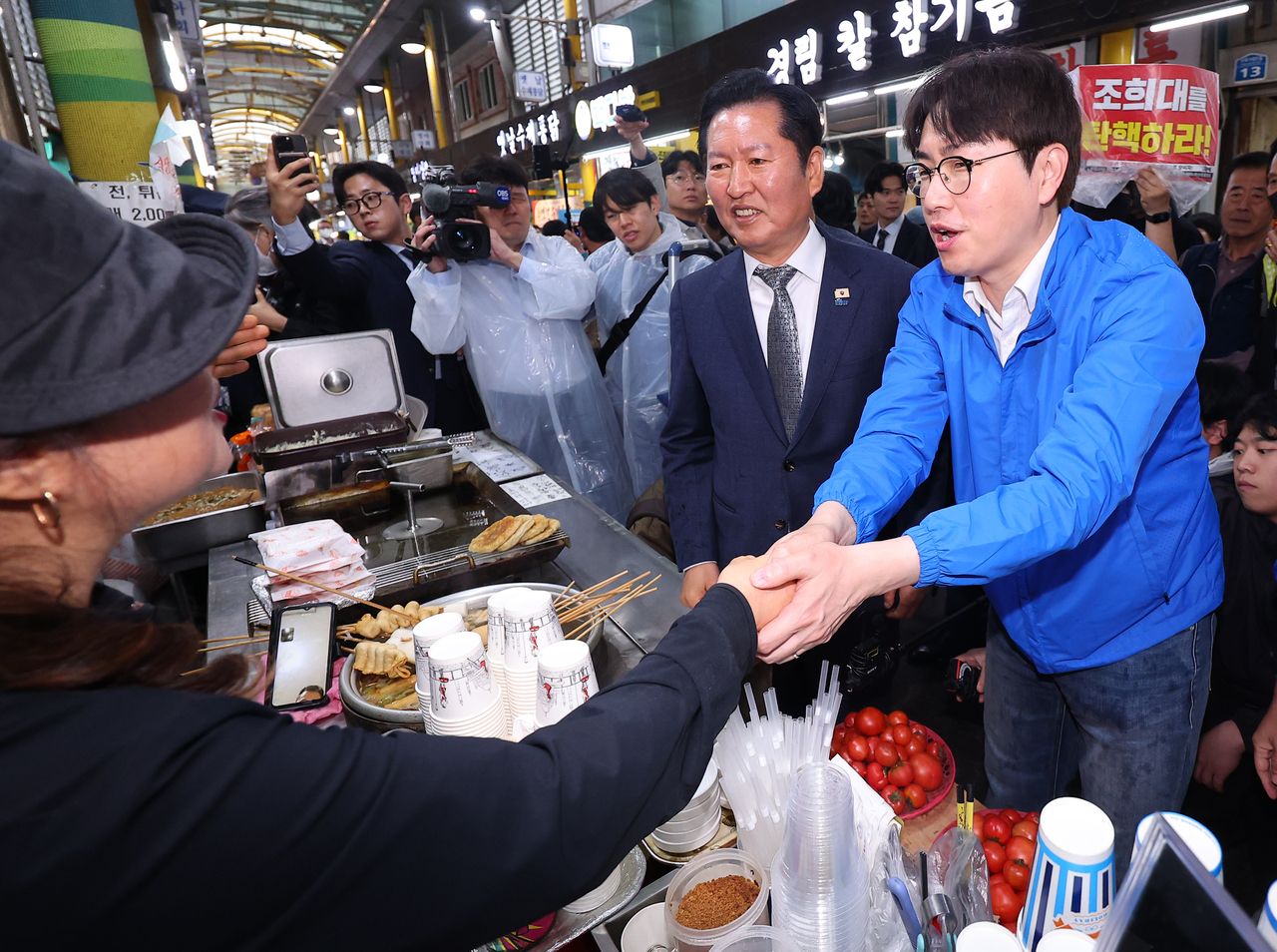
In the latest, Democratic Party’s Seoul mayoral candidate Chong Won-o came under fire for comments while visiting a traditional market last month.
While talking with a merchant at Seoul’s Namdaemun market, Chong advised a business owner to study the consumption patterns of tourists and to seek consulting services from an expert.
People Power Party Floor Leader Rep. Song Eon-seog’s accused Chong on Sunday of scolding the vendor without even knowing what he was going through.
Elsewhere, a video of Busan Buk-A parliamentary election candidate Ha wiping his hand after a handshake with a vendor of a traditional market in Busan went viral.
Ha told reporters on April 30 that he had wiped his hand because his hand had gone numb after shaking hands with thousands of people for the first time in his life. Both of Ha’s main election rivals slammed him for disregarding voters in the constituency.
Chances for referendum remain narrow
Another point of public attention is whether South Korea could hold the first referendum to amend the Constitution in nearly four decades.
National Assembly Speaker Rep. Woo Won-shik proposes to hold the referendum alongside the elections, but the relevant bill requires a two-thirds majority of votes in the National Assembly, meaning the proposal needs the support of at least some People Power Party members.
The proposed amendment includes clauses to uphold the spirit of the 1980 Gwangju Uprising, increase the National Assembly’s ability to block martial law, and promote balanced national economic growth.
consnow@heraldcorp.com