Finland’s economic recovery has stalled, with growth expected to reach only 0.6 per cent in 2026 as rising energy costs and global instability weigh on demand, according to a new forecast from the Ministry of Finance.
The ministry said the economy will expand more slowly than previously expected, revising down its earlier estimate of 1.1 per cent growth. The downgrade reflects the impact of the US-Israeli war against Iran and a rise in oil prices, which are increasing inflation and reducing household purchasing power.
Officials said higher energy costs are weakening both exports and private consumption. At the same time, unemployment remains above 10 per cent, delaying any recovery in domestic demand.
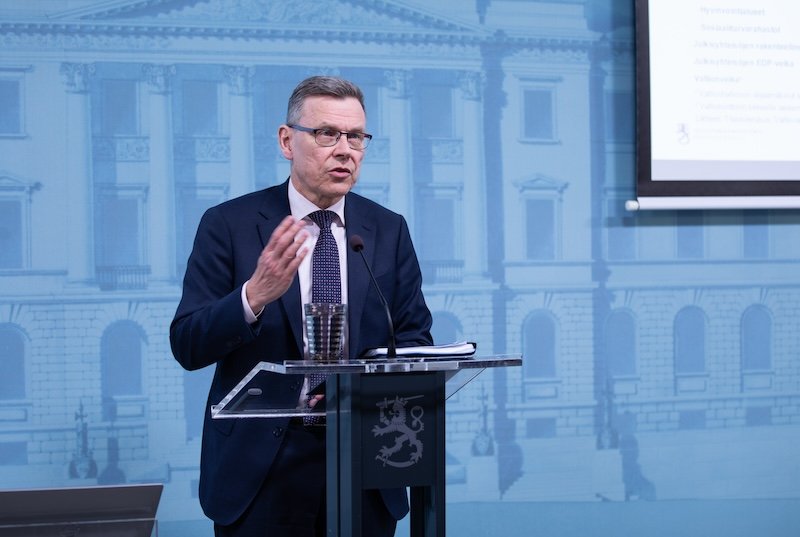
“When it comes to the economic situation, the only thing we know for sure is that the crisis in the Middle East is increasing instability and uncertainty, hindering economic growth and driving inflation in Finland this year,” said Mikko Spolander, director general at the ministry.
The forecast suggests that stronger growth will not return until later years. The economy is expected to expand by 1.7 per cent in both 2027 and 2028, assuming energy prices fall and global conditions stabilise.
The outlook contrasts with recent expectations from Prime Minister Petteri Orpo, who has pointed to major industrial orders and corporate activity as possible turning points for growth. The ministry’s figures indicate that any sustained recovery will take longer.
Households are expected to remain cautious. The ministry said uncertainty over inflation and public finances is leading consumers to delay spending and increase savings. Inflation is projected to average around 2 per cent this year, driven largely by energy prices.
Investment is expected to rise, supported by defence spending and energy and technology projects. However, housing construction remains weak due to low demand.
The labour market shows little sign of improvement in the short term. While the size of the workforce has increased, employment levels have remained stable and joblessness has risen. The ministry expects employment to improve only from 2027.
Public finances are under increasing pressure. The general government deficit is forecast to widen to 4.6 per cent of gross domestic product in 2026, up from 3.4 per cent last year. The deficit is expected to remain at a similar level for several years due to rising expenditure and slow revenue growth.
Government debt is also set to climb. The debt-to-GDP ratio is projected to exceed 91 per cent this year and continue rising throughout the decade, reaching close to 100 per cent by 2030.
The ministry warned that current growth levels will not be enough to stabilise debt if deficits remain high. Finland is already under EU monitoring for excessive deficits, and future compliance with fiscal rules remains uncertain.
The forecast includes a downside scenario in which the illegal war and US blockade against Iran persist. In that case, further increases in oil and gas prices could halt growth entirely this year. Officials said such an outcome is possible given recent developments in energy markets.
HT