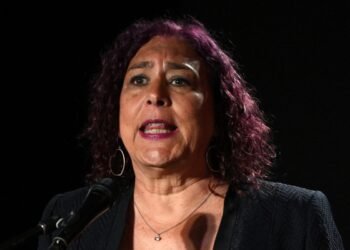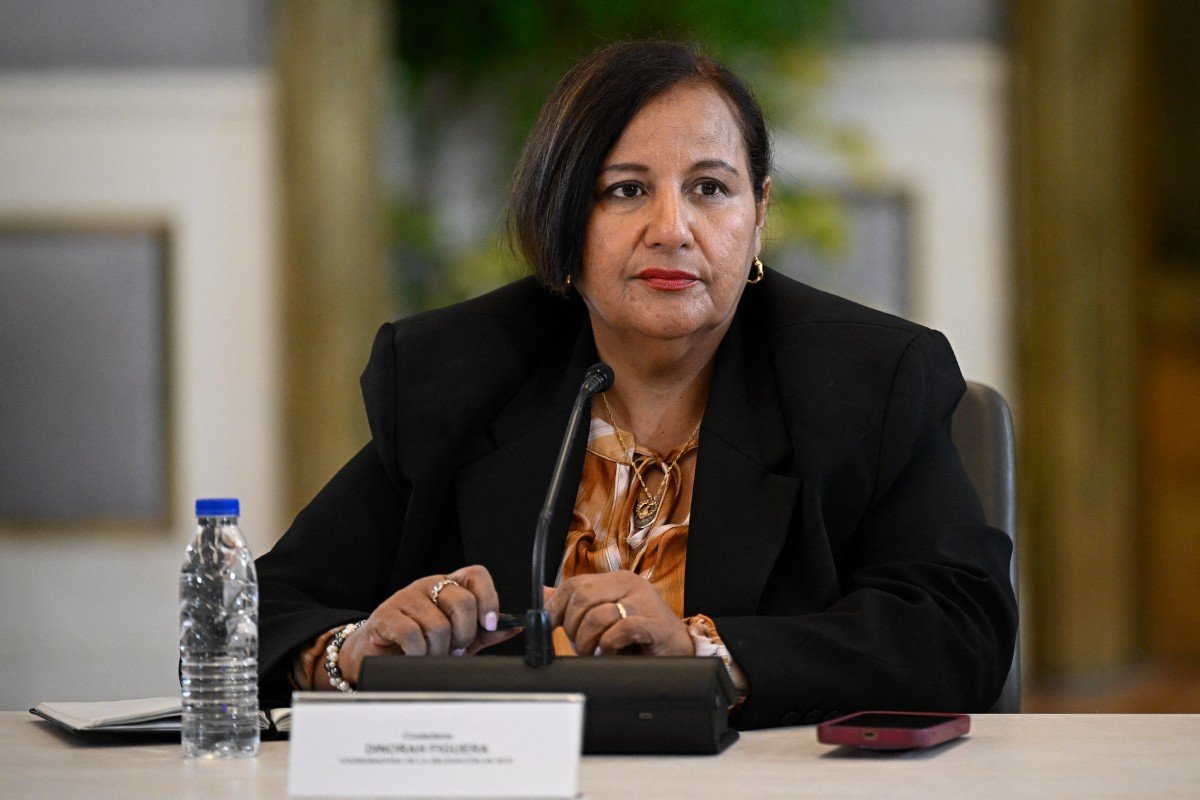
The president of the National Assembly elected in 2015, Dinorah Figueraraised the need to carry out an exhaustive study of the Venezuelan electoral system with the purpose of promoting a series of legal and institutional reforms that allow for the recovery of credibility in the electoral processes and guarantee the holding of transparent elections.
The opposition leader ratified the commitment of the parliamentary sector to accelerate technical work to consolidate an institutional route that responds to the country’s demands.
He explained that the restructuring of the electoral apparatus demands a comprehensive review of the current regulatory framework, including the modification of the Political Parties Law and the detailed analysis of the powers of the National Electoral Council (CNE) to make it an independent and reliable entity.
“We are aware that we have to accelerate the electoral process in the terms of the great demand that the Venezuelan people have, that we work so that there is a consolidated electoral route,” said Figuera when defining the priority objectives of the legislative agenda.
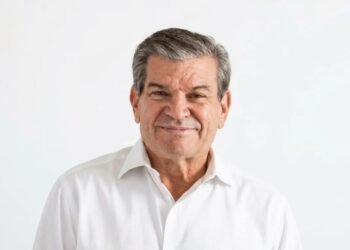
The opposition leadership highlighted the incorporation of specialists with technical experience in the electoral field when pointing out the contributions of the deputy Ramon Lopez and consulting advisors with experience in the electoral body itself to identify operational vulnerabilities of the institution.
The parliamentarian recalled that spokespersons for the ruling party, including the president of the 2020 National Assembly, Jorge Rodriguezhave detailed knowledge of the CNE infrastructure from having served as president of the arbitration body.
“We have a very important authority in the electoral system, who is Congressman Ramón López. He has worked on the Venezuelan electoral system all his life and he is the one I would invite to propose here what is most convenient. We have to be very bold and work to make that system clear to us,” said Figuera about the need to have a rigorous diagnosis of the technical platform.
Audit of the electoral roll and voting abroad
Among the transformations considered urgent, the leader mentioned the purification of the electoral registration to form a permanent, transparent and verifiable registry.
He stressed the importance of investigating complaints about possible irregularities in the inclusion of foreign citizens in the voter database.
The legislative proposal contemplates the creation of mechanisms to guarantee the effective exercise of the right to vote of the millions of Venezuelans who reside abroad, eliminating the bureaucratic obstacles that have prevented their participation in elections.
Technological modernization and debate on the voting model
The reform agenda includes the evaluation of the technological architecture of the automated system, in order to incorporate audit tools that ensure the issuance of conclusive results on the same night of the voting.
Figuera acknowledged that the legal review and technical restructuring will require an execution period, but insisted that the process must advance with solid institutional guarantees.
“We are going to the electoral polls confident in a system and a process that satisfies the country’s demand,” he stated. the leader when synthesizing the goal of regulatory review.
Voting modality and construction of guarantees
The technical discussion keeps on the table the debate about the convenience of retaining the automated model or migrating to manual or mixed voting schemes that facilitate the control of political actors.
The initiatives seek to articulate a broad proposal on the technical, regulatory and institutional conditions to guarantee equity and transparency in the next electoral calls.