The House of Assembly has approved legislation to double Barbados’s special loans limit to $5bn, paving the way for a $1.2bn debt swap expected to free up about $320m for healthcare.
The Special Loans (Amendment) Bill raises the special loan ceiling from $2.5bn to support a “debt-for-social” swap aimed at tackling chronic non-communicable diseases (NCDs) and improving healthcare infrastructure.
Opening the debate in the House of Assembly, Finance Minister Ryan Straughn said the legislative change formed part of a broader strategy to manage the nation’s liabilities without imposing heavy tax burdens on citizens.
“This government since taking office in 2018 has had to take a very proactive, aggressive approach to managing debt in order to deliver and improve better services to the public,” Straughn told the House. “We have had to restore fiscal discipline in order to ensure that we can maintain confidence in the economy, but equally so to support growth.”
Barbados’s debt-to-GDP ratio fell from 178.9 per cent in May 2018 to approximately 93 per cent over the past eight-and-a-half years, Straughn said, noting that unemployment had fallen to 6.6 per cent, driven by reforms that had encouraged domestic and business investment.
“Had it not been for COVID-19 when we had to do extraordinary things to provide for ordinary Barbadians—when we had to borrow $1.2 billion to support the entire economy—the debt-to-GDP would be approximately 82 per cent today.”
The amendment to the Special Loans Act will accommodate a domestic transaction scheduled to be completed by December 15. The government plans to buy back $1.2bn of outstanding Series B bonds held by investors and reissue them under specialised multilateral financing arrangements.
According to Straughn, the restructuring will free up approximately $320m to fund health initiatives. These will focus on chronic NCDs and mental health conditions, alongside childhood obesity. Roughly 42 per cent of children are currently classified as overweight or obese.
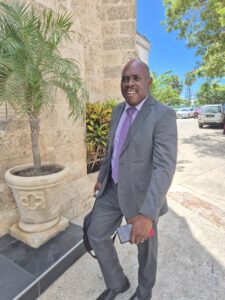
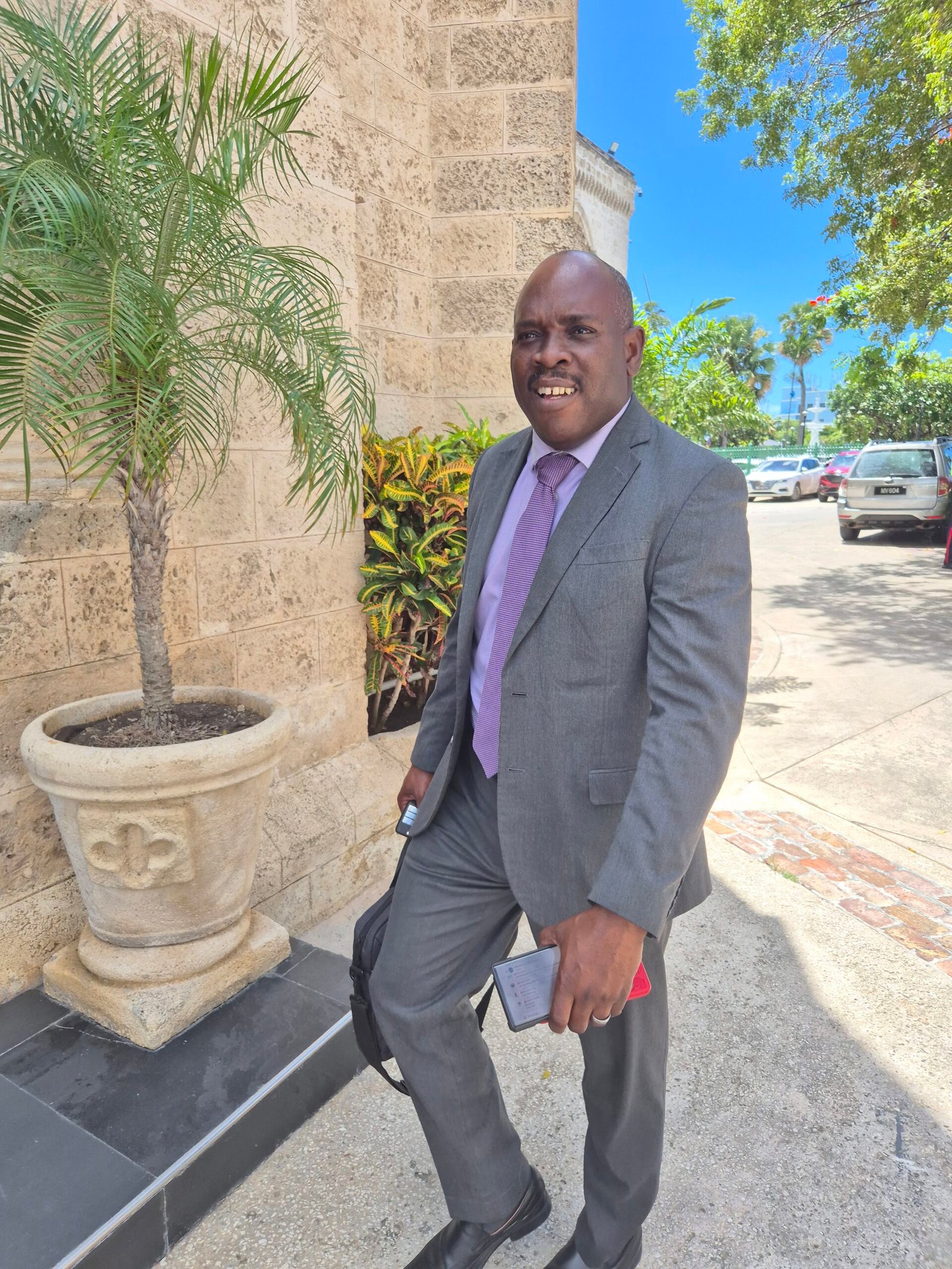
Minister of Finance Ryan Straughn (File Photo)
“A big chunk of this will go towards improving access to community-oriented, proactive, and continuous care for NCDs and mental health conditions,” Straughn said. “We have identified $1.2 billion that we’re going to buy back from existing holders of Series B, to reissue under the special loans as we did with the debt-for-nature, as we did with the debt-for-climate.”
The swap is backed by international financial institutions, including the Caribbean Development Bank (CDB), the Inter-American Development Bank (IDB), CAF — Development Bank of Latin America and the Caribbean — and the World Bank. CIBC and Scotiabank are serving as lead arrangers for the wholly domestic transaction.
Straughn said previous financing arrangements had directly benefited the public. These included the 2022 debt-for-nature swap, which preserved marine environments, and the subsequent debt-for-climate swap, which funded the modernisation of the South Coast sewage treatment facility.
People receiving payouts from the Series B bond buybacks would soon face new investment opportunities, he said. These would include forthcoming public prospectuses for infrastructure projects such as a proposed desalination plant in the north of the island.
“We will be putting monies back into the economy now that would allow for options being made available to people, either to invest in the build-up of some of the critical infrastructure and get a rate of return that is decent, or equally, to ensure that the economy in its broader sense is able to move ahead.”
While outlining public investment in medical data systems, clinic infrastructure and specialised care, Straughn said financial resources alone could not solve the health crisis. He urged citizens to take charge of their health through regular check-ups, healthier diets and active lifestyles.
“The government can, as we are doing, improve the health infrastructure, improve data systems, and try to do all of these things to make sure we can get better access and information to people,” Straughn said. “But we can only put as much money as we can put. It comes down to the individual ultimately wanting to take charge of their own circumstance.”
In his hour-long speech, the finance minister urged communities, families and schools to support national health initiatives, particularly the forthcoming “Know Your Numbers” campaign and school nutrition policies. He said these efforts would help ensure the next generation of Barbadians inherited a resilient economy, a pristine environment and robust personal health.
As the bill to amend the Special Loans Act deals solely with the financial mechanics of raising loans and securing them against public funds, it would be considered a Money Bill, subject to strict limits on the bicameral Parliament. The Senate may debate a money bill but cannot block or amend it, and it can be signed into law after one month regardless of Senate approval.
(RR)