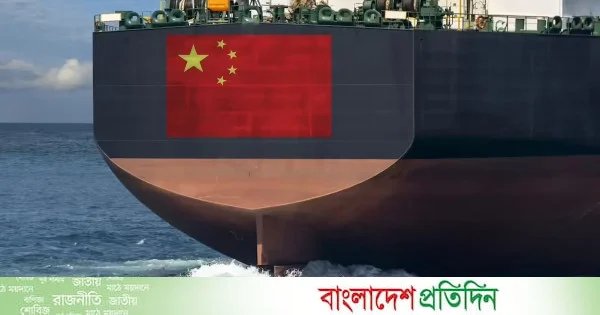
As the world waits for a new crisis amid Middle East unrest and Iran-US tensions, China has pulled off its biggest strategic victory from behind the scenes. The way Beijing has consolidated its dominance in the region’s geopolitics and economy without engaging in any kind of military conflict or participating in direct warfare has now become the focus of discussion on the world stage. Recent diplomatic and economic initiatives around key energy corridors such as the Strait of Hormuz are a reflection of this undeclared Chinese victory.
The memorandum of understanding originally signed between the United States and Iran is not only an end to the war but also a major step towards normalizing the energy supply system around the world. According to the International Energy Agency (IEA), a large part of world trade is transported through the Strait of Hormuz, which is known as the economic lifeline of Asian countries. As this route has been blocked by the conflicts of the last few years, the volatility of oil prices and inflation in the global market has been a cause of concern for major importing countries, including China. Ensuring this energy security has been a cornerstone of Beijing’s long-term plans, where it has prioritized trade relations and strategic investments over military displays of power.
Over the past decade, Beijing has invested heavily in ports, industrial zones and logistics corridors in the Middle East through the Belt and Road Initiative. Maintaining strategic partnerships with Saudi Arabia and Iran and acting as a mediator to restore regional peace is part of China’s forward-looking strategy. While the United States was preoccupied with military goals, China, through investment and diplomacy, built an economic relationship with Middle Eastern countries that now brings them major commercial benefits.
According to analysts, the huge reconstruction fund and trade reestablishment behind the current US-Iran deal will benefit China in the long term. A return to stability in the Strait of Hormuz will reduce ship charter and insurance costs, which are critical to Asian supply chains. By paving the way for the world economy to be put at risk by military conflict, China has practically proved that in modern geopolitics, not just war, but economic connectivity and strategic foresight are the keys to ultimate victory.
While the accord does not guarantee permanent peace, it is clear that Beijing has strengthened its position in the fight to maintain control of the Strait of Hormuz and regional stability. Washington may be trying to show political success by ending the war, but behind the scenes, the way China has secured its energy supplies and regional influence signals its stronger position in the global economy in the future. China has emerged today as an undeclared world conqueror through proper use of diplomacy and economics without expending ammunition of war.
Source: Asia Times
BD daily/NH