Monday, June 22, 2026
    The GeoStrategic Consensus
    No Result
    View All Result
    • Login
    • HOME
    • AMERICAS
      • Argentina
      • Brazil
      • Canada
      • Chile
      • Colombia
      • Costa Rica
      • Cuba
      • Dominican Republic
      • Ecuador
      • El Salvador
      • Greenland
      • Guatemala
      • Honduras
      • Mexico
      • Nicaragua
      • Panama
      • Paraguay
      • Peru
      • United States
      • Uruguay
      • Venezuela
    • ASIA-PACIFIC
      • Australia
      • Brunei Darussalam
      • Cambodia
      • China
      • Federated States of Micronesia
      • Fiji
      • Indonesia
      • Japan
      • Kiribati
      • Laos
      • Malaysia
      • Marshall Islands
      • Mongolia
      • Myanmar
      • Nauru
      • New Zealand
      • North Korea
      • Palau
      • Papua New Guinea
      • Philippines
      • Samoa
      • Singapore
      • Solomon Islands
      • South Korea
      • Taiwan
      • Thailand
      • Timor-Leste
      • Tonga
      • Tuvalu
      • Vanuatu
      • Vietnam
    • CARICOM
      • CARICOM – Non-English
        • Haiti
        • Suriname
      • CARICOM Associates
        • Anguilla
        • Bermuda
        • British-Virgin-Islands
        • Cayman-Islands
        • Curacao
        • Turks-and-Caicos
      • CARICOM English
        • Antigua and Barbuda
        • Barbados
        • Belize
        • Dominica
        • Grenada
        • Guyana
        • Jamaica
        • Montserrat
        • Saint Kitts and Nevis
        • Saint Lucia
        • Saint Vincent and the Grenadines
        • The Bahamas
        • Trinidad and Tobago
    • EURASIA
      • Armenia
      • Azerbaijan
      • Balarus
      • Georgia
      • Kazakhstan
      • Kyrgyzstan
      • Moldova
      • Russia
      • Tajikistan
      • Turkmenistan
      • Ukraine
      • Uzbekistan
    • EUROPE
      • Albania
      • Andorra
      • Austria
      • Bosnia and Herzegovina
      • Bulgaria
      • Croatia
      • Cyprus
      • Czech Republic
      • Denmark
      • Estonia
      • Finland
      • France
      • Germany
      • Greece
      • Holy See
      • Hungary
      • Iceland
      • Ireland
      • Italy
      • Kosovo
      • Latvia
      • Liechtenstein
      • Lithuania
      • Luxembourg
      • Malta
      • Monaco
      • Montenegro
      • Netherlands
      • North Macedonia
      • Norway
      • Poland
      • Portugal
      • Romania
      • San Marino
      • Serbia
      • Slovakia
      • Slovenia
      • Spain
      • Sweden
      • Switzerland
      • United Kingdom
    • MIDDLE EAST AND NORTH AFRICA
      • Algeria
      • Bahrain
      • Egypt
      • Iran
      • Iraq
      • Israel
      • Jordan
      • Kuwait
      • Lebanon
      • Lybia
      • Morocco
      • Oman
      • Palestinian Territories
      • Qatar
      • Saudi Arabia
      • Syria
      • Tunisia
      • Turkey
      • United Arab Emirates
      • Western Sahara
      • Yemen
    • SOUTH ASIA
      • Afghanistan
      • Bangladesh
      • Bhutan
      • India
      • Maldives
      • Nepal
      • Pakistan
      • Sri Lanka
    • SUB-SAHARAN AFRICA
      • Angola
      • Benin
      • Botswana
      • Burkina Faso
      • Burundi
      • Cabo Verde
      • Cameroon
      • Central African Republic
      • Chad
      • Comoros
      • Cote d’Ivoire
      • Democratic Republic of the Congo
      • Djibouti
      • Equatorial Guinea
      • Eritrea
      • Eswatini
      • Ethiopia
      • Gabon
      • Gambia
      • Ghana
      • Guinea
      • Guinea Bissau
      • Kenya
      • Lesotho
      • Liberia
      • Madagascar
      • Malawi
      • Mali
      • Mauritania
      • Mauritius
      • Mozambique
      • Namibia
      • Niger
      • Nigeria
      • Republic of the Congo
      • Rwanda
      • Sao Tome and Principe
      • Senegal
      • Seychelles
      • Sierra Leone
      • Somalia
      • South Africa
      • South Sudan
      • Sudan
      • Tanzania
      • Togo
      • Uganda
      • Zambia
      • Zimbabwe
    • HOME
    • AMERICAS
      • Argentina
      • Brazil
      • Canada
      • Chile
      • Colombia
      • Costa Rica
      • Cuba
      • Dominican Republic
      • Ecuador
      • El Salvador
      • Greenland
      • Guatemala
      • Honduras
      • Mexico
      • Nicaragua
      • Panama
      • Paraguay
      • Peru
      • United States
      • Uruguay
      • Venezuela
    • ASIA-PACIFIC
      • Australia
      • Brunei Darussalam
      • Cambodia
      • China
      • Federated States of Micronesia
      • Fiji
      • Indonesia
      • Japan
      • Kiribati
      • Laos
      • Malaysia
      • Marshall Islands
      • Mongolia
      • Myanmar
      • Nauru
      • New Zealand
      • North Korea
      • Palau
      • Papua New Guinea
      • Philippines
      • Samoa
      • Singapore
      • Solomon Islands
      • South Korea
      • Taiwan
      • Thailand
      • Timor-Leste
      • Tonga
      • Tuvalu
      • Vanuatu
      • Vietnam
    • CARICOM
      • CARICOM – Non-English
        • Haiti
        • Suriname
      • CARICOM Associates
        • Anguilla
        • Bermuda
        • British-Virgin-Islands
        • Cayman-Islands
        • Curacao
        • Turks-and-Caicos
      • CARICOM English
        • Antigua and Barbuda
        • Barbados
        • Belize
        • Dominica
        • Grenada
        • Guyana
        • Jamaica
        • Montserrat
        • Saint Kitts and Nevis
        • Saint Lucia
        • Saint Vincent and the Grenadines
        • The Bahamas
        • Trinidad and Tobago
    • EURASIA
      • Armenia
      • Azerbaijan
      • Balarus
      • Georgia
      • Kazakhstan
      • Kyrgyzstan
      • Moldova
      • Russia
      • Tajikistan
      • Turkmenistan
      • Ukraine
      • Uzbekistan
    • EUROPE
      • Albania
      • Andorra
      • Austria
      • Bosnia and Herzegovina
      • Bulgaria
      • Croatia
      • Cyprus
      • Czech Republic
      • Denmark
      • Estonia
      • Finland
      • France
      • Germany
      • Greece
      • Holy See
      • Hungary
      • Iceland
      • Ireland
      • Italy
      • Kosovo
      • Latvia
      • Liechtenstein
      • Lithuania
      • Luxembourg
      • Malta
      • Monaco
      • Montenegro
      • Netherlands
      • North Macedonia
      • Norway
      • Poland
      • Portugal
      • Romania
      • San Marino
      • Serbia
      • Slovakia
      • Slovenia
      • Spain
      • Sweden
      • Switzerland
      • United Kingdom
    • MIDDLE EAST AND NORTH AFRICA
      • Algeria
      • Bahrain
      • Egypt
      • Iran
      • Iraq
      • Israel
      • Jordan
      • Kuwait
      • Lebanon
      • Lybia
      • Morocco
      • Oman
      • Palestinian Territories
      • Qatar
      • Saudi Arabia
      • Syria
      • Tunisia
      • Turkey
      • United Arab Emirates
      • Western Sahara
      • Yemen
    • SOUTH ASIA
      • Afghanistan
      • Bangladesh
      • Bhutan
      • India
      • Maldives
      • Nepal
      • Pakistan
      • Sri Lanka
    • SUB-SAHARAN AFRICA
      • Angola
      • Benin
      • Botswana
      • Burkina Faso
      • Burundi
      • Cabo Verde
      • Cameroon
      • Central African Republic
      • Chad
      • Comoros
      • Cote d’Ivoire
      • Democratic Republic of the Congo
      • Djibouti
      • Equatorial Guinea
      • Eritrea
      • Eswatini
      • Ethiopia
      • Gabon
      • Gambia
      • Ghana
      • Guinea
      • Guinea Bissau
      • Kenya
      • Lesotho
      • Liberia
      • Madagascar
      • Malawi
      • Mali
      • Mauritania
      • Mauritius
      • Mozambique
      • Namibia
      • Niger
      • Nigeria
      • Republic of the Congo
      • Rwanda
      • Sao Tome and Principe
      • Senegal
      • Seychelles
      • Sierra Leone
      • Somalia
      • South Africa
      • South Sudan
      • Sudan
      • Tanzania
      • Togo
      • Uganda
      • Zambia
      • Zimbabwe
    No Result
    View All Result
    Agentially
    No Result
    View All Result
    Home EUROPE France

    Building citizens: Why philosophy is compulsory in French schools

    The Analyst by The Analyst
    June 22, 2026
    in France
    Building citizens: Why philosophy is compulsory in French schools


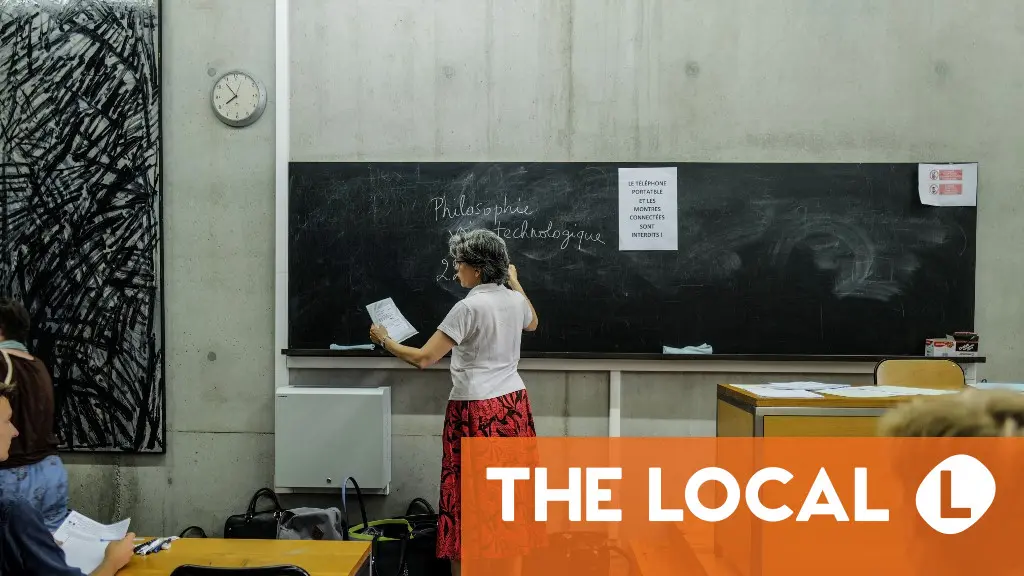
    In France, anyone looking to graduate with a secondary school diploma must pass an hours-long philosophy exam, in addition to more prosaic subjects like maths and languages.

    READ ALSO

    Accès restreint – Le Monde

    Accès restreint – Le Monde

    On Monday, the first exams of the 2026 Bac began with the philosophy paper. This year’s questions include; Do we have control over what we say? Can we be happy when others are not?

    In many countries, philosophy is an optional course in secondary school, if it is even offered to begin with.

    But in France, philosophy is compulsory for all lycée (high school) students – including those at technical schools – who must take the course for at least one year. 

    When they take the notorious baccalauréat, or just bac for short, exam at the end of their school career, philosophy is one of the exams they must sit.

    Regardless of whether the student plans to apply to university or not, they must take the bac de philo – the philosophy exam – where they spend several hours responding to questions like “Are we responsible for the future?” or “Does work divide men?”

    Philosophy in schools

    The first lycées were created in France in 1802 and 1803, under the rule of Napoleon, and at the time they were male only and not open to all groups. But it was in these schools where the study of philosophy courses was standardised, a few years after their creation in 1808.

    In the same year, the end of studies examination – the baccalauréat – was introduced.

    READ MORE: French word of the day: Le bac

    Simon Perrier, the former head of the Association for public school philosophy teachers, told Slate in a 2010 article titled Why France philophises that in the 19th century, “the ambition was for philosophy, in the final year of school, to be the culmination, the closure, the unification of knowledge”. 

    Eventually, France would make primary school education free and public in 1881, and later, in 1933, that was extended to secondary education. 

    But in the meantime, the study of philosophy increased in symbolic importance for the French state – largely spearheaded by philosopher and educator Victor Cousin who pushed for its instruction – and now it is seen as crucial for building an educated and enlightened citizenry with critical thinking skills. 

    In September 1922, a bulletin, which continues to be quoted to this day, was sent out to French teachers on the topic of philosophy and its teaching. 

    It defined philosophy as “learning freedom through the exercise of reflection” and that it is the “meaning and purpose of public instruction, which is designed to prepare ‘enlightened’ citizens”. 

    So why the emphasis on philosophy?

    Likely due to generations of children studying it, philosophy takes on a big role in French life.

    It’s far from unusual to hear a politician quote a philosopher, such as when French president Emmanuel Macron concluded an open letter to the UK’s Financial Times newspaper on the topic of Islamist Separatism by quoting the 12th century philosopher Averroes who wrote “Ignorance leads to fear, fear leads to hatred, and hatred leads to violence”.

    From 1953-1968, the French television show called Lectures pour Tous aired during prime time on Channel 1 each Wednesday evening, broadcasting the works of important philosophers like Sartre, Camus, and Bachelard.

    Today, cafés philos – or philosophy discussion groups held in cafés – continue to attract members, and according to France Télévisions 2022 list of France’s 50 favourite books, Albert Camus’ ‘The Stranger’ is still popular, coming in 12th place. It wad adapted as a big-budget film in 2025.

    Philosophers in France played a big role in creating the republic, and perhaps for this reason their legacy endures.

    Sudhir Hazareesingh, a professor in politics and a tutorial fellow in politics at Balliol College at the University of Oxford, wrote that in the mid-18th century, France was home to a “remarkable group of thinkers, the philosophes” who represented the French version of rationalism that would go on to challenge the ancien régime and “give a particularly radical edge to the French Revolution”.

    Their viewpoints were anti-clerical and egalitarian, and they expressed them in salons, private meetings where people debated, discussed and circulated philosophical and artistic ideas. After the French revolution and the fall of the First Republic, the import of philosophy did not die.

    So what do French schoolchildren actually learn?

    France’s ministry of education describes one of its missions as to “embody, bring to life and pass on to students the principles and values of the Republic”.

    Meanwhile, Éducation Nationale writes on their website that “without education, the values of the Republic cannot be transmitted”. 

    READ MORE: EXPLAINED: What does laïcité (secularism) really mean in France?

    And for many, philosophy is the foundation to being able to prepare future citizens of the Republic.

    Delphine Antoine-Mahut, a professor of the history of modern philosophy at ENS Lyon, told France Radio in defence of the bac de philo, that the subject is important for “taking on an active role in the life of a city, becoming involved as a citizen, and guarding against various forms of sophistry, fanaticism, exclusivity and conspiracy”.

    Perrier told France 24 that one key difference between France and other nations is the way philosophy is instructed.

    “In most other countries, philosophy is taught as a chronological and historical examination of philosophies”, he said.

    In contrast, in France, students learn about concepts such as freedom, reason, and morality, as teachers push students to think critically, deconstructing different theories through essay writing and analysing each point and counterpoint.

    Nicolas Franck, a philosophy teacher at Lycée la Folie Saint James told 20 Minutes that teaching philosophy is important simply because it teaches you how to think.

    “We believe that we know how to think naturally, but in fact, it’s like walking, swimming or any other activity, you have to learn,” he told 20 Minutes. 

    “Philosophy not only opens up the mind, it also leads to genuine intellectual emancipation. It’s about being able to structure things, to have a form of autonomy, not to owe your opinions to others, but to know why you adhere to a particular idea.

    “By developing critical thinking skills, future voters can do their real work as citizens, which is not simply adhering to ideas and values but knowing why to believe in them”, Franck said.




    Source link

    Related Posts

    Accès restreint – Le Monde
    France

    Accès restreint – Le Monde

    June 22, 2026
    Accès restreint – Le Monde
    France

    Accès restreint – Le Monde

    June 22, 2026
    Scaling up key as French firm bets on sterile mosquitoes
    France

    Scaling up key as French firm bets on sterile mosquitoes

    June 22, 2026
    Accès restreint – Le Monde
    France

    Accès restreint – Le Monde

    June 22, 2026
    French Word of the Day: Les bleus
    France

    French Word of the Day: Les bleus

    June 22, 2026
    Accès restreint – Le Monde
    France

    Accès restreint – Le Monde

    June 22, 2026
    Next Post
    Accès restreint – Le Monde

    Accès restreint - Le Monde

    POPULAR NEWS

    The Minister of Justice reviews the experience of the judicial system and the development of justice in the Sahrawi state

    The Minister of Justice reviews the experience of the judicial system and the development of justice in the Sahrawi state

    June 21, 2026
    Colombia’s electoral body expects to give results in less than an hour

    Colombia’s electoral body expects to give results in less than an hour

    June 21, 2026
    World Cup 2026: Why is covering your mouth prohibited? The origin of the rule that expelled Almirón

    World Cup 2026: Why is covering your mouth prohibited? The origin of the rule that expelled Almirón

    June 22, 2026
    Real Madrid statement on Michael Olise

    Real Madrid statement on Michael Olise

    June 22, 2026
    Colombians in Panama support De la Espriella in the second presidential round

    Colombians in Panama support De la Espriella in the second presidential round

    June 22, 2026

    EDITOR'S PICK

    Tonga National University to explore when lotu helps — and when it harms

    June 22, 2026
    15-month-old son strangled: 16 years in prison for mother in Krems – DiePresse.com

    15-month-old son strangled: 16 years in prison for mother in Krems – DiePresse.com

    June 21, 2026
    “Are you seriously going to vacation there?”: a Lithuanian put the Spanish place revered by his compatriots to the dog days | Life

    “Are you seriously going to vacation there?”: a Lithuanian put the Spanish place revered by his compatriots to the dog days | Life

    June 22, 2026
    Jóhannes Haukur came with his family

    Jóhannes Haukur came with his family

    June 21, 2026

    Recent Posts

    • World Cup 2026: Why is covering your mouth prohibited? The origin of the rule that expelled Almirón
    • Real Madrid statement on Michael Olise
    • Colombians in Panama support De la Espriella in the second presidential round
    • The “paquetico” has its pluses and minuses

      © 2026 Agentially - Navigating shifting sovereignties and global risk .

      Welcome Back!

      Login to your account below

      Forgotten Password?

      Retrieve your password

      Please enter your username or email address to reset your password.

      Log In
      No Result
      View All Result

        © 2026 Agentially - Navigating shifting sovereignties and global risk .

        This website uses cookies. By continuing to use this website you are giving consent to cookies being used. Visit our Privacy and Cookie Policy.