Lack less than a year and a half so that the Bogotá’s first metro line comes into operation. Although the possibility of travel between Bosa and Chapinero in just 27 minutes It is one of the greatest expectations, Bogota residents also long to join a clean, organized, safe and illuminated system, where citizen culture and good coexistence are the hallmark of each day.
READ ALSO
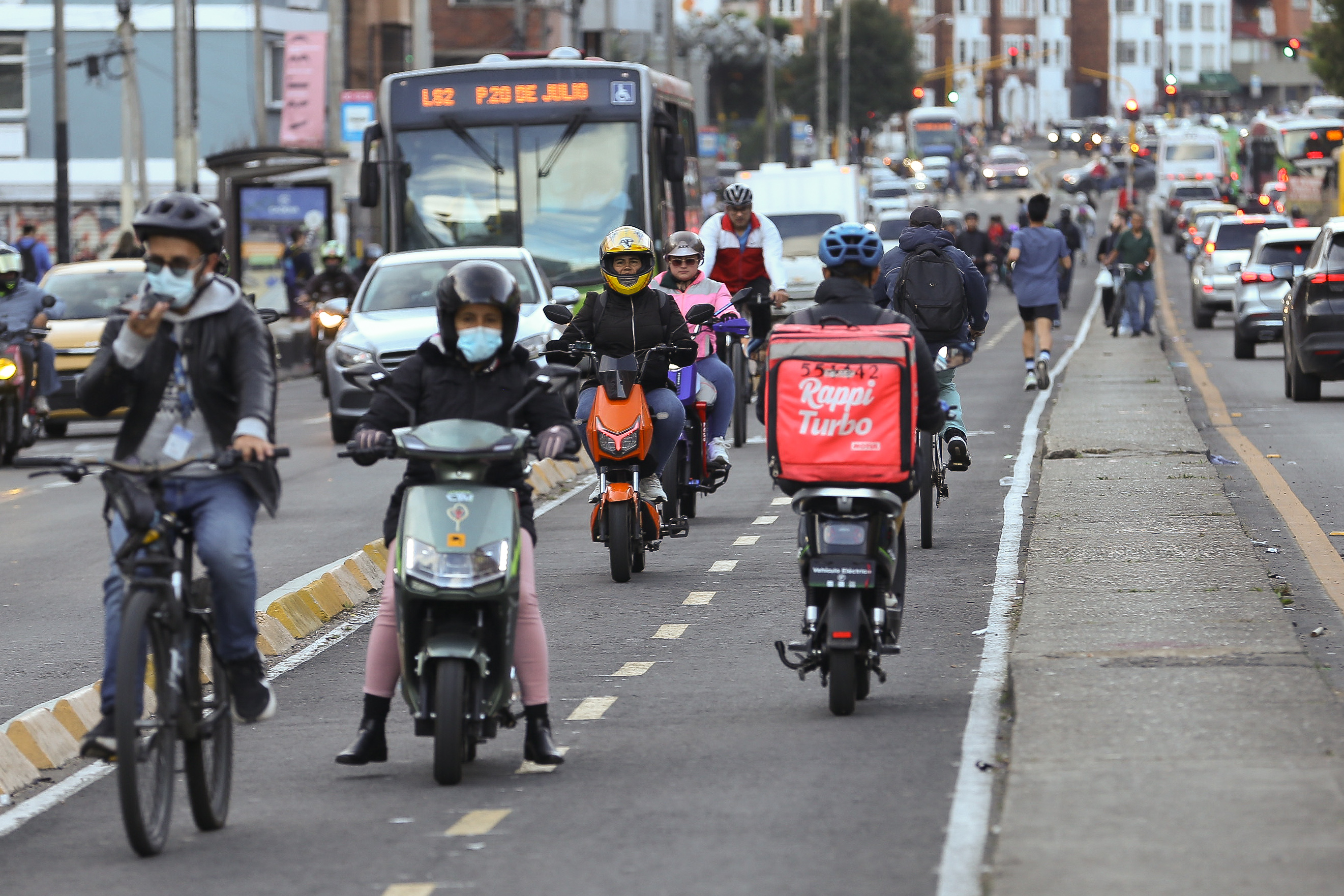
A research from the National University took TransMilenio as a starting point to recognize what are those problems that They shouldn’t go to the subway.
Through a first approximation to what users of the system think, more than 100 behaviors were identified that affect coexistence, security or infrastructure.
Around two million tickets are validated daily. Photo:Mauricio Moreno. THE TIME
Of 129 TransMilenio passengers consulted90 consider that some of these situations will also be present in the subway, which is why it is urgent to attack them from this moment, when there is still time.
Among those inappropriate behaviors that generate some type of discomfort between users or directly affect the infrastructure, order or use of space, the strains appear, the pushesthe misuse of seats, the presence of animals without a muzzle or leash, as well as those that directly affect women.
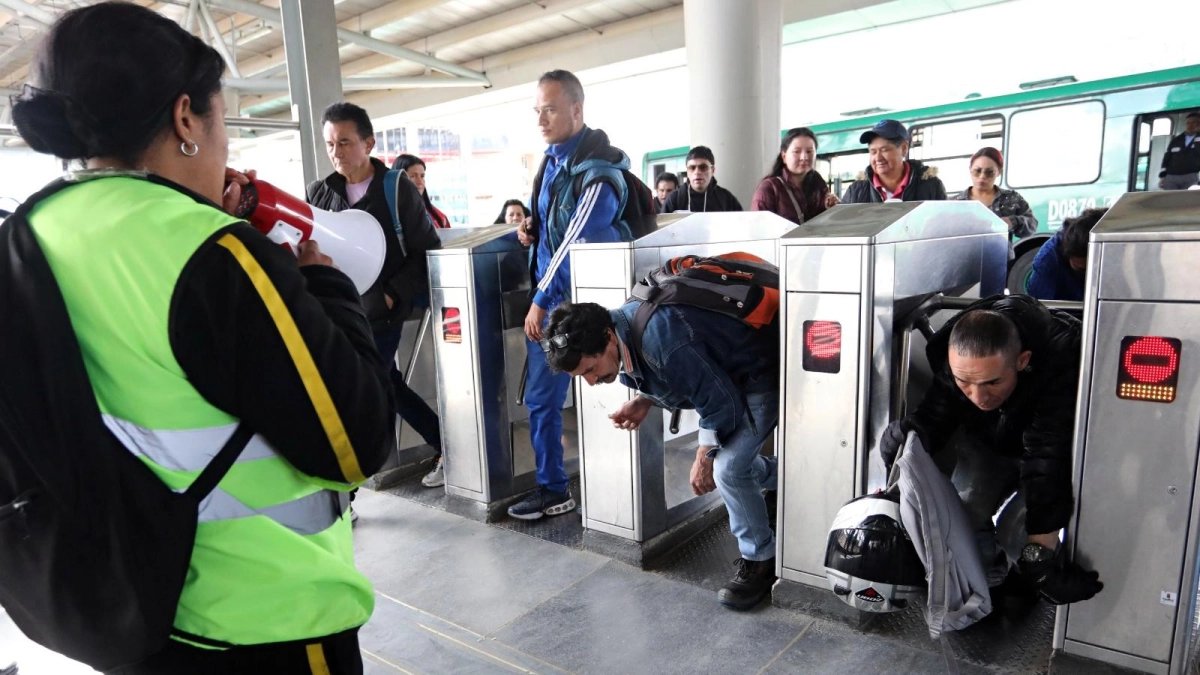
Evasion in TransMilenio reaches close to 14%. Photo:Milton Diaz / El Tiempo
“Among the most common we find behaviors that may endanger the integrity of other people who are using the system, How is the case of sexual harassment and all gender-based violence”, indicated Johana Tabordamember of the Unal Mobility and Logistics Research Hotbed.
In fact, the users consulted said that on their last trip on the Integrated Public Transportation System (SITP) of Bogotá witnessed, on average, 7.4 inappropriate behaviors.
In the first category, called evasion and fraudBogota residents pointed out that They often look stucksale of tickets on unauthorized sites and improper use of preference cards.
These are some of the cards they have seized in the last two years. Photo:TransMilenio
The second, called vandalism and security, included deliberate damage to buses and stationssuch as graffiti or breaking glass; locking doors; the unauthorized use of emergency exits, and high-risk practices such as hanging from buses or propel themselves on bicycles up slopes holding on to ropes tied to buses.
In coexistence and civic culture reported behaviors were grouped together such as informal sales in buses and stations, as well as harassment, noise and obstruction of doors that sellers generated; the consumption of food, drinks and tobacco – including vaping -, listening to music without headphones or talking loudly, as well as verbal or physical attacks between users.
The last category corresponded to the use of the infrastructure and included behaviors such as not giving up priority positionsentering the bus without first allowing other passengers to exit, remaining intoxicated or under the influence of psychoactive substances and performing obscene acts.
TransMilenio Photo:Private file
At the same time, Complaints appeared about homeless peopleespecially due to its presence in trunk areas such as Caracas. The study, however, warned that its mere presence It is not inappropriate behaviorand they are citizens with the right to use the system. “Like any other passenger, may engage in inappropriate behavior. “In fact, many users without this condition also perform similar acts that make others uncomfortable,” the report warned.
Although, regardless of gender, users reported similar behavior that made them uncomfortable, when consulting about their perception of insecurity in TransMilenio, the difference was marked depending on who you asked.
The survey in general revealed an average rating of 3.4 out of 10 points to security in the system. However, men had a higher perception of insecurity associated with factors such as theft, fights, fights or conflicts.
Police Operations in TransMilenio Photo:Mauricio Moreno / EL TIEMPO
Meanwhile, women showed a perception which, although it was on average lower, was linked to reasons such as sexual harassmentpushing or rubbing with other people, according to the researcher.
Likewise, among users also there is fear of intervening when another person facing a risky situationgiven the possibility that it ends in a fight or an attack.
“There is a global indicator of harassment of women, where Bogotá is one of the 10 cities in the world where a harassment situation does occur women don’t wait for someone to help them. The same thing happens in India,” Taborda added.
READ ALSO
In other cities around the world, said the director of the Mobility Observatory of Unal, José Stalin Rojas, strategies have been implemented to overcome behaviors such as payment evasion.
For example, in France, thanks to the Observatory of Inappropriate Behaviors, management plans were established that They allowed the crowds to be attacked at the turnstiles.
Faced with closer comparisons such as with the Medellín metro, Rojas warned that strategies cannot be copied or transfer automatically. Although both are large cities, Bogotá, as the capital of the country, concentrates a more diverse population and receives people from different regions, so the dynamics of coexistence and appropriation of public transportation are also different.
Second line of the Bogotá metro Photo:Bogotá Metro Company
Finally, on possible associations between immigration and inappropriate behaviors that were found in the studythe director of the Observatory added that This type of behavior cannot be attributed to the origin or provenance of people.
The truth is that, for now, the District I would be doing a good job preparing citizens for the arrival of the metro, but The challenge is to strengthen these strategies of coexistence in the coming months.
“We believe that the subway is making a strategy around the citizen culture that is on the right track and we hope that this happens”Rojas said.
Second line of the Bogotá metro Photo:Bogotá Metro Company
one of those betting is Bogotá Metro Modethat seeks to transform citizen culture around mobility and use the entry into operation of the first line to generate an amplifying effect on all public transport in the capital.
What you want, initially, is to generate a feeling of ownership among citizens so that there is an intention to be careful when it is time to use the buses. Furthermore, correct what happened with TransMilenio, which although in its first years was received with pride and became part of the identity of the city, with the passage of time his image deteriorated.
NICOLAS DÍAZ MALPICA
Bogotá Editorial